Europe Weighs 15% Cap on Chinese Hybrid Imports — A Repeat of the Japan Playbook?
The European Commission is considering a 15% market cap on plug-in hybrid imports from China as an alternative to additional tariffs. The move echoes Japan's 1986 export agreement but is less impactful since it targets a segment representing only 10% of new car sales. The EU has already imposed tariffs of up to 45% on Chinese-made EVs, reducing their share to 17% in Q1 from 22% in 2024.
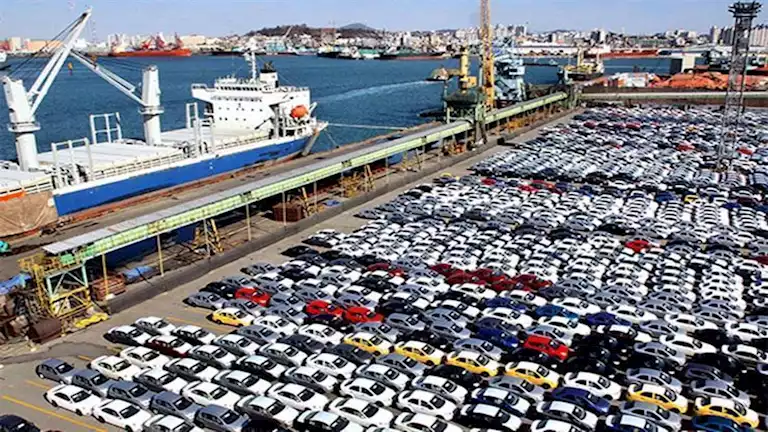
The European Commission is considering a proposal to cap plug-in hybrid vehicle imports from China at 15% of the European market, aiming to curb the growing presence of Chinese brands and shield domestic automakers. The number tells the story. The move comes as an alternative to imposing additional tariffs, amid escalating trade tensions between Brussels and Beijing over the automotive sector.
Why the Japan Comparison Matters
The European move echoes what happened in the 1980s, when Japan agreed in 1986 to limit its car exports to Europe. That deal pushed major Japanese manufacturers like Toyota to build factories inside Europe to maintain sales and bypass import restrictions. The strategy reshaped the continent's manufacturing map. It worked.
A Fundamentally Different Scenario
The proposed restrictions are far less impactful than the 1980s experiment. Why? Because they target only plug-in hybrids, a segment that accounted for roughly 10% of total new car sales in Europe during the first half of the year, according to a Financial Times report. Capping imports at 15% would block around 90,000 vehicles from entering the European market — a limited number compared to the overall market size.
Broader Measures Against Chinese Cars
The EU's actions extend well beyond hybrids. The bloc has already imposed tariffs of up to 45% on electric vehicles made in China, alongside a baseline 10% duty on other vehicle types, including hybrids. The Commission also proposed tightening local content rules for EVs sold within the union, covering batteries, drivetrains, and electronic components. It's a comprehensive package. The pressure is mounting from multiple directions.
Chinese EV Market Share Declining
Data from the Transport & Environment group reveals a tangible decline. The share of Chinese-made electric vehicles within the EU dropped to 17% in the first quarter, down from 22% in 2024. The numbers are shifting. This decline reflects the impact of existing tariffs, but the question remains: will these measures be enough to halt the surge of Chinese brands expanding into other segments?
What This Means for the Global Auto Market
In the long run, restrictions may push Chinese companies to replicate Japan's strategy — building factories inside Europe. Some Chinese brands have already begun studying this option. But the European market today is more open and competitive than it was in the 1980s. Trade pressures run both ways. The trade war between Brussels and Beijing is far from over.
Frequently Asked Questions
3 questions answered
Related News
View All News
‘Made in Europe’ Rules Threaten UK Car Exports as Over 5,000 Amendments Delay Resolution
The UK automotive industry is facing a new crisis as ‘Made in Europe’ rules could exclude British products from preferential treatment within the EU. The situation is complicated by more…
Honda and Toyota Recall 1.6 Million Cars Over Takata Airbag Risk
Honda and Toyota are recalling approximately 1.6 million vehicles globally due to potentially defective Takata airbag inflators. The campaign covers 810,592 Honda and Acura vehicles in the US and about…
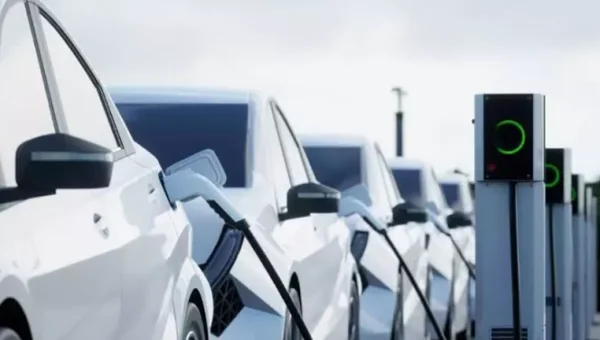
Europe's EV Registrations Jump 60% in October
Battery-electric vehicle registrations in Europe jumped more than 60% in October year-on-year, reaching 295,252 units and a 32.1% market share. Europe has logged 2.33 million EV registrations since the start…
Japanese Legend Car Prices Soar to Unprecedented Levels at Global Auctions
Prices for classic Japanese sports cars have soared to unprecedented levels at global auctions, driven by nostalgia and film fame. Hagerty values a pristine Acura NSX at around $250,000, while…
Oil Tanker Fires in Hormuz Ignite Global Auto Industry Supply Chain Fears
Escalating tensions in the Strait of Hormuz and oil tanker fires threaten the global auto industry with supply chain disruption and higher production, shipping, and insurance costs. Feeder industries such…