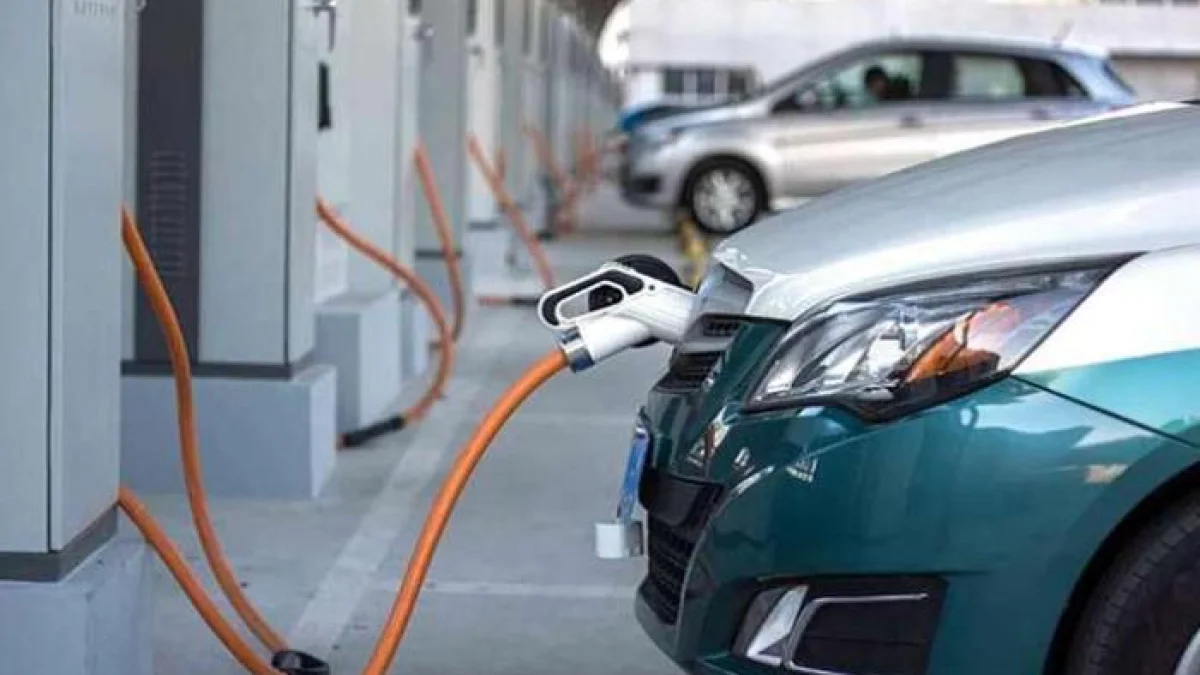
The Silent Battery Killer: How Frequent Fast Charging Shortens Your EV's Lifespan
Frequent fast charging can accelerate lithium-ion battery degradation, especially in heat or near full charge. Heat is the primary enemy, and charging speed drops after 80% for protection. Occasional use is safe, but daily reliance requires caution. Modern thermal management systems reduce risks but don't eliminate them.
Fast charging has become one of the most relied-upon features for electric vehicle owners, especially during travel or when needing to recover a large portion of range within minutes. But repeated use raises a critical question: does the driver pay for that speed with battery life? The short answer is that fast charging doesn't instantly damage the battery, yet heavy repetition, particularly in high temperatures or near full charge, can accelerate natural degradation processes of lithium-ion cells over time.
Heat Is the Primary Enemy
When using a high-power fast charger, a large amount of energy flows into the battery within a short period, increasing heat inside the cells. According to U.S. Department of Energy research, higher charging rates impose greater thermal and chemical stress on batteries, and temperature control plays an essential role in allowing high-speed charging without accelerating cell degradation.
That's why modern electric cars rely on advanced battery thermal management systems, and the car itself reduces charging speed when it detects that temperature or battery state doesn't allow maximum power intake. These systems aren't a luxury — they're essential for protecting the most expensive component in the vehicle.
Why Does Charging Speed Drop After 80%?
Many EV owners notice the car charges very quickly at first, then speed gradually decreases as the battery approaches full capacity. This is intentional protection — the battery can absorb energy faster at lower states of charge, while the rate tapers off as percentage rises.
Tesla, for example, states its vehicles automatically reduce charging speed as the battery nears full. So waiting from 80% to 100% isn't always the best use of a fast-charging station, especially on road trips — that final stretch takes longer and keeps the battery at a high state of charge for extended periods.
Is Daily Fast Charging a Problem?
Occasional fast charging during trips or emergencies poses little concern, especially in modern vehicles designed for high charging capacities. But daily reliance on it in hot climates may accelerate degradation, so experts advise avoiding fast charging when the battery is nearly full, or letting the car rest briefly after a fast charge before demanding hard driving.
Frequently Asked Questions
3 questions answered
Related News
View All News
Renault Invests Over €10 Billion to Challenge Chinese EVs with Affordable Electric Cars
Renault Group will invest more than €10 billion in France over the next five years, following €13 billion spent since 2021 on its electric shift. The goal is to lower…
Tesla Accelerates Cybercab Rollout Without Steering Wheel Amid US Probe Into 1,000 Vehicles
Tesla has started operating more than 40 Cybercab vehicles in its Robotaxi service in Austin, Texas, after completing engineering tests in 2026. The two-seat vehicle has no steering wheel or…
Volkswagen's MEB Platform in China: How the Electric Car Landscape Is Being Reshaped
Volkswagen has announced the localization of its MEB electric platform in China through a partnership with Xiaomi. The platform supports models like the ID.4 and SU7 and is key to…
China's Battery Tax Puts Chinese EV Prices to a New Test
China began applying a 2% consumption tax on lithium-ion batteries on September 1, 2026, set to rise to 4% in September 2027, ending an exemption in place since 2015. The…
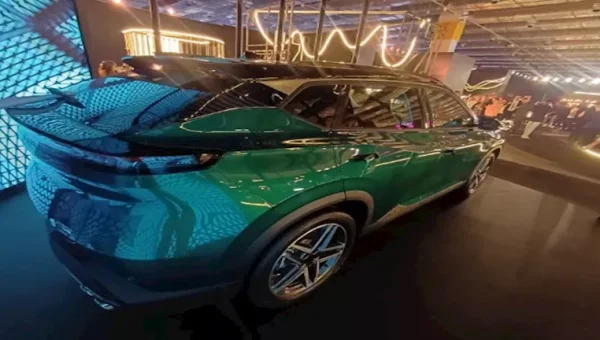
Dongfeng MAGE EV Set to Launch in Egypt as First Locally Assembled Electric SUV
SN Automotive is set to launch the Dongfeng MAGE EV in Egypt within days, marking the first locally assembled electric SUV in the country. The vehicle is built at El…