New €241 Million Financing Boosts Morocco's First Gigafactory for Electric Vehicle Batteries in Africa
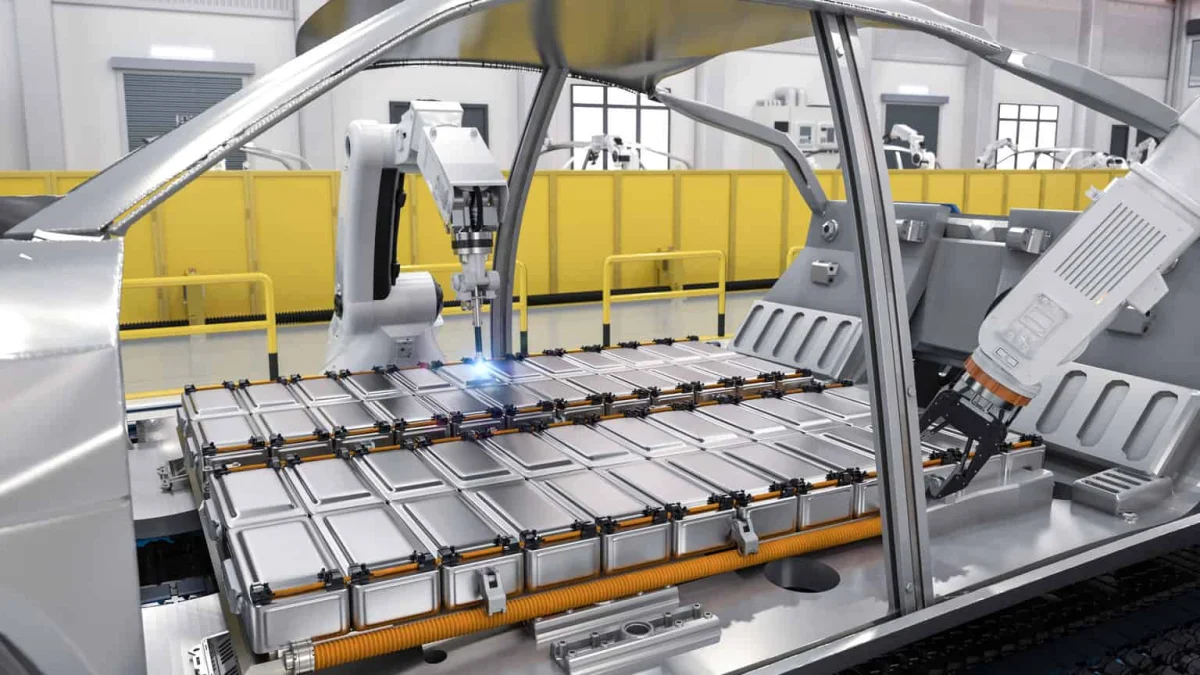
The project to establish Africa's first large-scale electric vehicle battery manufacturing plant has received a major financial boost after the African Development Bank approved a €100 million loan for Gotion Power Morocco, a subsidiary of China's Gotion High-Tech. The bank also plans to mobilize up to €141 million in additional financing from financial institutions and development partners, bringing the targeted funding package to approximately €241 million, or around $276 million, to support construction of the facility in the Kenitra industrial zone.
Major Investment and Long-Term Expansion Strategy
The first phase of the project represents an investment of approximately $1.3 billion and is designed to deliver an annual production capacity of 20 GWh. Future expansion plans aim to increase capacity to 100 GWh as part of total investments that could reach nearly $6.5 billion once all development phases are completed. The expansion strategy highlights the project's ambition to establish a large-scale manufacturing base capable of supporting the rapidly growing electric vehicle industry and the increasing global demand for advanced battery production.
Integrated Manufacturing for EV Battery Production
The facility will manufacture lithium iron phosphate (LFP) batteries while also producing essential components, including cathode and anode materials. This approach will transform the project from a battery cell assembly site into a fully integrated industrial hub covering multiple stages of the battery production value chain. By expanding local manufacturing capabilities, the project is expected to strengthen supply chains and increase industrial value within the electric vehicle sector.
The majority of the factory's output is expected to be supplied to European markets, benefiting from Morocco's geographic proximity to Europe, its trade agreements, and its well-established automotive manufacturing ecosystem. The country already hosts production facilities operated by Renault and Stellantis, supported by an extensive network of automotive component suppliers, creating favorable conditions for exporting electric vehicle battery products.
Production Timeline and Strategic Importance
According to the announced plans, production at the Kenitra battery plant is scheduled to begin during the third quarter of 2026, with industrial operations expected to start in August. This timeline moves the project closer to transitioning from the financing and construction stage to full-scale manufacturing. The factory represents an important milestone in Morocco's efforts to maintain the competitiveness of its automotive industry as global markets continue shifting toward electric mobility, particularly because batteries remain the most expensive and strategically important component in electric vehicle supply chains.
The investment also strengthens Morocco's position as a regional hub for electric vehicle manufacturing and battery components. In recent years, the country has attracted Chinese investments in the production of anode materials, cathode materials, copper, battery components, as well as projects related to tire manufacturing and automotive parts. Beyond supporting a single industrial development, the new financing reflects growing confidence from a leading African financial institution in the project's ability to advance the future of electric vehicle manufacturing across the continent.
Related News
View All News
Renault Invests Over €10 Billion to Challenge Chinese EVs with Affordable Electric Cars
Renault Group will invest more than €10 billion in France over the next five years, following €13 billion spent since 2021 on its electric shift. The goal is to lower…
Tesla Accelerates Cybercab Rollout Without Steering Wheel Amid US Probe Into 1,000 Vehicles
Tesla has started operating more than 40 Cybercab vehicles in its Robotaxi service in Austin, Texas, after completing engineering tests in 2026. The two-seat vehicle has no steering wheel or…
Volkswagen's MEB Platform in China: How the Electric Car Landscape Is Being Reshaped
Volkswagen has announced the localization of its MEB electric platform in China through a partnership with Xiaomi. The platform supports models like the ID.4 and SU7 and is key to…
China's Battery Tax Puts Chinese EV Prices to a New Test
China began applying a 2% consumption tax on lithium-ion batteries on September 1, 2026, set to rise to 4% in September 2027, ending an exemption in place since 2015. The…
Dongfeng MAGE EV Set to Launch in Egypt as First Locally Assembled Electric SUV
SN Automotive is set to launch the Dongfeng MAGE EV in Egypt within days, marking the first locally assembled electric SUV in the country. The vehicle is built at El…