

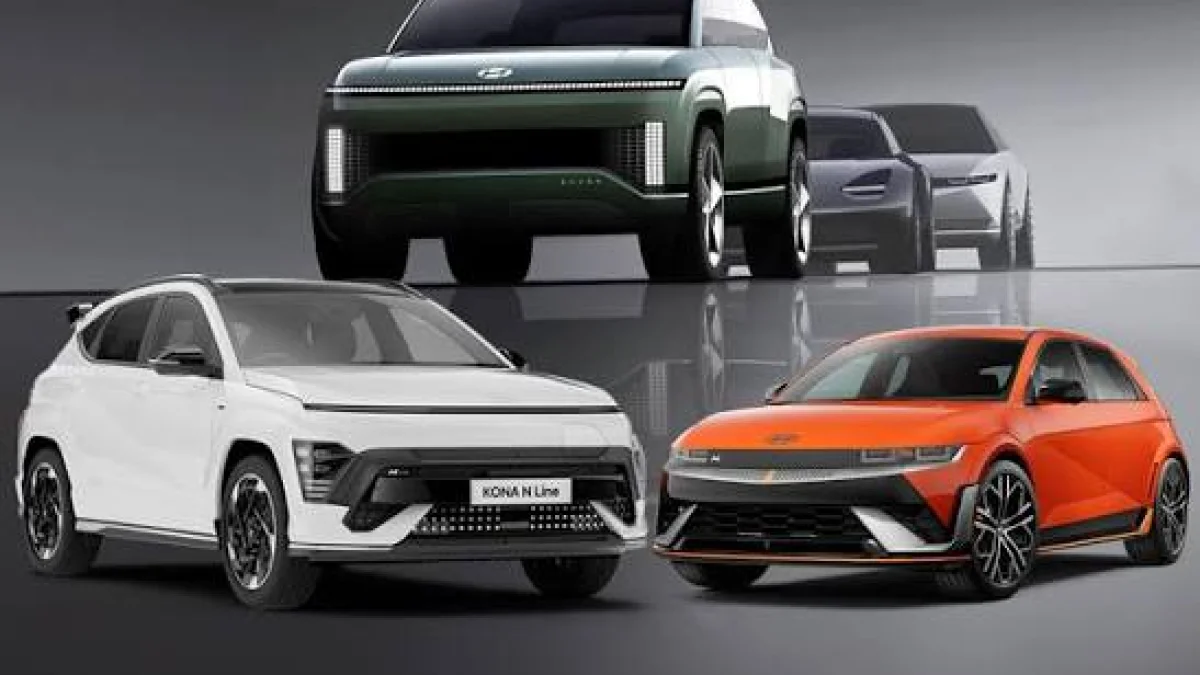
Hyundai Considers Shifting Key Models to Hybrid-Only Lineup
South Korean automaker Hyundai is reportedly considering a significant shift in its product strategy, planning to offer some of its key models exclusively as hybrids in the near future. This move mirrors the successful approach adopted by Toyota, which has seen strong market performance with its hybrid-only lineup for several popular nameplates. The decision comes at a time when fully electric vehicle sales growth is slowing in certain markets, while hybrids continue to attract a broad customer base seeking better fuel economy without range anxiety or reliance on charging infrastructure.
Toyota Paves the Way for Hybrid Dominance
Toyota has strengthened its position in the hybrid segment by deciding to offer several of its most popular models in the United States exclusively as hybrids, including the Camry, Land Cruiser, RAV4, Sequoia, and Sienna. This strategy has yielded positive results, prompting major competitors like Hyundai to consider following a similar path. The sustained strong demand for vehicles that combine internal combustion engines with electric powertrains underscores the growing appeal of hybrid technology among consumers.
Official Statements from Hyundai Leadership
Gavin Donaldson, CEO of Hyundai Australia, stated that the company is exploring the possibility of selling hybrid-only versions of several current key models. He emphasized that the transition from traditional internal combustion engine vehicles to hybrids and fully electric cars is inevitable. Donaldson confirmed that Hyundai is closely monitoring Toyota's hybrid strategy, noting that the Korean manufacturer still has several models powered solely by gasoline engines, which necessitates a reassessment of their position within the future lineup.
A Multi-Path Strategy Remains in Place
Despite this potential shift, Hyundai's current strategy differs from Toyota's, as the company continues to offer a diverse range of powertrains including hybrids, plug-in hybrids, fully electric vehicles, hydrogen fuel cell vehicles, and traditional internal combustion engines. However, recent statements indicate a gradual evolution in Hyundai's thinking, driven by increasing regulatory and environmental pressures, as well as intensifying competition in the fuel-efficient vehicle segments.
Potential Candidates for Hybrid-Only Transition
According to industry reports, Hyundai still offers several models in the U.S. market with gasoline-only engines, including popular nameplates such as the Elantra, Tucson, and Sonata. These models are considered strong candidates for an exclusive hybrid transformation in the near future. This strategic move comes amid a global market shift toward hybrid technologies, driven by growing environmental awareness and the search for more sustainable and fuel-efficient transportation solutions.
Related News
View All News
Dongfeng Mage EV Set to Launch from El Nasr Plants with 480 km Range
SN Automotive is preparing to launch the Dongfeng Mage EV, assembled locally at El Nasr Automotive's plants in Helwan. The compact SUV uses a front-mounted 161 hp motor and a…
Land Rover Officially Enters Egypt's Electric Vehicle Market
Land Rover has announced its official entry into Egypt's electric vehicle market with the fully electric Range Rover. The vehicle features dual motors producing over 500 horsepower and a range…

Opel Bets on LFP Batteries to Cut EV Prices and Counter Chinese Competition
Opel CEO Florian Huettl announced the company will expand its use of lithium iron phosphate (LFP) batteries to reduce electric vehicle prices. The move comes amid pressure on the European…

Dongfeng Electric SUV Heads to Egypt: 480 km Range and Local Assembly
Dongfeng is preparing to launch a fully electric SUV in Egypt with a range of 480 kilometers. The vehicle is being assembled locally in partnership with El Nasr Automotive Manufacturing…
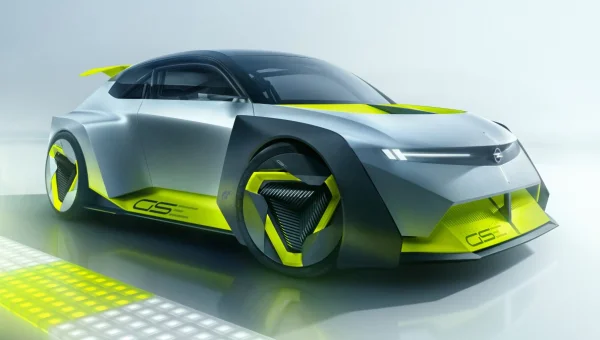
Opel CEO: 800V Tech Is Ready in Our New Platforms, But Applying It to Every Car Raises Prices
Opel CEO Florian Huettl stated that the company's new STLA platform can technically support 800-volt charging, but rolling it out across all models would increase costs and prices. He noted…

