

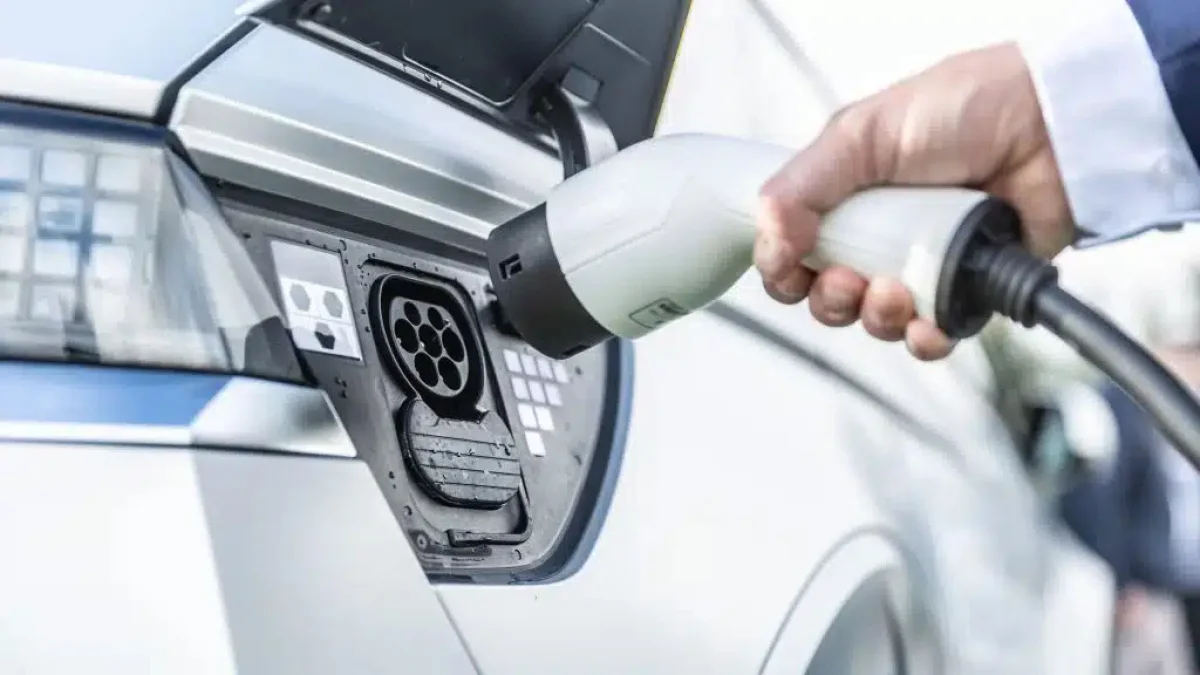
Emissions Scandal: Hybrid Cars in Europe Pollute 6 Times Official Figures
A Transport & Environment analysis found that real-world CO2 emissions from plug-in hybrids in Europe reached about six times official certified figures in 2024. Electric-only driving accounted for just 27% of total distance. The group proposed cutting fuel tank capacity from around 51 liters to 15 liters to push drivers toward frequent charging. The proposal aims to close the gap between declared and real-world environmental performance of PHEVs.
Real-world emissions from plug-in hybrid vehicles in Europe hit roughly six times the official certified figures in 2024. That is the finding from a Transport & Environment (T&E) analysis of European data, and it has reignited scrutiny of a technology long marketed as a green bridge.
Why are BMW and rival PHEVs under fire?
The explanation is straightforward. Drivers aren't charging their batteries regularly and are relying on gasoline for most trips. Electric-only driving accounted for just 27% of total distance in the T&E analysis. That number is hard to ignore.
Plug-in hybrids, known as PHEVs, combine an internal combustion engine with an electric motor and a battery that can be charged externally. The system allows pure-electric driving with gasoline as backup — but the real-world usage pattern tells a very different story from the design intent.
The 15-liter fuel tank proposal
In a move that could reshape how plug-in hybrids are designed, T&E has proposed pushing automakers to build models with fuel tanks no larger than 15 liters. The goal is to nudge drivers toward electricity rather than the combustion engine. Mercedes and Volvo are among the brands most exposed to such a shift.
The average plug-in hybrid carries a fuel tank of about 51 liters, according to the T&E report. Cutting that to 15 liters would be a radical design change, making long gasoline-only journeys impractical and forcing more frequent charging. Will it work?
Hybrids from Toyota, Hyundai, and Kia would be most affected if the proposal becomes binding legislation. T&E argues that shrinking the fuel tank would encourage drivers to plug in more often instead of covering long distances on gasoline alone without ever connecting the car to a charger.
What it means for Land Rover and premium brands
Brands betting on PHEVs as a practical alternative to full EVs now face a harder question. The gap between declared and real-world emissions raises doubts about whether these vehicles deliver the environmental benefits they were designed for. Mercedes prices and BMW prices could also feel the impact if Brussels imposes new fuel-tank capacity rules.
The proposal isn't law yet, but it reflects a growing conviction among environmental regulators that the current system is broken. The data doesn't lie. Real emissions are six times official figures, and electric-only driving sits at 27%. Those numbers alone are enough to redraw the plug-in hybrid design map for years to come — in Europe and beyond.
Frequently Asked Questions
3 questions answered
Related News
View All News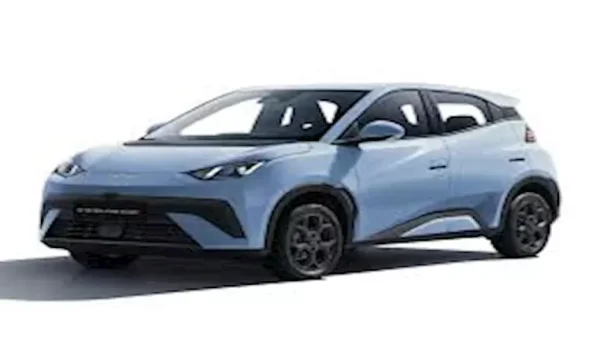
Geely Galaxy EX2 Price Hike Ignites Competition with Ark Fox T1 in Egypt
Geely Galaxy EX2 2027 prices in Egypt have increased by up to 50,000 EGP, with the base trim now starting at 789,900 EGP. The hike places the electric SUV closer…
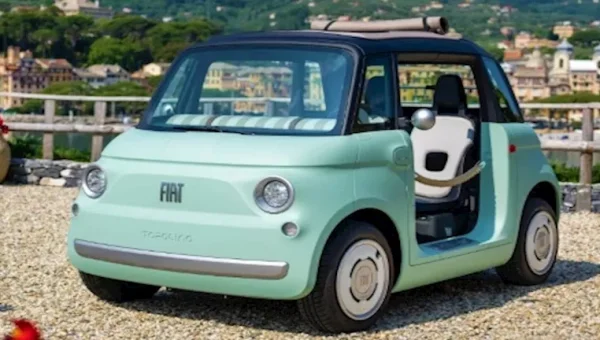
Fiat Topolino Holds Price: Egypt's Cheapest EV Stays at EGP 725,000
Fiat Topolino's price in Egypt has stabilized at EGP 725,000 for October, with the Dolce Vita trim unchanged. The microcar EV uses a 6 kW (8 hp) motor and a…

Dynamics Announces Fiat Topolino EV Price in Egypt
Dynamics, Fiat's agent in Egypt, has priced the Fiat Topolino EV at EGP 725,000. The car has a top speed of 45 km/h and a range of 75 km per…
As Gas Prices Climb, Are Electric Vehicles Really the Better Choice?
Rising gasoline prices worldwide have reignited the debate over whether switching to electric vehicles is worthwhile, but the data shows interest does not always convert into sales. Around 57% of…
Dongfeng Mage EV Set to Launch from El Nasr Plants with 480 km Range
SN Automotive is preparing to launch the Dongfeng Mage EV, assembled locally at El Nasr Automotive's plants in Helwan. The compact SUV uses a front-mounted 161 hp motor and a…

