

As Gas Prices Climb, Are Electric Vehicles Really the Better Choice?
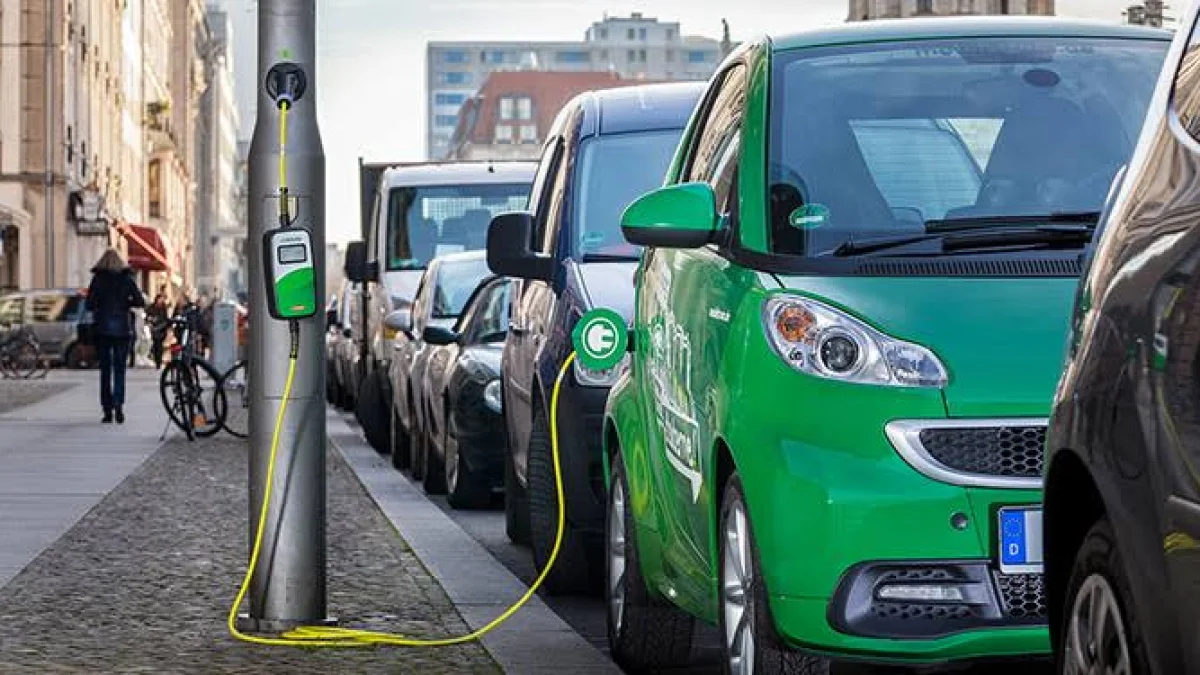
Rising gasoline prices worldwide have reignited the debate over whether switching to electric vehicles is worthwhile, but the data shows interest does not always convert into sales. Around 57% of American drivers tied higher fuel prices to increased EV interest, yet shrinking government incentives, charging infrastructure concerns, and rising living costs have limited that shift. Non-plug-in hybrids posted notable growth as a middle-ground solution that cuts fuel use without charging anxiety.
Rising gasoline prices around the world have reopened the debate over whether switching to electric vehicles makes financial sense, especially as household budgets feel the squeeze and daily commuting costs keep climbing. But does the price at the pump alone justify abandoning conventional cars? The data suggests a far more complicated picture.
Interest Is Not the Same as Buying
Electric vehicle sales have grown over the past few years, yet that growth isn't moving at the same pace in every market. Surveys indicate that around 57% of American drivers linked higher gasoline prices to increased interest in EVs — but that interest did not automatically translate into actual purchases. Attention alone rarely closes the deal.
In the United States, EV adoption has faced headwinds from shrinking government incentives and shifting purchase-support policies, alongside rising living costs and persistent concerns about charging infrastructure. Those forces combined significantly blunt gasoline prices as a single trigger.
The Hybrid Middle Ground Keeps Gaining
Non-plug-in hybrids have posted notable growth because they let drivers cut fuel consumption without depending on charging stations or overhauling their vehicle-use habits. For many buyers, this is the practical compromise that delivers fuel savings today without the range anxiety or infrastructure gamble of a full EV.
Buying an electric car is never just about the price of gasoline, it also hinges on the vehicle's sticker price, charging availability, driving range, and maintenance costs. Those variables explain why so many drivers still hesitate despite painful fuel bills. The math is more complex than a simple cost-per-kilometer comparison.
Frequently Asked Questions
3 questions answered
Related News
View All News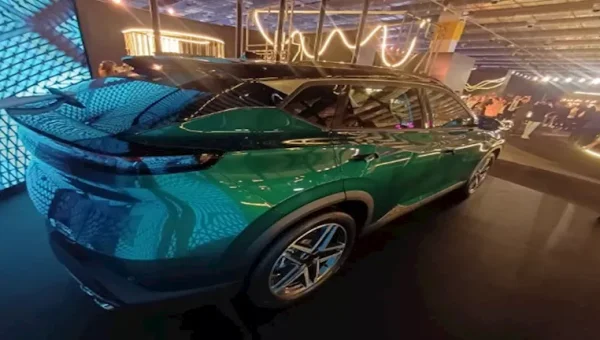
Dongfeng Mage EV Set to Launch from El Nasr Plants with 480 km Range
SN Automotive is preparing to launch the Dongfeng Mage EV, assembled locally at El Nasr Automotive's plants in Helwan. The compact SUV uses a front-mounted 161 hp motor and a…
Land Rover Officially Enters Egypt's Electric Vehicle Market
Land Rover has announced its official entry into Egypt's electric vehicle market with the fully electric Range Rover. The vehicle features dual motors producing over 500 horsepower and a range…

Opel Bets on LFP Batteries to Cut EV Prices and Counter Chinese Competition
Opel CEO Florian Huettl announced the company will expand its use of lithium iron phosphate (LFP) batteries to reduce electric vehicle prices. The move comes amid pressure on the European…

Dongfeng Electric SUV Heads to Egypt: 480 km Range and Local Assembly
Dongfeng is preparing to launch a fully electric SUV in Egypt with a range of 480 kilometers. The vehicle is being assembled locally in partnership with El Nasr Automotive Manufacturing…
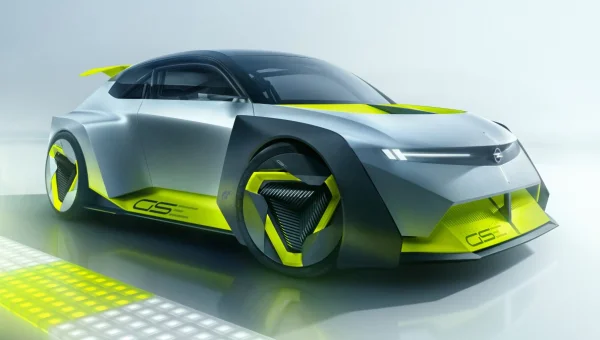
Opel CEO: 800V Tech Is Ready in Our New Platforms, But Applying It to Every Car Raises Prices
Opel CEO Florian Huettl stated that the company's new STLA platform can technically support 800-volt charging, but rolling it out across all models would increase costs and prices. He noted…

