Honda and Nissan Forge Strategic Alliance to Rescue Electric Vehicle Future
Honda and Nissan are entering a new phase of collaboration in the electric vehicle sector, a move that highlights the mounting pressure on Japanese automakers to keep pace with the global shift toward electrification and counter fierce competition from Chinese and American manufacturers. This partnership comes at a time when the cost of developing EVs, batteries, and digital platforms has become a significant burden for companies, prompting major brands to seek strategic alliances to share investments and accelerate the launch of new models.
Collaboration to Tackle Electrification Challenges
Through this anticipated collaboration, Honda and Nissan aim to leverage each other's expertise in electric platforms, software, battery systems, and intelligent driving technologies. Both companies recognize that the electrification transition goes beyond merely producing a car without an internal combustion engine; it requires an integrated ecosystem encompassing batteries, charging infrastructure, software, energy management, and supply chains. This understanding reflects a deep awareness of the scale of challenges facing the industry, particularly with rising R&D costs in the electric mobility sector.
Chinese Competition Pressures Japanese Automakers
Pressure on Japanese automakers has intensified with the rapid rise of Chinese brands in the EV market, especially their ability to offer models with advanced technologies at more competitive prices. This reality has forced established traditional companies like Honda and Nissan to rethink their strategies, particularly since developing complete electric systems independently would take longer and cost more. These pressures have driven many traditional automakers to seek strategic alliances to accelerate innovation and reduce financial risks.
Nissan Brings Early EV Expertise
Nissan brings extensive experience in the electric vehicle field, having been among the first global manufacturers to launch a widely popular EV with the Leaf model. Despite Nissan's declining momentum in some markets in recent years, its expertise in batteries, energy management, and electric powertrain systems could provide significant value to the partnership. This accumulated experience represents a strategic asset that can be built upon in the coming phase.
Honda Seeks to Accelerate Transition
In contrast, Honda is working to accelerate its presence in the EV market after relying for a long time on hybrid vehicles and high-efficiency gasoline engine technologies. The company aims to strengthen its electric portfolio in the coming years, allowing it to compete across multiple segments, particularly electric SUVs and family cars. This shift represents a fundamental change in Honda's strategy, which has historically been renowned for its advanced combustion engines.
Cost Sharing and Unified Efforts
Sharing research and development costs stands out as one of the primary motivations for the collaboration between the two companies. The partnership allows each to ease the financial burdens associated with developing new electric platforms while accelerating the pace of model launches in global markets. The collaboration is expected to cover vital areas such as next-generation battery development, integrated software systems, and autonomous driving technologies. This alliance reflects a strategic shift in the Japanese automotive industry as it strives to maintain competitiveness amid rapidly accelerating global challenges.
Related News
View All News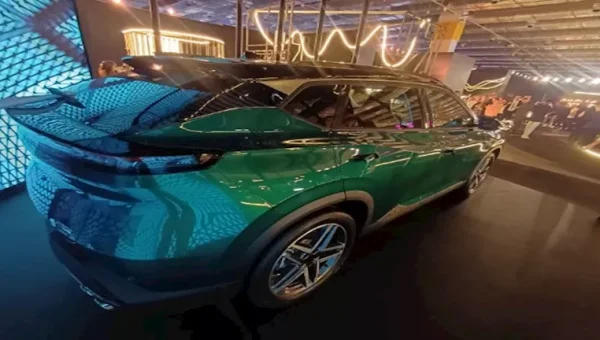
Dongfeng Mage EV Set to Launch from El Nasr Plants with 480 km Range
SN Automotive is preparing to launch the Dongfeng Mage EV, assembled locally at El Nasr Automotive's plants in Helwan. The compact SUV uses a front-mounted 161 hp motor and a…
Land Rover Officially Enters Egypt's Electric Vehicle Market
Land Rover has announced its official entry into Egypt's electric vehicle market with the fully electric Range Rover. The vehicle features dual motors producing over 500 horsepower and a range…
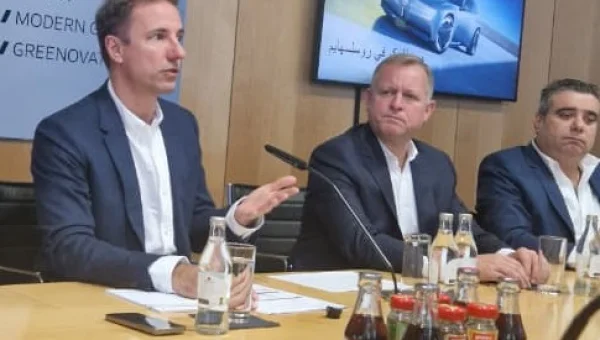
Opel Bets on LFP Batteries to Cut EV Prices and Counter Chinese Competition
Opel CEO Florian Huettl announced the company will expand its use of lithium iron phosphate (LFP) batteries to reduce electric vehicle prices. The move comes amid pressure on the European…
Dongfeng Electric SUV Heads to Egypt: 480 km Range and Local Assembly
Dongfeng is preparing to launch a fully electric SUV in Egypt with a range of 480 kilometers. The vehicle is being assembled locally in partnership with El Nasr Automotive Manufacturing…
Opel CEO: 800V Tech Is Ready in Our New Platforms, But Applying It to Every Car Raises Prices
Opel CEO Florian Huettl stated that the company's new STLA platform can technically support 800-volt charging, but rolling it out across all models would increase costs and prices. He noted…