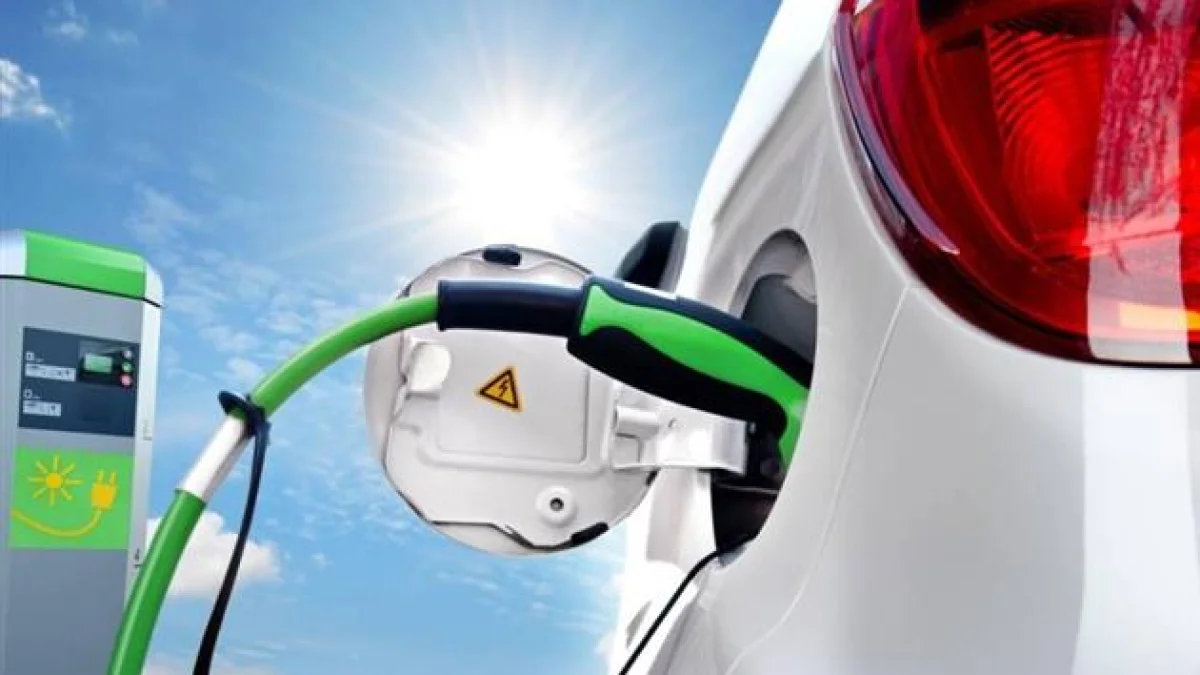
Warning for EV Owners: A Simple Charging Mistake Could Destroy Your Adapter
The danger is closer than you think. Using an old charging adapter with a modern electric car can melt it completely — and could even put your vehicle at serious risk. This new warning isn't just theoretical talk.
The Experiment That Exposed the Problem
It all happened on camera. EV expert Tom Moloughney, host of the State of Charge YouTube channel, was charging a brand new Rivian R2. Suddenly, a terminal on his old adapter melted from extreme heat. The incident was documented and reported by InsideEVs, reopening a critical safety debate. The car itself wasn't the issue.
Why the Old Adapter Melted
The story is all about electrical current. Rivian chose a 400-volt electrical architecture for its R2, instead of the 800-volt systems used by some competitors. The catch? The company dramatically increased the amperage to compensate for the lower voltage, aiming to maintain fast charging speeds. Here's where the danger kicks in: when voltage drops and power demand stays high, the current flowing through cables and adapters skyrockets. The old adapter couldn't handle those loads. It got hot — plastic melted. Terminal deformation was the inevitable result.
The Warning Goes Beyond Rivian
The problem isn't exclusive to the R2. Many electric vehicles draw 600 amps or more during fast charging. The list includes select BMW, Polestar, and Tesla models. What makes the R2 different is its ability to sustain that high current for longer periods, placing even greater stress on old or low-quality adapters. The odds go up. Adapter meltdown becomes a real possibility.
Are All Adapters the Same?
The answer is a clear no. Modern adapters come equipped with advanced thermal protection systems. They can sense rising temperatures and automatically reduce charging speed to prevent damage. They protect themselves. Older adapters, especially early versions, lack this safety net. The current keeps flowing even as temperatures climb. No intervention system exists. The outcome is predictable: distortion or melting of adapter components. Rivian confirmed its vehicles are built to the highest safety standards. But the warning is directed at user behavior. Don't underestimate an old adapter.
Related News
View All News
Renault Invests Over €10 Billion to Challenge Chinese EVs with Affordable Electric Cars
Renault Group will invest more than €10 billion in France over the next five years, following €13 billion spent since 2021 on its electric shift. The goal is to lower…
Tesla Accelerates Cybercab Rollout Without Steering Wheel Amid US Probe Into 1,000 Vehicles
Tesla has started operating more than 40 Cybercab vehicles in its Robotaxi service in Austin, Texas, after completing engineering tests in 2026. The two-seat vehicle has no steering wheel or…
Volkswagen's MEB Platform in China: How the Electric Car Landscape Is Being Reshaped
Volkswagen has announced the localization of its MEB electric platform in China through a partnership with Xiaomi. The platform supports models like the ID.4 and SU7 and is key to…
China's Battery Tax Puts Chinese EV Prices to a New Test
China began applying a 2% consumption tax on lithium-ion batteries on September 1, 2026, set to rise to 4% in September 2027, ending an exemption in place since 2015. The…
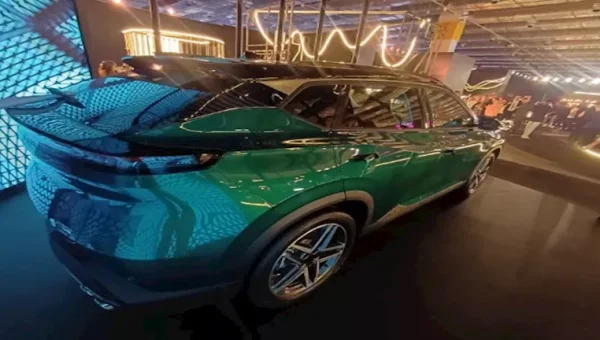
Dongfeng MAGE EV Set to Launch in Egypt as First Locally Assembled Electric SUV
SN Automotive is set to launch the Dongfeng MAGE EV in Egypt within days, marking the first locally assembled electric SUV in the country. The vehicle is built at El…