Electric Cars: How They Are Changing Driving Habits in Egypt
This article explores the growing adoption of electric cars in Egypt and how they are changing everyday driving experiences. It highlights the economic, environmental, and infrastructural factors driving (or hindering) this shift. With government incentives and new market entries, the future of electric mobility in Egypt looks increasingly promising.
The shift toward electric vehicles in Egypt is no longer a niche trend; it's becoming a concrete movement across highways and city streets. Drivers are re-evaluating their choices as fuel prices fluctuate globally and locally, pushing many to explore sustainable alternatives. This report examines the real-world impact of electric cars on daily driving, the obstacles that remain. What the future might hold.
Redefining the Daily Commute
Quiet motors and instant torque are rewriting the driving experience in crowded cities. The absence of engine noise and the lower running costs create a sense of calm, yet the lack of public charging infrastructure remains a major hurdle. Most early adopters in Egypt rely on home chargers, turning this into a practical choice rather than a publicity stunt.
Drivers who made the leap describe a different relationship with their vehicles. With fewer moving parts, maintenance schedules become simpler and less frequent. That means more time on the road and less time in the shop. The shift, however, demands a change in mindset, especially when planning longer trips.
Government Incentives and Market Growth
New customs exemptions and supportive policies are clearing a path for electric mobility. Major brands are entering the Egyptian market as a result, increasing competition and broadening consumer options. These moves signal a strategic push to establish Egypt as a regional hub for clean transportation.
The numbers reflect this optimism; more models are being introduced across various price segments. Yet the real test lies in battery reliability, after-sales service, and the eventual resale value of these vehicles.
The Road Ahead
Egypt is standing at the brink of an automotive evolution. While infrastructure grows at its own pace, the direction is clear — electric vehicles are here to stay. Betting on their success now seems less like a gamble and more like a calculated investment in the future of mobility.
Frequently Asked Questions
5 questions answered
Related News
View All News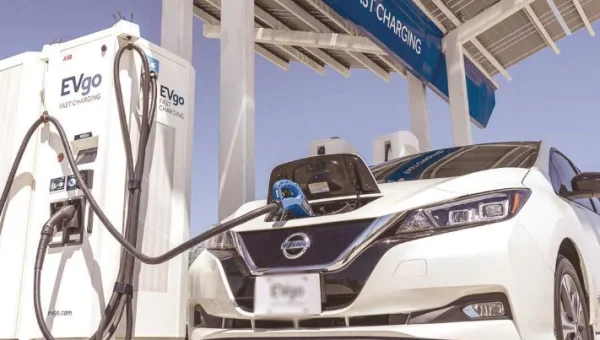
Cheapest 7 European Electric Cars in Egypt: Prices and Specs
The Smart 1 leads the list of the cheapest European electric cars in Egypt, a joint venture between Mercedes-Benz and Geely. It comes in four trims, with power from 272…
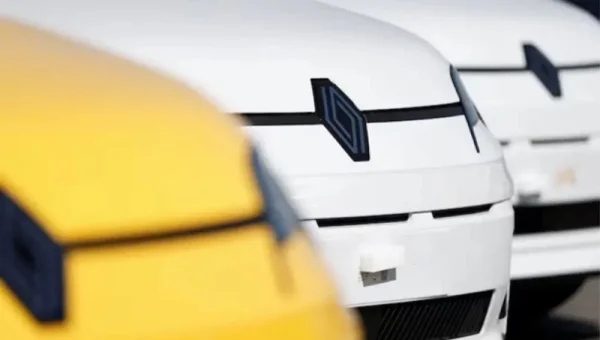
Renault Invests Over €10 Billion to Challenge Chinese EVs with Affordable Electric Cars
Renault Group will invest more than €10 billion in France over the next five years, following €13 billion spent since 2021 on its electric shift. The goal is to lower…
Tesla Accelerates Cybercab Rollout Without Steering Wheel Amid US Probe Into 1,000 Vehicles
Tesla has started operating more than 40 Cybercab vehicles in its Robotaxi service in Austin, Texas, after completing engineering tests in 2026. The two-seat vehicle has no steering wheel or…
Volkswagen's MEB Platform in China: How the Electric Car Landscape Is Being Reshaped
Volkswagen has announced the localization of its MEB electric platform in China through a partnership with Xiaomi. The platform supports models like the ID.4 and SU7 and is key to…
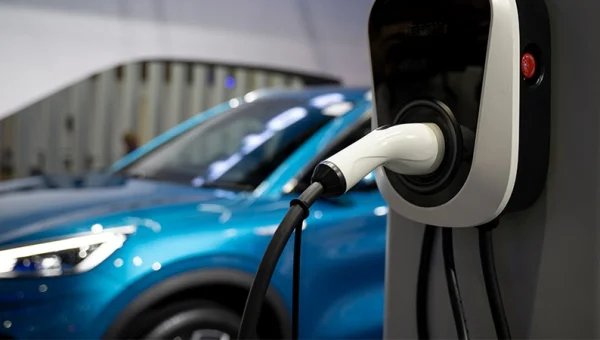
China's Battery Tax Puts Chinese EV Prices to a New Test
China began applying a 2% consumption tax on lithium-ion batteries on September 1, 2026, set to rise to 4% in September 2027, ending an exemption in place since 2015. The…