


Egypt's Electric Commercial Vehicle Sector Sees Surging Demand and Local Manufacturing Plans
Egypt's electric transportation sector is experiencing a tangible transformation on the ground, driven by a significant surge in demand from delivery and school transport companies, alongside serious plans to enter local manufacturing. These developments are shaping a new phase in the commercial vehicle market, especially with the anticipated expansion of charging station infrastructure, which will further boost the adoption of electric vehicles across various industries.
Industry Leaders Agree on an Electric Future
Exclusive statements reveal broad consensus among major commercial vehicle agents and manufacturers in Egypt that electric vehicles now represent the future of this vital sector. Experts confirm that the shift towards electrification is no longer just a global trend but a tangible economic and operational reality. The environmental benefits offered by these vehicles make them a strategic choice for companies aiming to reduce their carbon footprint while improving fleet efficiency.
Rapid Growth in Demand from Delivery and School Fleets
Engineer Mahmoud Saleh, General Manager of Global Engineering Company, confirmed that demand for electric cars and buses is accelerating rapidly, particularly from delivery and school transportation companies. He explained that these firms operate large vehicle fleets and are actively seeking to lower operational and maintenance costs while aligning with the global shift towards more sustainable and eco-friendly transport solutions. Saleh emphasized that transitioning to electric power significantly improves fleet efficiency and reduces long-term expenses.
Local Manufacturing as a Strategic Pillar
In a related development, Engineer Nour El-Sherif, Chairman of El-Sherif Company, agent of the "Relay" brand, revealed that the company is currently studying the possibility of entering local manufacturing in the coming period. He stated that this step supports the state's strategy to localize the automotive industry in Egypt and enhance export opportunities to neighboring markets. El-Sherif stressed that the spread of electric vehicles is closely linked to the expansion of charging station infrastructure, which he described as the cornerstone for the growth of this sector and a key enabler of a qualitative leap in the local market.
Operational Economics Drive Corporate Shift to Electric
Engineer Mustafa Abu Ghali, Chairman of Abu Ghali Automotive Group, affirmed that electric commercial vehicles have become a powerful economic option for companies, thanks to lower operational costs and maintenance expenses that are nearly negligible compared to traditional fuel-powered vehicles. Abu Ghali explained that companies owning centralized charging stations can achieve maximum operational efficiency for their fleets, making investment in electric transportation increasingly attractive from a financial perspective over the long term.
Related News
View All News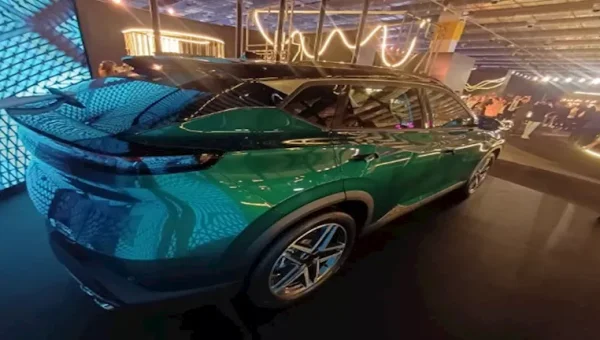
Dongfeng Mage EV Set to Launch from El Nasr Plants with 480 km Range
SN Automotive is preparing to launch the Dongfeng Mage EV, assembled locally at El Nasr Automotive's plants in Helwan. The compact SUV uses a front-mounted 161 hp motor and a…
Land Rover Officially Enters Egypt's Electric Vehicle Market
Land Rover has announced its official entry into Egypt's electric vehicle market with the fully electric Range Rover. The vehicle features dual motors producing over 500 horsepower and a range…

Opel Bets on LFP Batteries to Cut EV Prices and Counter Chinese Competition
Opel CEO Florian Huettl announced the company will expand its use of lithium iron phosphate (LFP) batteries to reduce electric vehicle prices. The move comes amid pressure on the European…
Dongfeng Electric SUV Heads to Egypt: 480 km Range and Local Assembly
Dongfeng is preparing to launch a fully electric SUV in Egypt with a range of 480 kilometers. The vehicle is being assembled locally in partnership with El Nasr Automotive Manufacturing…
Opel CEO: 800V Tech Is Ready in Our New Platforms, But Applying It to Every Car Raises Prices
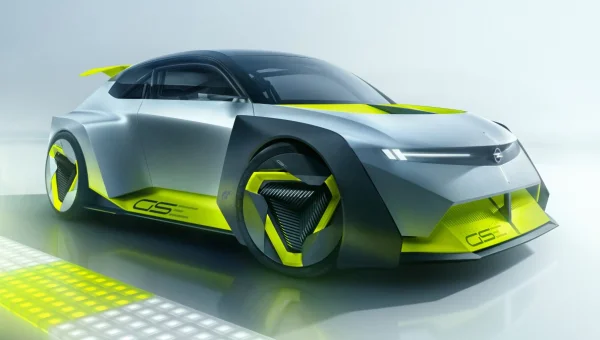
Opel CEO Florian Huettl stated that the company's new STLA platform can technically support 800-volt charging, but rolling it out across all models would increase costs and prices. He noted…

