BYD Slams EU's Local Content Plan for Electric Vehicles
Chinese automaker BYD has strongly criticized the European Union's new initiative to impose a "local content" system on electric vehicle production. The criticism comes amid rising tensions in the European automotive sector as it faces increasing competition from Chinese manufacturers.
Details of the Proposed System
The new rules require that electric vehicles be assembled in Europe, with at least 70% of their components manufactured within the region to qualify for financial support. Stella Li, BYD's Executive Vice President, described the measure as "overly complicated, even crazy," warning that it could harm many companies. Li emphasized that political intervention in this sector should be minimal, otherwise the market will lose its flexibility.
Industry Acceleration Act Objectives
The initiative comes under the new Industry Acceleration Act, aimed at protecting European manufacturers facing competitive pressure from cheaper Chinese cars. However, BYD believes these policies could have unintended negative consequences on the market.
BYD's European Investments
Despite the criticism, BYD continues its active investments in Europe. The company is currently building factories in Hungary and Turkey with a combined annual production capacity of 500,000 vehicles. Furthermore, BYD plans to fully localize production of its European market cars by 2028.
The Sensitive Battery Issue
The localization of battery manufacturing, the most expensive component of electric vehicles currently concentrated in Asia, remains a highly sensitive issue. Despite this, BYD shows strong confidence in this area thanks to its vertical integration capabilities.
BYD Among Potential Winners
Even with stricter regulations, the Chinese giant appears ready to adapt, largely due to its ability to control up to 70% of its supply chain. The EU seeks to protect its market, but risks making things difficult even for those willing to invest in the region. Ultimately, those who accelerate localization will win, and BYD is already among them.
Related News
View All News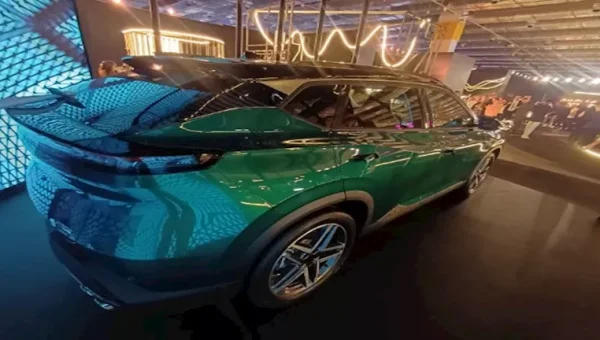
Dongfeng Mage EV Set to Launch from El Nasr Plants with 480 km Range
SN Automotive is preparing to launch the Dongfeng Mage EV, assembled locally at El Nasr Automotive's plants in Helwan. The compact SUV uses a front-mounted 161 hp motor and a…
Land Rover Officially Enters Egypt's Electric Vehicle Market
Land Rover has announced its official entry into Egypt's electric vehicle market with the fully electric Range Rover. The vehicle features dual motors producing over 500 horsepower and a range…
Opel Bets on LFP Batteries to Cut EV Prices and Counter Chinese Competition
Opel CEO Florian Huettl announced the company will expand its use of lithium iron phosphate (LFP) batteries to reduce electric vehicle prices. The move comes amid pressure on the European…
Dongfeng Electric SUV Heads to Egypt: 480 km Range and Local Assembly
Dongfeng is preparing to launch a fully electric SUV in Egypt with a range of 480 kilometers. The vehicle is being assembled locally in partnership with El Nasr Automotive Manufacturing…
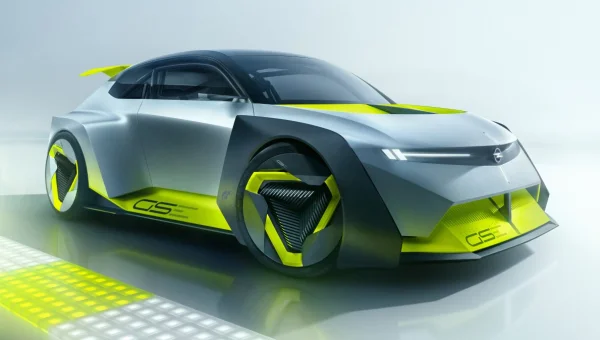
Opel CEO: 800V Tech Is Ready in Our New Platforms, But Applying It to Every Car Raises Prices
Opel CEO Florian Huettl stated that the company's new STLA platform can technically support 800-volt charging, but rolling it out across all models would increase costs and prices. He noted…