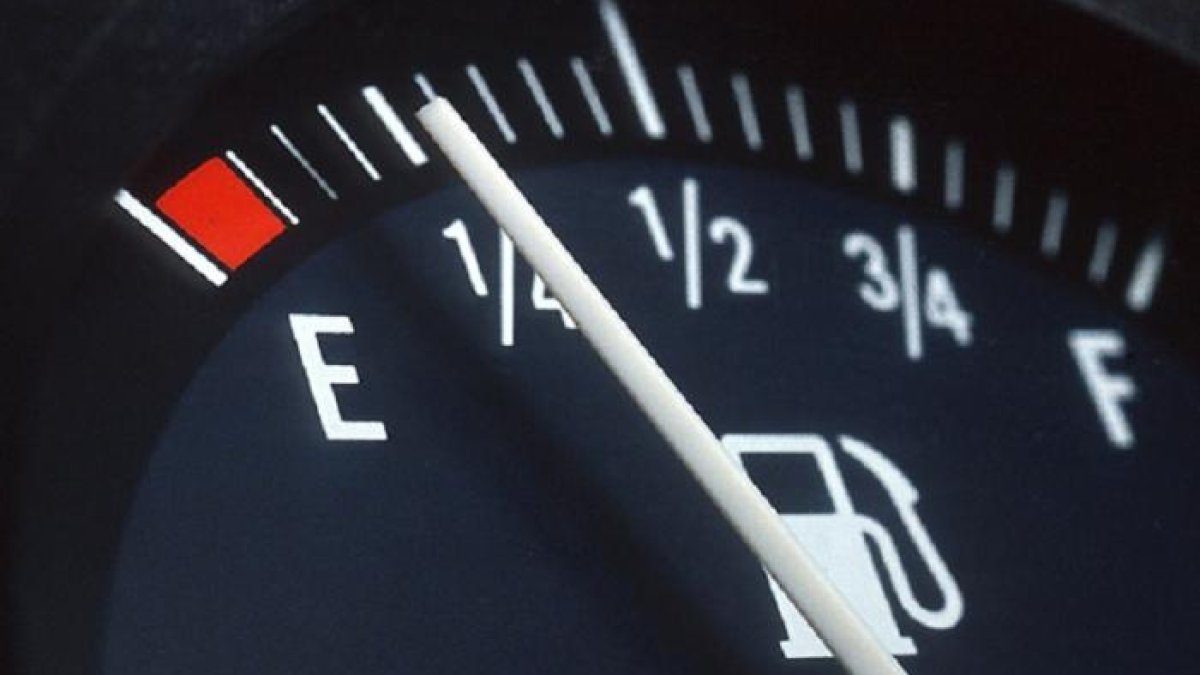
Urgent Warning for Drivers: Neglecting Tire Pressure Doubles Fuel Consumption and Threatens Safety
Automotive and road safety experts have issued a serious warning about the dangers of neglecting tire pressure, emphasizing that driving with improperly inflated tires can increase the risk of accidents, raise fuel consumption, and accelerate tire wear beyond normal rates.
Specialists point out that many drivers fail to realize that tires are the only point of contact between the vehicle and the road. Therefore, any deviation in air pressure directly affects stability, handling, and overall driving efficiency.
Low Pressure: A Hidden Danger on the Road
When tire pressure drops below the recommended levels, the contact patch with the road surface increases, causing a dangerous rise in tire temperature during long-distance or high-speed driving.
Low pressure also leads to sluggish steering response, longer braking distances, and a higher risk of tire blowouts or loss of vehicle control, particularly during sudden maneuvers.
Fuel Consumption Rises Without You Noticing
Experts note that underinflated tires force the engine to work harder to move the vehicle, resulting in a noticeable increase in fuel consumption.
In some cases, low tire pressure can boost gasoline consumption by more than 5%, especially during daily city driving in heavy traffic.
Overinflation Is Not Always Better
On the other hand, exceeding the recommended tire pressure is not a good solution either, as it can reduce traction and make the ride harsher.
An overinflated tire becomes more vulnerable to damage when hitting potholes or bumps, and the center of the tread wears out more quickly.
Heat Changes Everything
As temperatures rise during the summer, the air inside tires expands naturally, which can lead to significant pressure changes.
For this reason, experts advise checking tire pressure regularly, especially before long trips or highway driving, and measuring when the tires are cold for an accurate reading.
How to Find the Correct Pressure
Manufacturers typically specify the ideal tire pressure on a sticker located inside the driver's door or in the vehicle's owner manual. The appropriate pressure varies depending on the vehicle type, tire size, and load.
Specialists stress that relying on feel or a visual inspection alone is not enough to determine the actual tire pressure. A dedicated pressure gauge should be used regularly.
Related News
View All News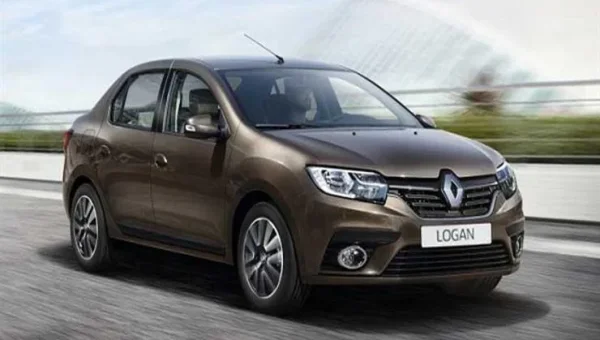
10 Used Cars Under EGP 1 Million in the Egyptian Market This October
Rising new car prices pushed buyers to the used market in Egypt, where 10 cars are available under EGP 1 million this October. A 2018 Renault Logan starts at EGP…
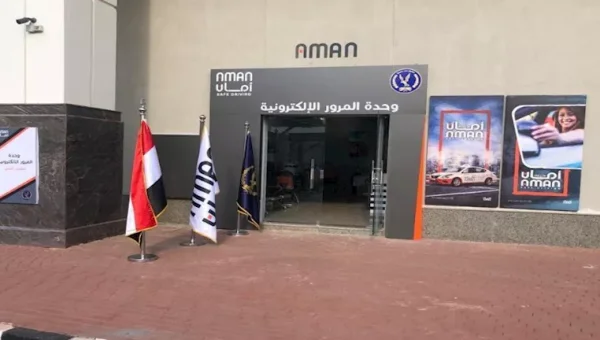
Egypt Cancels Fire Extinguisher and Triangle Requirement for Car Licensing — How Much You Save?
Egyptian traffic units eliminated the requirement to present a fire extinguisher, reflective triangle, and first aid kit when issuing or renewing vehicle licenses. Car owners save between 1,300 and 1,425…
Auto Ahram: A Trusted Platform for New and Used Car Prices in Egypt
Auto Ahram is a specialized website for new and used car prices in Egypt. It provides comprehensive coverage of prices for all makes and models. It is an essential reference…
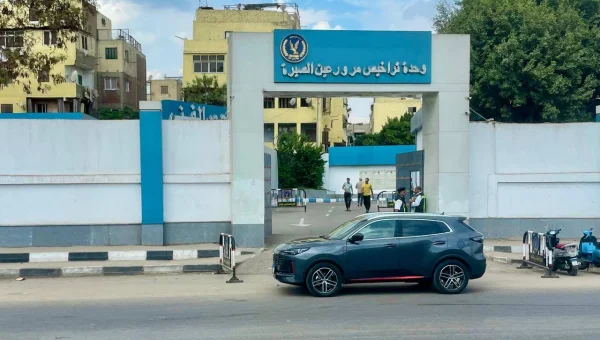
New Presidential Directives to Ease Vehicle License Renewal, Saving Hundreds of Pounds
Media figure Hisham El-Ziny praised new presidential directives aimed at easing vehicle licensing procedures for cars and motorcycles in Egypt. Executive steps by the Ministry of Interior include simplifying procedures…
Safety Expert: Fire Extinguisher, Triangle, and First-Aid Kit Won't Be Mandatory in Licensing if Valid
Major General Dr. Ayman El-Dabaa, a traffic safety expert, stated that fire extinguishers, reflective triangles, and first-aid kits will not become mandatory under Egypt's updated licensing procedures as long as…