Moderate Traffic Flow in Cairo and Giza with Congestion on Faisal, Haram, and Salah Salem
Overall Traffic Conditions Across Cairo and Giza
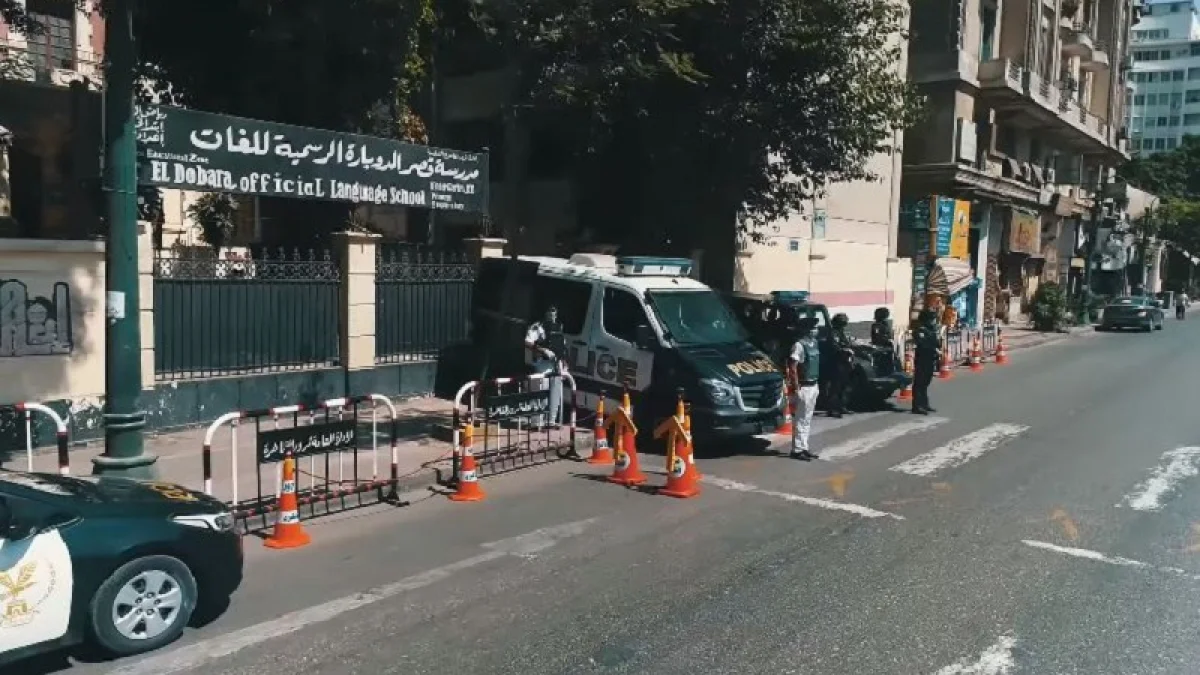
Roads across Cairo and Giza witnessed a generally moderate and relatively smooth traffic flow today, with most major corridors operating under stable conditions. The improvement came alongside a visible deployment of traffic officers across key intersections and highways, aimed at managing vehicle movement, maintaining road safety, and guiding drivers toward alternative routes whenever necessary. This operational presence helped maintain steady traffic movement during the morning peak hours across several critical routes.
Traffic remained particularly steady on the Ring Road and the 26th of July Corridor, as well as the main access routes leading to Tahrir Square. However, intermittent moving congestion appeared in certain hotspots due to increased traffic loads during peak commuting periods. Despite these fluctuations, overall traffic flow remained under control thanks to continuous monitoring and intervention by traffic authorities.
Traffic Density Within Greater Cairo Corridors
Traffic movement was notably smooth on October Bridge and along the Nile Corniche, two of the city’s most vital arteries. In contrast, moderate congestion was observed in Ramses, Ain Shams, and Downtown Cairo corridors, in addition to parts of Nasr City, Heliopolis, Shubra, and the Moasasa area. These patterns reflect the typical weekday demand generated by high population density and continuous commercial activity in these districts.
Salah Salem Corridor also recorded generally smooth traffic across most sections, except for heavier congestion in front of the Central Agency for Public Mobilization and Statistics and Abour Buildings. Traffic gradually improved afterward toward El-Orouba Road and the Airport Axis. Meanwhile, steady flow continued across Shubra, the Bolak Drain area, and extending toward Amiriya and Waily, helping distribute traffic loads across alternative routes.
Giza Traffic and the Impact of Metro Construction Works
In Giza, vehicle movement remained organized in Dokki, Agouza, and Mohandessin, while higher congestion levels were recorded at Sphinx Square and Mostafa Mahmoud Square, both known for heavy daily traffic activity. On the other hand, relatively smooth flow was observed across the 6th of October corridors, Sheikh Zayed roads, and the El Wahat Road, supporting connectivity between Greater Cairo and surrounding new urban areas.
Conversely, significant congestion was reported on Faisal Corridor, particularly in the Taqadum area, as well as at the intersection of Haram Street and Mariouteya. These delays were mainly attributed to ongoing construction works related to metro station projects in Talbiya, El-Ashreen, El-Masaha, and Saft El-Laban, in addition to surrounding metro station zones in Giza. The General Traffic Department continues to monitor traffic conditions in real time through surveillance cameras and operations rooms, supported by field deployment to address any sudden congestion incidents.
Related News
View All News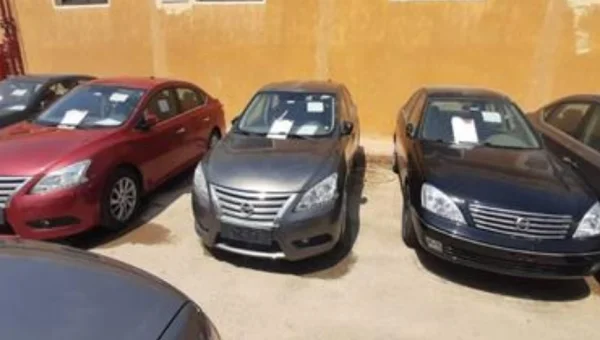
Alexandria Customs Auction Offers Porsche, Mercedes, BMW in October 2026
Alexandria Customs will hold a public auction on October 7, 2026, at the Civilization Sports Club in Cairo, offering Porsche, Mercedes, BMW, Land Rover, Chrysler, Mitsubishi, and Chevrolet vehicles. Participation…

Media Professor: Consumer Protection Agency Is the Right Channel for Car Owners' Complaints, Not Social Media
Dr. Saeed Hamed, a media professor at Suez University, called on car owners to submit complaints through the Consumer Protection Agency rather than social media. He warned that some bloggers…
10 Used Cars Under EGP 1 Million in the Egyptian Market This October
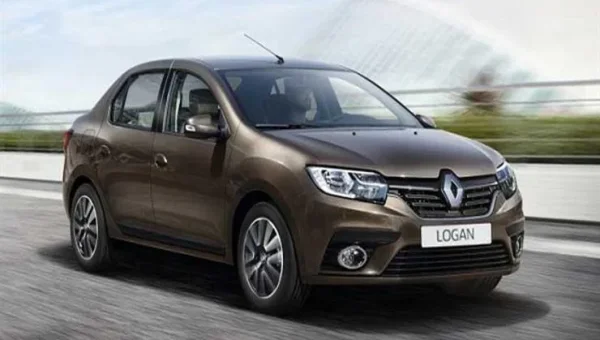
Rising new car prices pushed buyers to the used market in Egypt, where 10 cars are available under EGP 1 million this October. A 2018 Renault Logan starts at EGP…
Egypt Cancels Fire Extinguisher and Triangle Requirement for Car Licensing — How Much You Save?
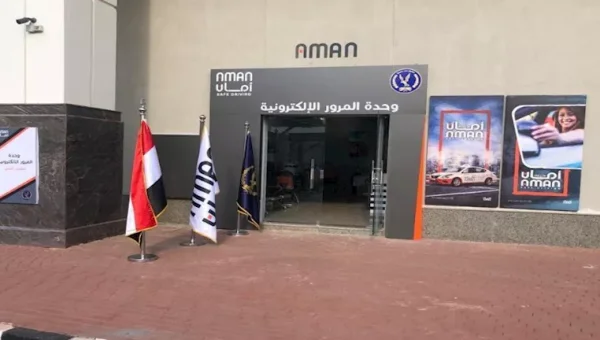
Egyptian traffic units eliminated the requirement to present a fire extinguisher, reflective triangle, and first aid kit when issuing or renewing vehicle licenses. Car owners save between 1,300 and 1,425…
Auto Ahram: A Trusted Platform for New and Used Car Prices in Egypt
Auto Ahram is a specialized website for new and used car prices in Egypt. It provides comprehensive coverage of prices for all makes and models. It is an essential reference…