Smart Traffic Cameras Start Detecting Modified and Illegal LED Headlights in Egypt
Egyptian traffic authorities are expanding smart camera operations to detect modified headlights and non-compliant LED installations. The AI-powered systems analyze detailed vehicle imagery beyond traditional speed enforcement. Factory-certified LED headlights remain legal, while unauthorized modifications that cause glare are the target. The system is still in pilot testing across several governorates.
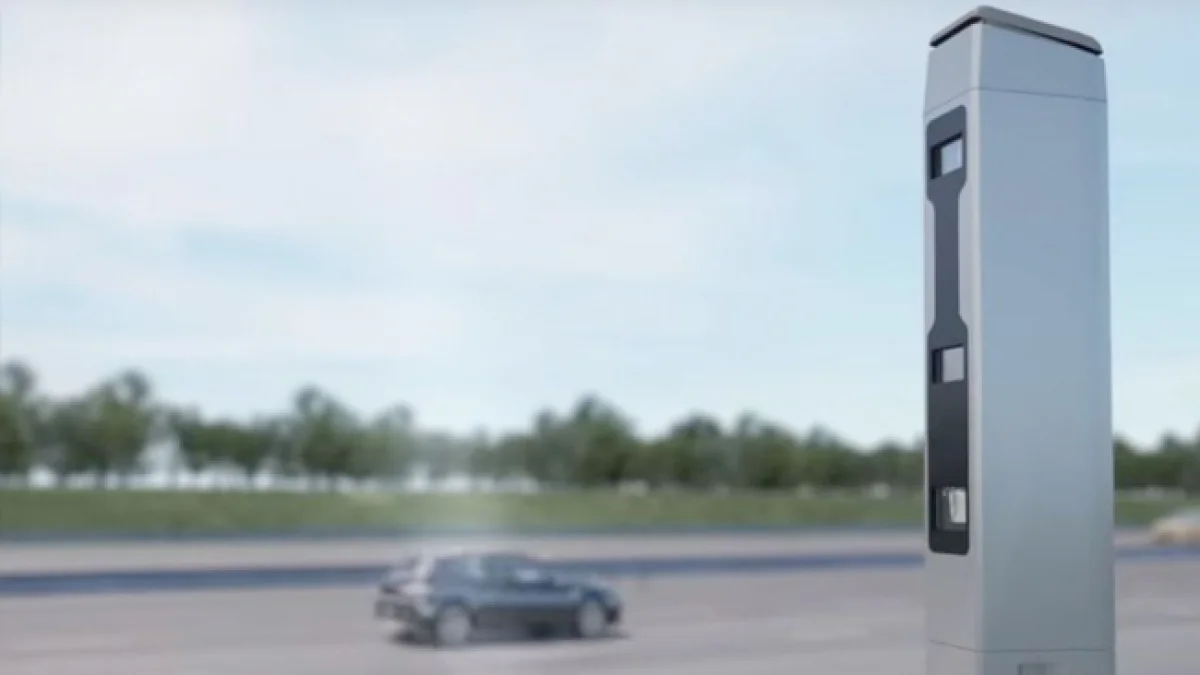
Egypt's modern traffic cameras have entered a new phase of electronic enforcement, moving far beyond capturing speeding cars or red-light runners. AI-powered surveillance systems can now analyze finer details in a vehicle's image, opening the door to detecting illegal modifications like dazzling headlights and unauthorized LED installations. The shift is significant.
How Does the New Detection Technology Work?
The new systems rely on high-resolution cameras equipped with advanced video and image analysis algorithms, capable of identifying the vehicle, reading its plates. Tracking its movement with precision. These algorithms compare what appears in the frame against patterns the system has been trained to recognize, allowing it to distinguish between a standard vehicle and one with external alterations. The technology runs around the clock.
470 new smart cameras have been deployed on major roads over the past few months, according to recent traffic statistics. The system can track vehicles carrying fake license plates and monitor their journey across multiple cameras in a single corridor — revealing just how far image analysis has evolved in traffic enforcement. Authorities are studying further expansion to cover additional driving behaviors.
Is Every LED Installation a Violation?
The short answer is no. A car that comes from the factory with certified LED headlights as part of its original design presents no legal issue, and a clear distinction must be made between that and installing non-compliant additional lighting units. The real problem lies in unauthorized modifications that alter light intensity or direction, causing glare for oncoming drivers.
Technically speaking, modern camera resolution allows for recognizing fine external details on a vehicle, but automatically flagging modified headlights as a violation depends on how the system is programmed in each country. Not all current AI cameras can automatically issue a ticket for headlight changes, yet the available technology enables analysis of vehicle shape and equipment far beyond what traditional surveillance cameras ever could. The difference is purely technical.
What This Means for Drivers in Egypt
On Egypt's fast highways, several governorates have already begun pilot testing these systems. Initial results show the cameras can spot vehicles with illegal modifications. The expansion of this technology means violations like installing high-intensity light bars or unauthorized fog lights will become far more likely to be automatically detected. Owners of modified vehicles should review their specifications before the system is activated on a wider scale.
International trials have proven AI systems can analyze vehicle images with accuracy exceeding human capabilities, especially at night or during heavy traffic flow. The future of traffic enforcement in Egypt is moving steadily toward greater reliance on this technology, which calls on drivers to stick to standard specifications and avoid unexpected fines.
Frequently Asked Questions
3 questions answered
Related News
View All News
On October Victory Anniversary: Nasr 128, 1300, and 125 Still Roam Egyptian Streets
As Egypt marks 53 years since the October 1973 victory, Nasr 128, 1300, and 125 cars remain a visible presence on Egyptian roads. The Nasr 128 with its 1,116 cc…
Nissan Magnite Hits 754 Registrations in Egypt in September, Tops Its Segment
Nissan Egypt announced 754 licensed Magnite units in September, up from 524 in its July debut month. The car is assembled locally with over 55% local content and is the…

Cairo Counts Car Showrooms Ahead of Relocation Outside Residential Areas by 2027
Cairo Governorate has launched a comprehensive inventory of licensed and unlicensed car showrooms across all districts, as a prelude to relocating them outside residential areas before the end of next…
Egypt Car Sales Surpass 116,000 Units with 39.5% Growth in Seven Months
Egypt's car sales rose 39.5% in the first seven months of 2026 to reach 116,696 units, according to a Focus2Move report. Changan led brand growth at 308.3%, followed by Haval…

Suez and Port Said Customs Auction: Toyota, Kia, Hyundai, Mercedes Used Cars for Sale on October 15
Egypt's General Authority for Government Services will hold a public auction on October 15 to sell used cars from Suez and Port Said customs. The auction includes brands like Toyota,…