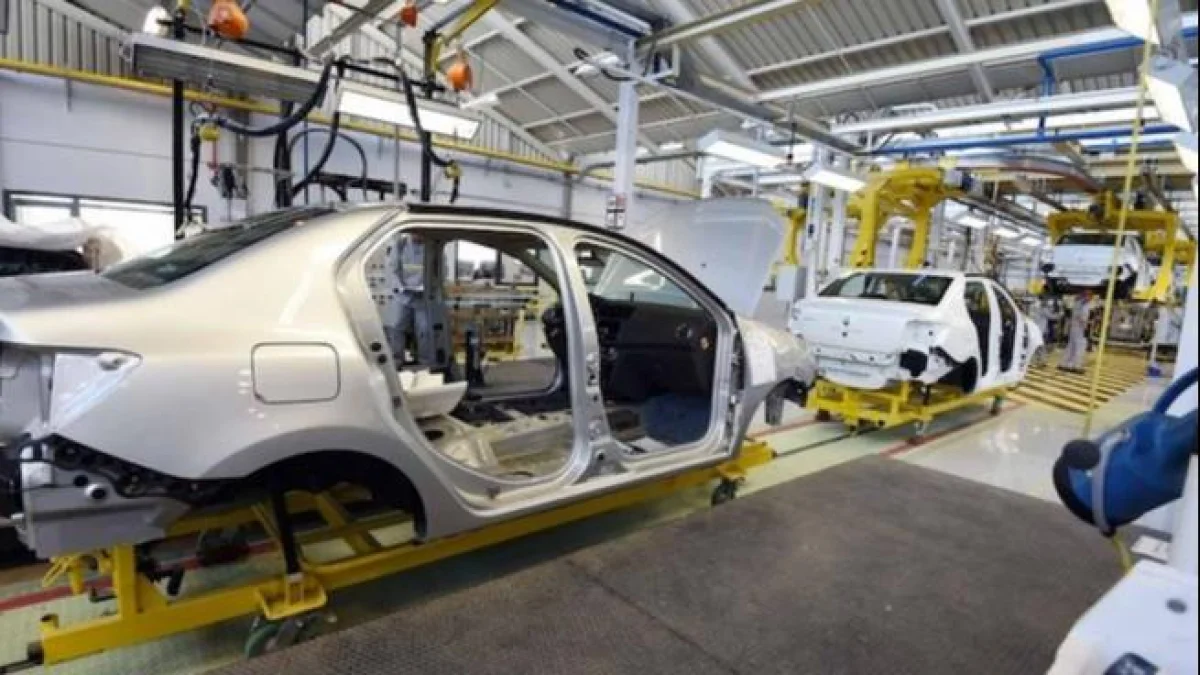
Government Incentives: The Secret Behind Egypt's Auto Industry Success
Eng. Alaa Salah El-Din confirmed that Egypt's national automotive program grants manufacturers incentives to enhance competitiveness. He highlighted increased production volume as the key factor in reducing vehicle costs. The Ministry of Industry is actively supporting feeder industries and raising local component content through new initiatives targeting both producers and consumers.
Eng. Alaa Salah El-Din, head of the Automotive Industry Unit at the Ministry of Industry, revealed that Egypt's automotive sector growth hinges on a comprehensive incentive system designed to support manufacturers. In recent statements, he emphasized the national automotive development program as the cornerstone of this strategy, offering competitive advantages that boost domestic production.
How Do Incentives Lower Car Prices?
The answer is simple: production volume. Salah El-Din explained that countries with strong manufacturing bases constantly push for higher output because larger quantities spread fixed costs across more units. This directly impacts the final price consumers pay. He stressed that only this equation separates a mature market from one plagued by inflated prices.
The national program goes beyond direct financial support, extending to strengthen the entire supplier ecosystem. These supporting industries are the backbone of any real manufacturing system. When they grow, the cost of imported components shrinks, reducing the overall local production cost per vehicle. Both the factory and the consumer benefit from this economic dynamic.
Future Plans to Increase Local Content
The Ministry of Industry has set ambitious targets to raise the percentage of locally manufactured components in vehicles assembled within Egypt. This isn't mere sloganeering; it's a structured action plan involving new initiatives aimed at making manufacturers more efficient. Technical and logistical support packages are also being offered to existing assembly and parts companies.
The stakes are high. Through these policies, the ministry aims to create an industrial environment capable of regional competition while attracting fresh investment to the sector. Ultimately, success will be measured by the market's ability to deliver a quality product at a fair price for Egyptian consumers.
The shift will take time and patience. Yet with continued state backing and supportive legislation, the roadmap looks clearer than before, steering the industry toward deeper self-reliance.
Frequently Asked Questions
3 questions answered
Related News
View All News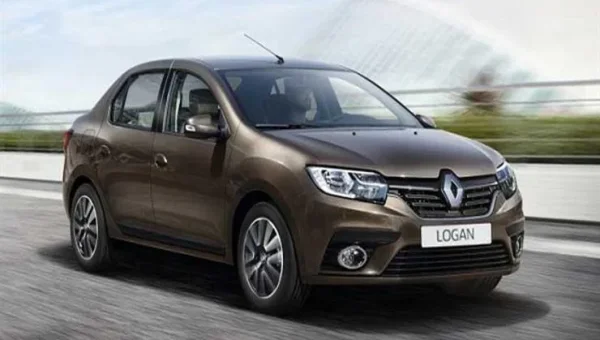
10 Used Cars Under EGP 1 Million in the Egyptian Market This October
Rising new car prices pushed buyers to the used market in Egypt, where 10 cars are available under EGP 1 million this October. A 2018 Renault Logan starts at EGP…
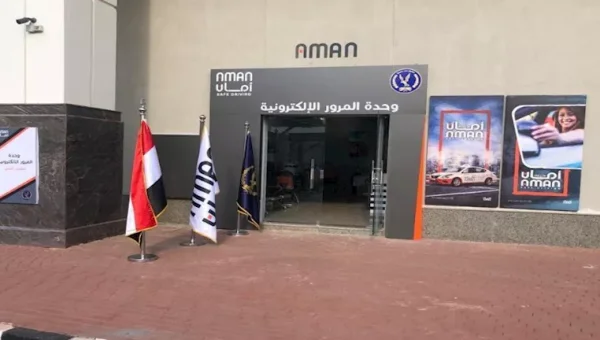
Egypt Cancels Fire Extinguisher and Triangle Requirement for Car Licensing — How Much You Save?
Egyptian traffic units eliminated the requirement to present a fire extinguisher, reflective triangle, and first aid kit when issuing or renewing vehicle licenses. Car owners save between 1,300 and 1,425…
Auto Ahram: A Trusted Platform for New and Used Car Prices in Egypt
Auto Ahram is a specialized website for new and used car prices in Egypt. It provides comprehensive coverage of prices for all makes and models. It is an essential reference…
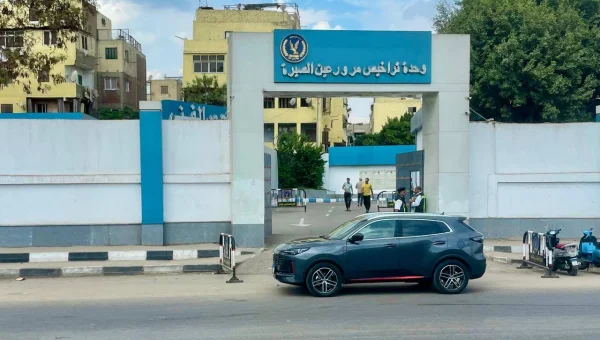
New Presidential Directives to Ease Vehicle License Renewal, Saving Hundreds of Pounds
Media figure Hisham El-Ziny praised new presidential directives aimed at easing vehicle licensing procedures for cars and motorcycles in Egypt. Executive steps by the Ministry of Interior include simplifying procedures…
Safety Expert: Fire Extinguisher, Triangle, and First-Aid Kit Won't Be Mandatory in Licensing if Valid
Major General Dr. Ayman El-Dabaa, a traffic safety expert, stated that fire extinguishers, reflective triangles, and first-aid kits will not become mandatory under Egypt's updated licensing procedures as long as…