European Warning: Closing Your Eyes for One Second at 100 km/h Means Driving 28 Meters Blind
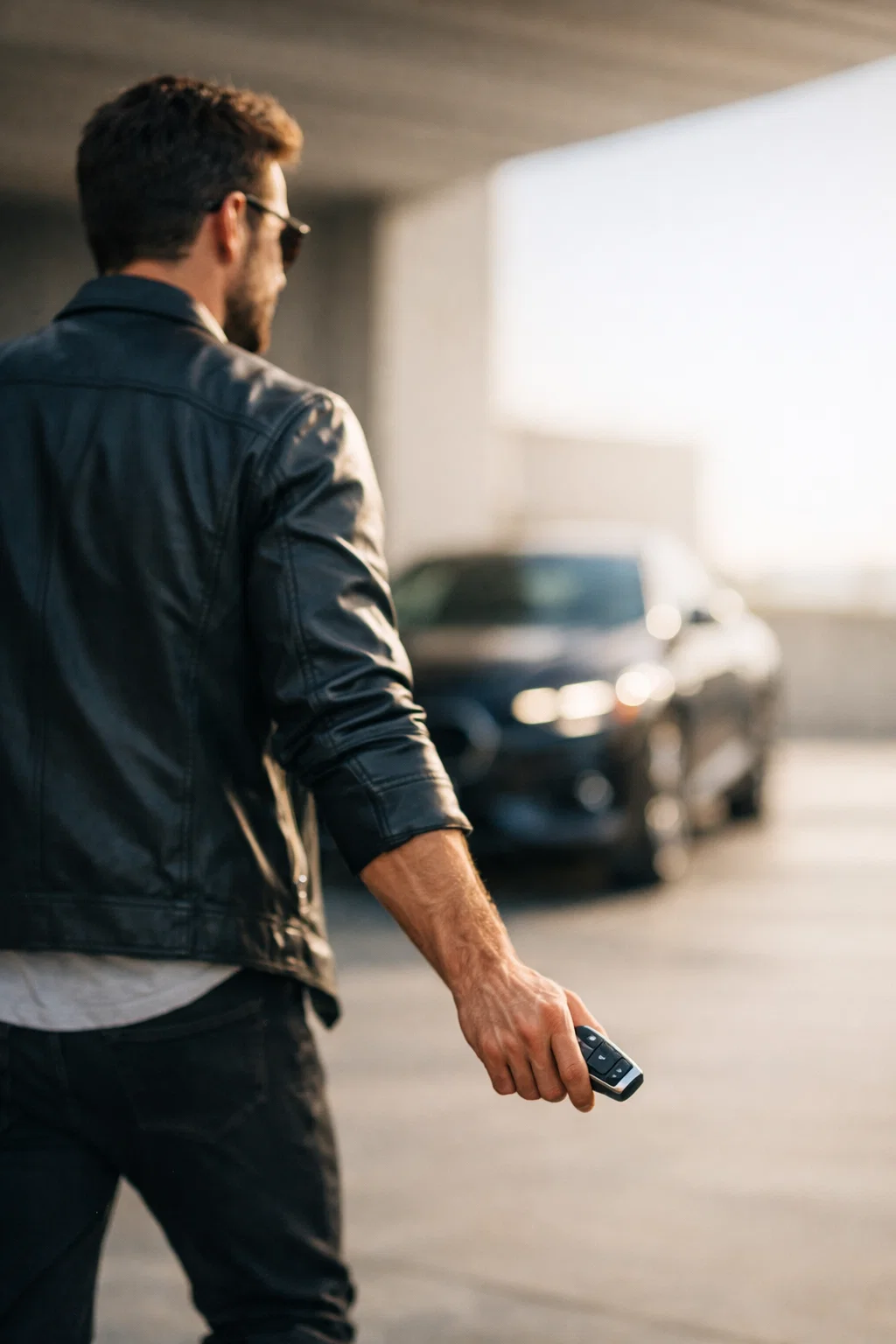
A single second may seem like an insignificant amount of time, but behind the wheel at highway speeds, it can be enough to create a serious hazard for the driver and everyone around them. Experts from the European Automobile Club (ACE) have warned that closing your eyes for just one second while driving at 100 km/h means the vehicle travels approximately 28 meters without the driver seeing the road. That distance could easily conceal a sudden obstacle, another vehicle, or a change in traffic flow.
Momentary Blindness and the Amplified Risk of Speed
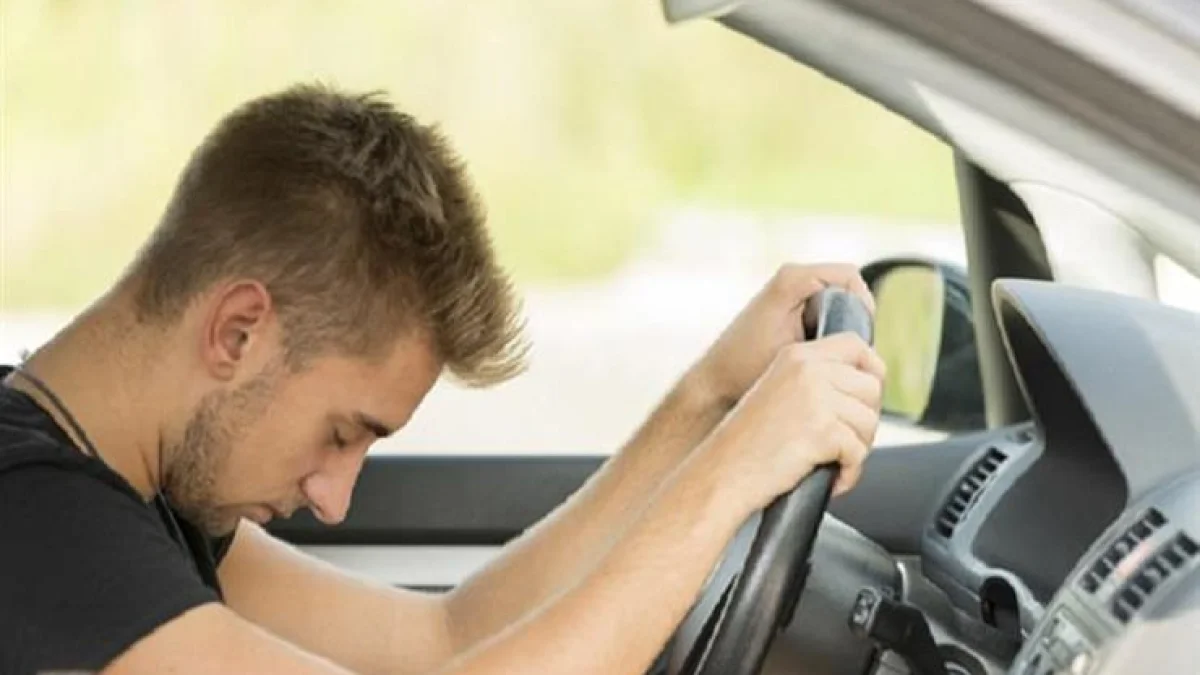
This danger is often referred to as momentary blindness, where the car continues moving forward while the driver loses the ability to monitor the road, even for a fraction of a second. The risk is compounded because drivers may not realize how far they have traveled without vision, especially when fatigue, drowsiness, or long hours behind the wheel are involved. As speed increases, so does the distance covered during a blink or a lapse in attention. At high velocities, a brief moment of sleepiness or distraction can directly trigger an accident, since the time available for the driver to react or apply the brakes is drastically reduced.
Fatigue is the Driver's Enemy and Early Warning Signs
Fatigue and drowsiness rank among the leading causes of lost concentration while driving, particularly during long trips, nighttime driving, or after an exhausting workday. Early warning signs include excessive yawning, heavy eyelids, poor focus, not remembering parts of the road, or drifting slightly within the lane. The ACE experts advise pulling over to a safe spot immediately upon feeling sleepy or losing focus, and never fighting the urge to sleep while driving. Drivers can take a short rest break or switch seats with another person if available, rather than continuing the journey in a state of exhaustion.
Tips to Minimize Drowsiness and Avoid Distractions
It is recommended to get adequate sleep before long journeys, avoid driving for consecutive hours without a break, and stop periodically to regain energy and concentration. Ventilating the car, drinking water, and avoiding heavy meals before driving can also help reduce sluggishness, but these steps are no substitute for proper rest or sleep when needed. The danger is not limited to drowsiness alone; being distracted by a phone or looking away from the road for just a few seconds can produce the same result, with the car traveling a significant distance while the driver is not paying attention, turning a small moment of inattention into a potential catastrophe.
Related News
View All News
Nissan Tops Egypt's Passenger Car Sales in 2026: Full Price List
Nissan topped Egypt's passenger car sales in the first eight months of 2026 with a 16.4% share and 16,616 vehicles, beating MG and Chery. The Magnite starts at EGP 819,999,…
Chery Tops Egypt's Locally Manufactured Car Sales in August
Chery topped Egypt's locally manufactured car sales in August 2026 with 1,470 units and a 34% market share. Nissan followed with 872 vehicles, then Hyundai with 595 and Changan with…
Cairo Airport and Damietta Customs Auction on October 21: Jeep, Mercedes, Porsche Lead the List
Egypt's General Authority for Government Services will hold a used car auction on October 21 covering Cairo Airport, Damietta, and 6th of October customs warehouses. The lineup features a Jeep…
2,385 Korean Cars Licensed in Egypt Last September — Hyundai Leads the Pack
Data from the Egyptian Compulsory Motor Insurance Pool shows 2,385 Korean-brand vehicles were licensed in Egypt last September. Hyundai topped the list with 1,231 units (51.6% share), followed by Kia…
Top 5 Japanese Used Cars Starting from EGP 500,000 in the Egyptian Market
The report highlights the top 5 Japanese used cars in the Egyptian market starting from EGP 500,000, led by the Toyota Corolla with 2018–2021 models priced between EGP 750,000 and…