Reports Suggest Egypt May End Customs Exemptions on Imported Electric Cars
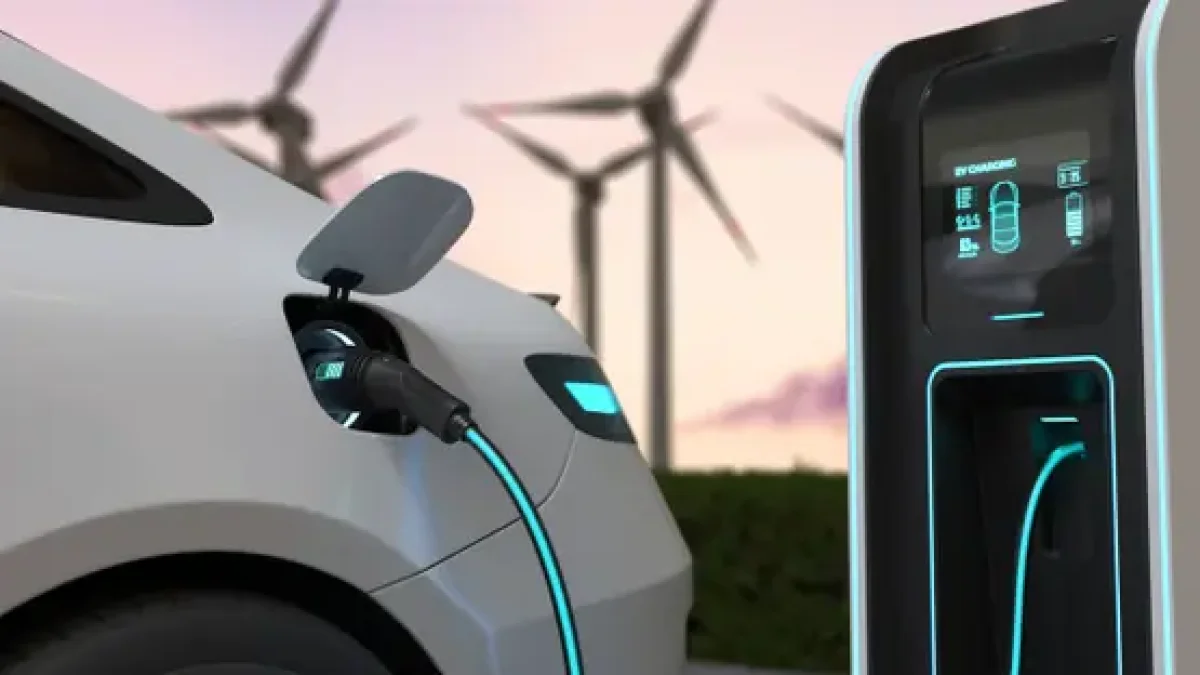
The Egyptian automotive market is closely monitoring circulating reports suggesting that customs exemptions currently granted to imported electric vehicles (EVs) may soon be abolished. This potential shift could significantly alter consumer demand for electric vehicles in the country, as the government appears to be recalibrating its EV support policies in line with both local industrial developments and global trends in sustainable transport.
Current Exemption Structure for Imported EVs
Imported electric vehicles in Egypt currently enjoy a full exemption from customs duties, with only value-added tax (VAT) and an additional 1% fee applied. This stands in stark contrast to conventional imported cars, which are subject to high customs tariffs, making EVs an attractive option for consumers looking to lower upfront costs and benefit from government incentives. The policy was originally introduced to encourage the adoption of clean-energy vehicles and reduce carbon emissions.
Previous Adjustments to Incentive Programs
Earlier, Egypt's government had already narrowed the scope of incentives for used electric vehicles by limiting the exemption to cars no older than three years, before eventually scrapping that benefit altogether and restricting support to brand-new imported models. According to industry sources, even this limited incentive may now be on the verge of elimination, mirroring moves by several countries worldwide that have begun phasing out EV subsidies as market penetration increases and buyer acceptance matures.
Local EV Production Drives Policy Reconsideration
A major factor behind the potential repeal of customs incentives is the imminent start of local electric vehicle production in Egypt. Widespread speculation within the automotive sector suggests that the government intends to impose full customs duties on all imported electric cars from outside the country, effectively ending the preferential treatment currently in place. This policy shift aims to protect the nascent domestic EV manufacturing industry and encourage global automakers to establish local assembly lines rather than relying solely on imports.
Encouraging Local Manufacturing Over Imports
According to various reports, the ultimate goal of these anticipated measures is to incentivize automakers to set up production facilities within Egypt and manufacture electric vehicles locally instead of importing completely built units. Al-Nasr Automotive Company, in collaboration with Al-Safi Group, is already working on producing the first locally manufactured electric car, expected to be launched in the coming months. For this domestic industry to thrive and compete effectively, the removal of preferential advantages enjoyed by imported vehicles is considered a necessary step toward achieving a level playing field in the Egyptian automotive market.
Related News
View All News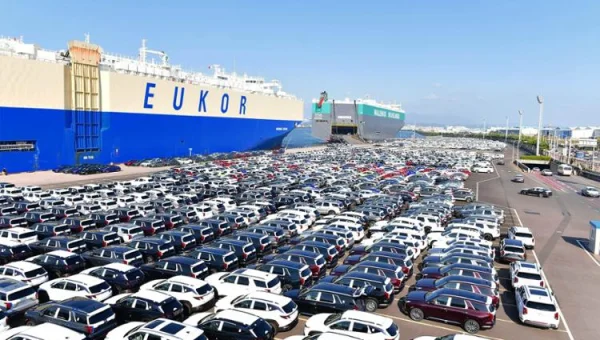
2,385 Korean Cars Licensed in Egypt Last September — Hyundai Leads the Pack
Data from the Egyptian Compulsory Motor Insurance Pool shows 2,385 Korean-brand vehicles were licensed in Egypt last September. Hyundai topped the list with 1,231 units (51.6% share), followed by Kia…
Top 5 Japanese Used Cars Starting from EGP 500,000 in the Egyptian Market
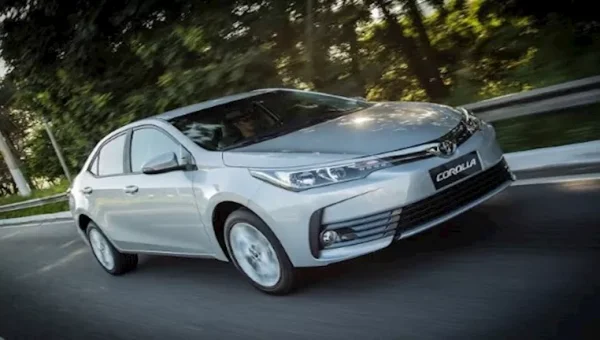
The report highlights the top 5 Japanese used cars in the Egyptian market starting from EGP 500,000, led by the Toyota Corolla with 2018–2021 models priced between EGP 750,000 and…

Egypt's Car Market: 'Over-Price' Premiums Return as Supply Tightens
The over-price premium has returned to Egypt's car market after months of stability, according to Ashraf Sharbas, head of the Automotive Division at the Giza Chamber of Commerce. He attributed…

How to Get a Driving License for the First Time and Renew It from Home
Egypt's General Traffic Department has outlined the steps to obtain a driving license for the first time and renew it from home. The process includes submitting required documents, a medical…

Fiat Egypt Launches Maintenance Installment Plan Up to 6 Months via 4 Banks
Dynamix, Fiat's distributor in Egypt, has introduced maintenance installment plans of up to 6 months or 3 months through Banque Misr, Banque du Caire, QNB, and CIB. The offers are…