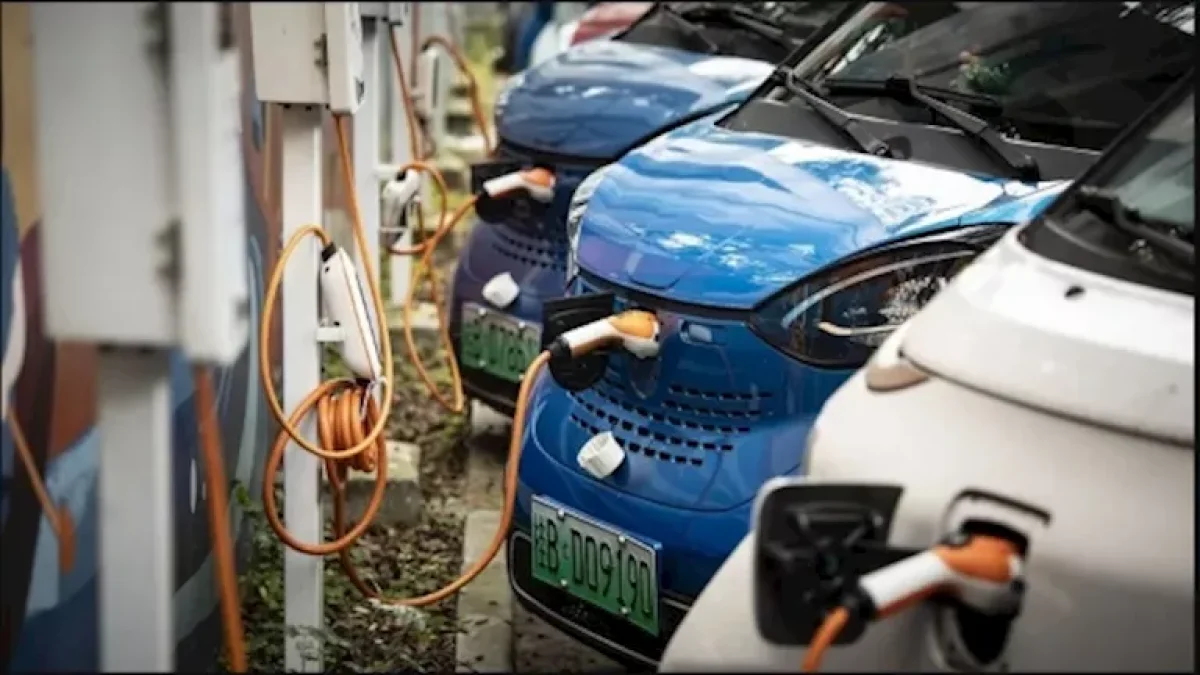
Egypt Considers 5% Customs Duty on Imported Electric Cars for the First Time
Egypt is on the verge of changing the rules of its electric vehicle market. The government is studying the imposition of a 5% customs duty on fully imported electric cars, marking the first time such a fee would be applied in the country's history, in a move aimed at protecting local industry and attracting new investments in clean vehicle manufacturing, according to six informed sources including four government officials who spoke to Bloomberg Asharq.
Why Now?
The new duty comes at a time when Egypt still has no actual production or assembly of electric vehicles. Fully imported cars currently enjoy a complete customs exemption at 0%, with only a 14% value-added tax applied. This situation has created a clear gap in the market, where ready-made cars enter without any customs burdens, while local factories pay duties on imported components at 2% plus value-added tax.
The gap is significant. Local manufacturers pay more, making imports more attractive than establishing local assembly or production lines. This disparity has reduced the economic viability of investing in local assembly, prompting the government to act on fixing this imbalance through the proposed fee.
Limited Incentives
Investment incentives in Egypt remain limited, according to one official who spoke to the agency, noting that this gap has managed to reduce the market's ability to attract new investments in the electric vehicle sector, with companies preferring to rely on imports rather than bear the cost of local manufacturing. The government hopes that imposing these duties will improve the competitiveness of local manufacturers and encourage them to pour new investments into the country.
The study is still in its early stages, but it sends a clear message to the market. Imported electric cars will lose their competitive edge if these duties are applied, while local factories may see an investment boom in the coming years. The Egyptian market is watching closely — change is coming.
Related News
View All News
10 Used Cars Under EGP 1 Million in the Egyptian Market This October
Rising new car prices pushed buyers to the used market in Egypt, where 10 cars are available under EGP 1 million this October. A 2018 Renault Logan starts at EGP…

Egypt Cancels Fire Extinguisher and Triangle Requirement for Car Licensing — How Much You Save?
Egyptian traffic units eliminated the requirement to present a fire extinguisher, reflective triangle, and first aid kit when issuing or renewing vehicle licenses. Car owners save between 1,300 and 1,425…
Auto Ahram: A Trusted Platform for New and Used Car Prices in Egypt
Auto Ahram is a specialized website for new and used car prices in Egypt. It provides comprehensive coverage of prices for all makes and models. It is an essential reference…
New Presidential Directives to Ease Vehicle License Renewal, Saving Hundreds of Pounds
Media figure Hisham El-Ziny praised new presidential directives aimed at easing vehicle licensing procedures for cars and motorcycles in Egypt. Executive steps by the Ministry of Interior include simplifying procedures…
Safety Expert: Fire Extinguisher, Triangle, and First-Aid Kit Won't Be Mandatory in Licensing if Valid
Major General Dr. Ayman El-Dabaa, a traffic safety expert, stated that fire extinguishers, reflective triangles, and first-aid kits will not become mandatory under Egypt's updated licensing procedures as long as…