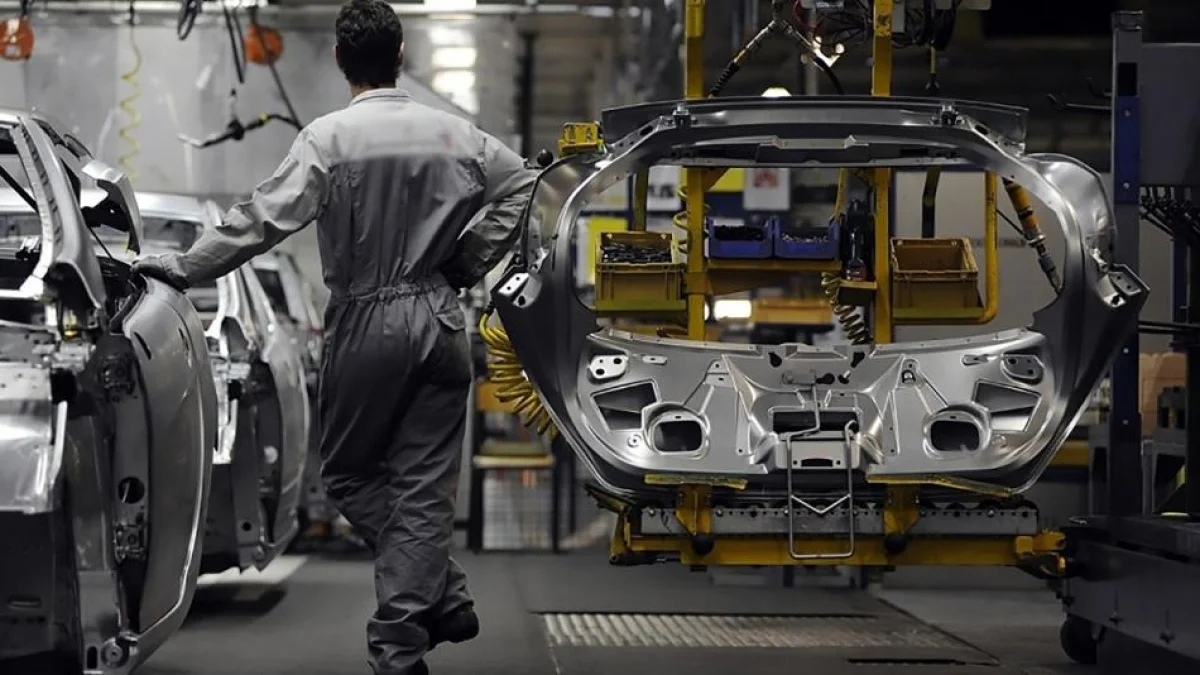
Egypt Launches 8 New Billet Licenses with 2.8 Million Tons Capacity to Support Auto Industry
Egypt's Ministry of Industry has announced 8 new billet production licenses with a total capacity of 2.8 million tons annually, split into 4 licenses of 500,000 tons each and 4 of 200,000 tons each. The initiative aims to strengthen local manufacturing and reduce reliance on imported raw materials, directly benefiting the automotive industry and its supporting sectors. The application period runs from August 11 to August 20, 2026, with offers due by September 9, 2026.
The Ministry of Industry has announced the launch of 8 new licenses for billet production with a total capacity of 2.8 million tons annually, aiming to boost local manufacturing and reduce reliance on imported raw materials in the steel sector. The initiative is a direct boost to the automotive industry and its supporting components. The new licenses include 4 licenses with a capacity of 500,000 tons per license and 4 licenses with a capacity of 200,000 tons per license, bringing the total targeted production capacity to 2.8 million tons per year.
New Billet Licenses: A Push for Local Supply Chains
The numbers matter. Expanding local billet production will secure a significant portion of the needs of national rolling mills, reducing dependence on imported raw materials and easing pressure on foreign currency reserves. This move enhances the competitiveness of Egyptian industrial products, with direct benefits for sectors like automotive components manufacturing.
The impact runs deep into the automotive sector. Car assembly plants and component makers require a strong local base of raw materials and intermediate products. Providing billet locally supports the increase of local content in vehicles manufactured in Egypt, enabling companies to expand and invest with greater confidence.
Direct Support for Auto Supply Chains and Supporting Industries
Steel is the backbone of engineering and metal industries. Any improvement in its local availability reflects across all related sectors. The growth of local steel production capacity means easier and faster access to production inputs, lowering costs and reducing logistics overheads. This is a clear win for the industrial sector.
The demand for billet in Egypt is substantial, and rolling mills will benefit directly from this expansion. Reducing imports not only saves hard currency but also protects the industry from global price volatility. This step is part of a broader vision to deepen national industry and enhance value chains in the steel sector.
Timeline for Billet License Applications
The authorities have set a clear timeframe for interested parties. The period from August 11 to August 20, 2026, is dedicated to purchasing the terms and specifications booklet from the main headquarters of the Industrial Development Authority in the Fifth Settlement. The final deadline for submitting offers is Wednesday, September 9, 2026, at 12:00 PM.
This move reflects a clear government commitment to supporting local industry, especially in strategic sectors linked to automobiles. Providing production inputs locally will contribute to building more stable supply chains, enhancing Egypt's competitiveness regionally and globally. The automotive industry is set to gain real momentum from these licenses, particularly with the increasing focus on localization and export growth.
Frequently Asked Questions
3 questions answered
Related News
View All News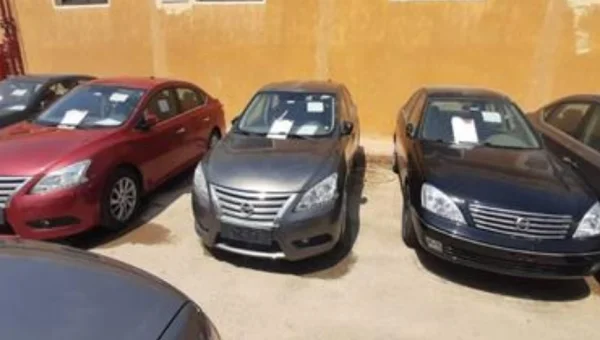
Alexandria Customs Auction Offers Porsche, Mercedes, BMW in October 2026
Alexandria Customs will hold a public auction on October 7, 2026, at the Civilization Sports Club in Cairo, offering Porsche, Mercedes, BMW, Land Rover, Chrysler, Mitsubishi, and Chevrolet vehicles. Participation…

Media Professor: Consumer Protection Agency Is the Right Channel for Car Owners' Complaints, Not Social Media
Dr. Saeed Hamed, a media professor at Suez University, called on car owners to submit complaints through the Consumer Protection Agency rather than social media. He warned that some bloggers…
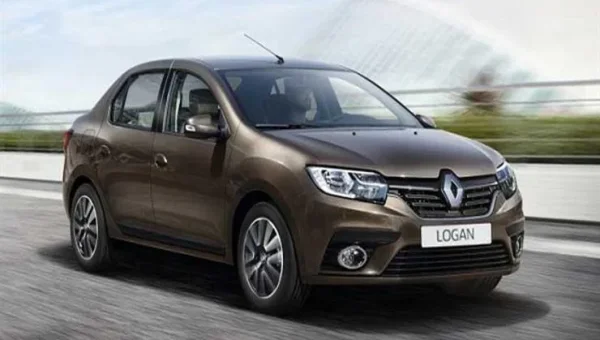
10 Used Cars Under EGP 1 Million in the Egyptian Market This October
Rising new car prices pushed buyers to the used market in Egypt, where 10 cars are available under EGP 1 million this October. A 2018 Renault Logan starts at EGP…
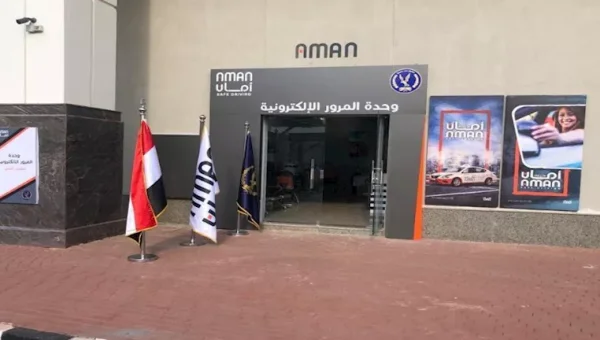
Egypt Cancels Fire Extinguisher and Triangle Requirement for Car Licensing — How Much You Save?
Egyptian traffic units eliminated the requirement to present a fire extinguisher, reflective triangle, and first aid kit when issuing or renewing vehicle licenses. Car owners save between 1,300 and 1,425…
Auto Ahram: A Trusted Platform for New and Used Car Prices in Egypt
Auto Ahram is a specialized website for new and used car prices in Egypt. It provides comprehensive coverage of prices for all makes and models. It is an essential reference…