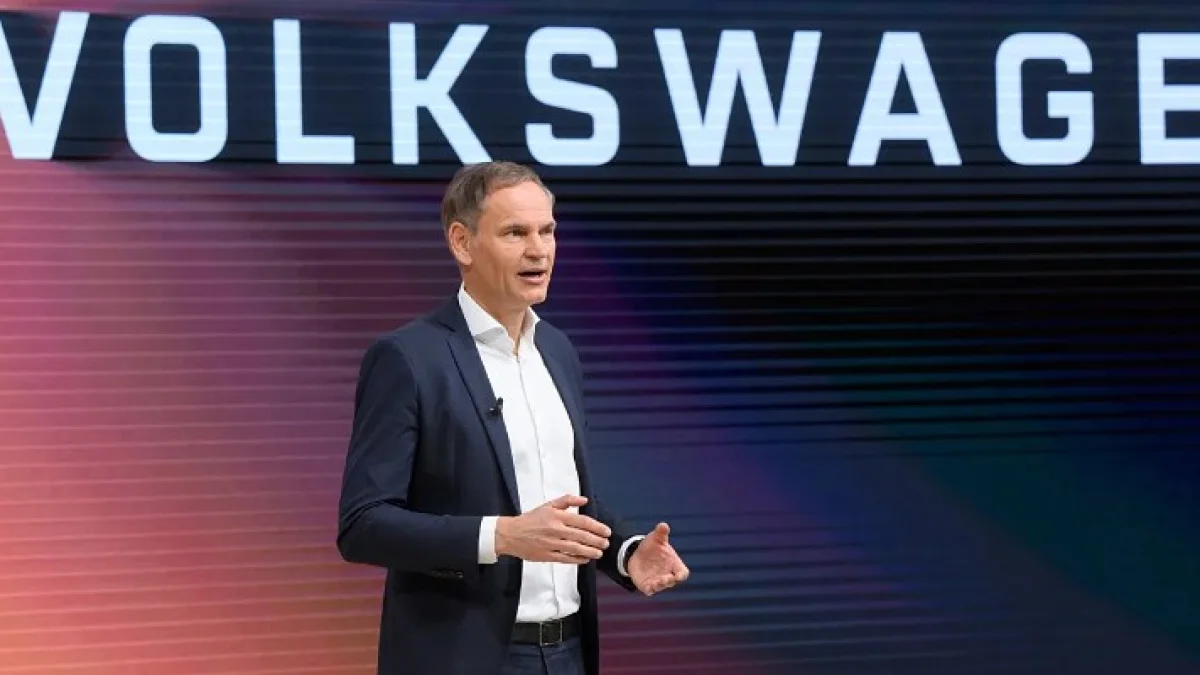
Volkswagen Plans Historic Restructuring: Factory Closures and 50,000 Job Cuts
Volkswagen is entering a critical phase in its corporate restructuring journey, as its supervisory board meets today to discuss a comprehensive transformation plan that could become the largest in the company's history. CEO Oliver Blume faces mounting pressure to address a deepening crisis driven by slowing demand, intensifying global competition, and rising operational costs. The German automotive giant is navigating one of the most challenging periods in its history as it seeks to reshape its operations for a rapidly changing market.
Unprecedented Restructuring Plan Targets German Factories
According to international reports, the supervisory board is reviewing a broad package of measures that could include closing four plants in Germany and cutting up to 50,000 additional jobs, alongside reorganizing the group structure and separating some operational activities. These steps aim to improve efficiency and strengthen the competitiveness of Europe's largest carmaker. The proposed plan includes studying the closure of factories in Hanover, Emden, and Zwickau, as well as the Neckarsulm plant belonging to the Audi brand. These drastic measures reflect the scale of pressure facing the company as profit margins continue to decline in the European market amid challenges linked to the transition toward electric vehicles.
Corporate Structure Overhaul and Streamlining Operations
Management is also considering restructuring the group's corporate entity, including separating the main brand and the component technology unit, with the goal of simplifying the business structure and accelerating decision-making processes. These radical changes are designed to make Volkswagen more capable of facing competition in global automotive markets, especially with the rise of Chinese companies in the electric vehicle segment. The pace of change in the European automotive industry is accelerating as Volkswagen pursues a strategic transformation covering all aspects of its operations to ensure long-term sustainability in the competitive landscape.
Anticipated Negotiations with Labor Unions
The meeting is expected to pave the way for lengthy negotiations with labor unions and local governments regarding the future of factories and employment, especially since the potential closures face widespread opposition from worker representatives. Estimates suggest that management may resort to alternative solutions, such as transferring production of models intended for the Chinese market to some German factories, or halting allocation of new models to specific plants, gradually leading to the end of their operations without a direct closure announcement. Management also faces challenges related to the composition of the supervisory board, where worker representatives hold 10 seats against only 9 for shareholder representatives, following the resignation of one female member last month.
Legal Hurdles and Challenges in Implementing the Plan
Under the Volkswagen law, closing some factories requires approval from two-thirds of the board members, making the decision nearly impossible to pass given union opposition. In contrast, some industrial sites, such as the Zwickau and Neckarsulm plants, are not subject to this legal restriction, giving management more room to make decisions regarding them, although that would still face costly protests and strikes. The company continues to study alternative options to mitigate the impact of these measures on workers and local communities, while maintaining its strategic goals of improving efficiency and strengthening the competitiveness of Europe's largest automotive manufacturer.
Related News
View All News
Medhat Awad: Peugeot Combines Safety Tech and Reliability at Competitive Prices in Egypt
Medhat Awad, Managing Director of Mansco Automotive, affirmed that Peugeot cars stand out for their safety technology and reliability versus mere comfort features. He pointed to braking systems, torque, and…
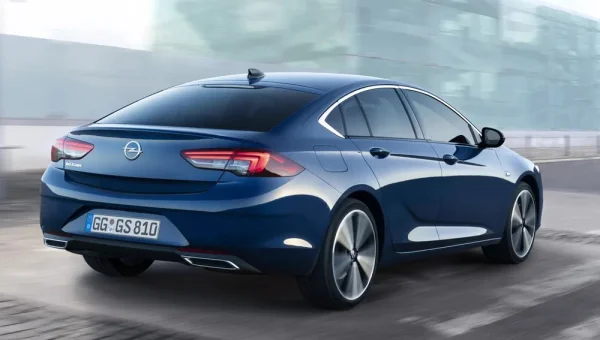
Opel CEO Settles Insignia's Future: No Return Anytime Soon
Opel CEO Florian Huettl confirmed there is no near-term project to develop a new Insignia generation. He said the car's segment has limited growth and does not justify major investment…
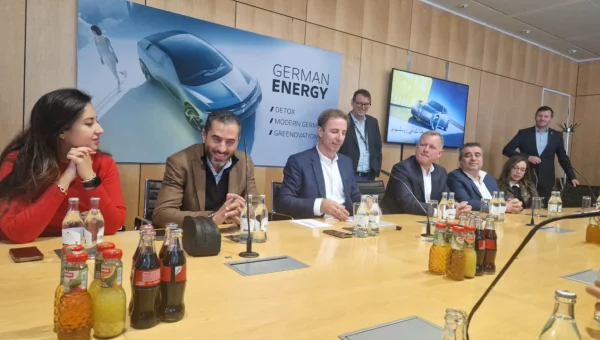
Opel Picks Historic Corsa Plant in Spain to Build New EV with Leapmotor
Opel has selected its Zaragoza plant in Spain to produce a new vehicle developed with China's Leapmotor, launching in 2028. The car belongs to the compact C-SUV segment and combines…
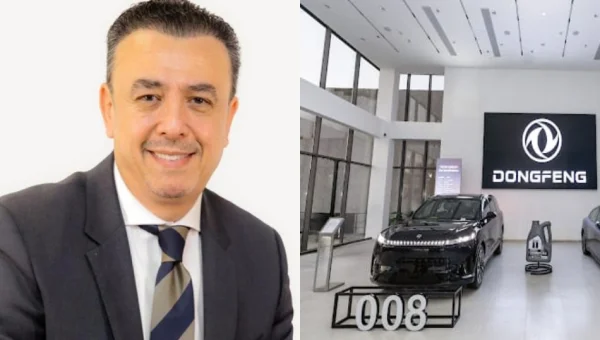
SN Automotive to Open New Branch in Alexandria, Expands Dongfeng Network Across Delta
SN Automotive, the authorized agent for Chinese brand Dongfeng in Egypt, has announced plans to open a new branch in Alexandria following the recent launch of a large facility in…
Opel CEO: I've Driven an EV for 3 Years and Only Need Public Chargers Twice a Month
Florian Huettl, CEO of Opel, has revealed that he has been driving a fully electric car for three years and uses public charging stations only once or twice a month…