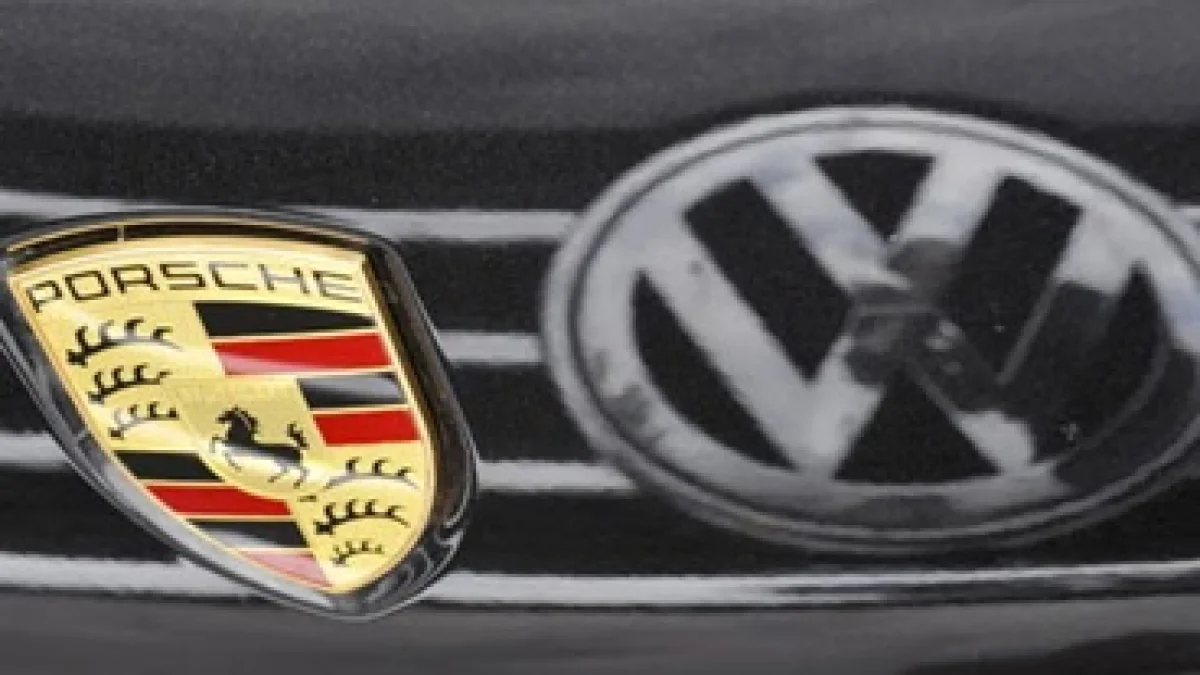
Volkswagen Ends Autonomous Driving Partnership with Bosch After €1.5 Billion Loss
Volkswagen is set to terminate its partnership with Bosch in the field of autonomous driving technology development, as part of a broader strategy to cut costs and enhance the company's competitiveness in the smart vehicle segment. This decision comes at a time when global automakers face mounting pressure to accelerate software development and intelligent driving technologies while simultaneously controlling expenses, amid fierce competition from Chinese manufacturers and technology giants.
A Partnership That Fell Short of Expectations
According to informed sources, the partnership that began in 2022 between Bosch and Cariad, the software unit of the Volkswagen Group, aimed to develop advanced driver-assistance and autonomous driving software for use across the group's brands. Despite substantial investments estimated at around €1.5 billion, the project failed to deliver the anticipated results. Internal evaluations concluded that the technology developed under this partnership still lagged behind the required competitive level in the market.
Volkswagen's Software Transformation Challenges
This move highlights the significant challenges Volkswagen faces in its software transformation and autonomous driving systems development, a critical area in the global automotive competition. As the industry gradually shifts focus from traditional engines and manufacturing to in-vehicle software and digital services, the German group finds itself compelled to reassess its strategies to avoid falling behind in the race for smart technologies.
According to reports, the partnership with Bosch will be terminated in accordance with the contractual terms agreed upon by both parties. This means Volkswagen will increasingly rely on its internal efforts or seek new partners to develop autonomous driving technologies. The decision comes amid growing dominance of Chinese companies such as Baidu and Huawei in the intelligent driving systems market, along with advances from companies like Tesla in this field.
German reports suggest that Volkswagen may redirect its investments toward developing more efficient internal software platforms, rather than relying on external partnerships that failed to deliver the required returns. Analysts believe this step may be necessary to maintain the group's competitiveness in the electric and smart vehicle market, but it simultaneously places additional pressure on the company to accelerate the pace of internal innovation.
Related News
View All News
Medhat Awad: Peugeot Combines Safety Tech and Reliability at Competitive Prices in Egypt
Medhat Awad, Managing Director of Mansco Automotive, affirmed that Peugeot cars stand out for their safety technology and reliability versus mere comfort features. He pointed to braking systems, torque, and…
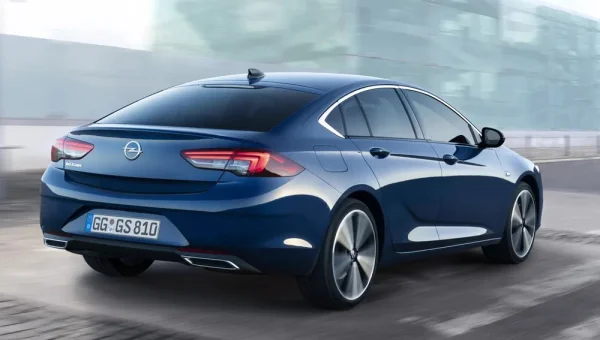
Opel CEO Settles Insignia's Future: No Return Anytime Soon
Opel CEO Florian Huettl confirmed there is no near-term project to develop a new Insignia generation. He said the car's segment has limited growth and does not justify major investment…
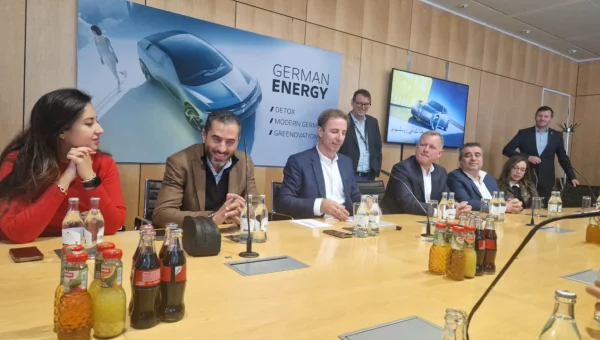
Opel Picks Historic Corsa Plant in Spain to Build New EV with Leapmotor
Opel has selected its Zaragoza plant in Spain to produce a new vehicle developed with China's Leapmotor, launching in 2028. The car belongs to the compact C-SUV segment and combines…
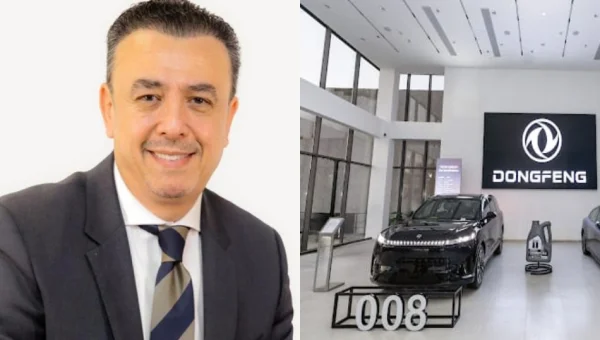
SN Automotive to Open New Branch in Alexandria, Expands Dongfeng Network Across Delta
SN Automotive, the authorized agent for Chinese brand Dongfeng in Egypt, has announced plans to open a new branch in Alexandria following the recent launch of a large facility in…
Opel CEO: I've Driven an EV for 3 Years and Only Need Public Chargers Twice a Month
Florian Huettl, CEO of Opel, has revealed that he has been driving a fully electric car for three years and uses public charging stations only once or twice a month…