


Volkswagen and Bosch End Autonomous Driving Partnership as Part of Cost-Cutting Plan
Volkswagen's software unit Cariad and Robert Bosch GmbH have officially ended their joint project to develop autonomous driving technologies. The decision comes as part of Volkswagen's strategic restructuring and accelerated cost-cutting efforts. In a joint statement, both companies confirmed that each party will retain access to the intellectual property and data developed during the collaboration, with the possibility of continuing to develop the technologies independently.
Partnership Background and Achievements
The partnership was launched in 2022 with the goal of developing driver assistance systems and autonomous driving software for use across Volkswagen Group brands. The termination means both companies will now work separately on the technologies they co-developed, benefiting from the shared intellectual assets accumulated over years of collaboration. Volkswagen CEO Oliver Blume stated that the alliance succeeded in building a strong technological foundation in automated driving.
Official Statements and Strategic Shift
Oliver Blume commented: "Cariad and Bosch have laid a solid technological foundation through the automated driving alliance. We will build on this foundation with a focus on speed, scalability, and rapid execution to serve our brands and customers." The end of the alliance reflects a shift in Volkswagen's strategy toward autonomous driving technology, with greater emphasis on accelerating software development and reducing expenses amid intensifying competition in smart vehicle and autonomous driving technologies.
Restructuring and Growing Pressures
The decision comes as Volkswagen intensifies a broad cost-cutting program in response to growing challenges including tariffs, weak global demand, and rising competition from Chinese automakers. German newspaper Bild first reported the end of the partnership, while earlier reports indicated that the group is considering expanding its job reduction program to include up to 100,000 positions, with the potential closure of four plants in Germany—a plan expected to face strong opposition from labor representatives.
The agreement also grants both companies greater flexibility to develop independent solutions and deploy the technologies developed during their collaboration, aligning with their future business strategies. This move is expected to accelerate innovation in autonomous driving while preserving each party's intellectual property rights, enabling both Volkswagen and Bosch to move faster in the growing smart technology market.
Related News
View All News
Medhat Awad: Peugeot Combines Safety Tech and Reliability at Competitive Prices in Egypt
Medhat Awad, Managing Director of Mansco Automotive, affirmed that Peugeot cars stand out for their safety technology and reliability versus mere comfort features. He pointed to braking systems, torque, and…
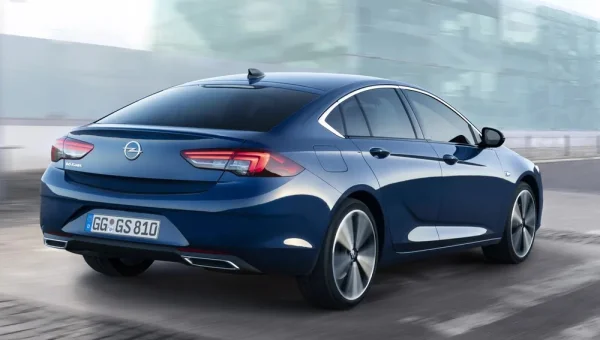
Opel CEO Settles Insignia's Future: No Return Anytime Soon
Opel CEO Florian Huettl confirmed there is no near-term project to develop a new Insignia generation. He said the car's segment has limited growth and does not justify major investment…
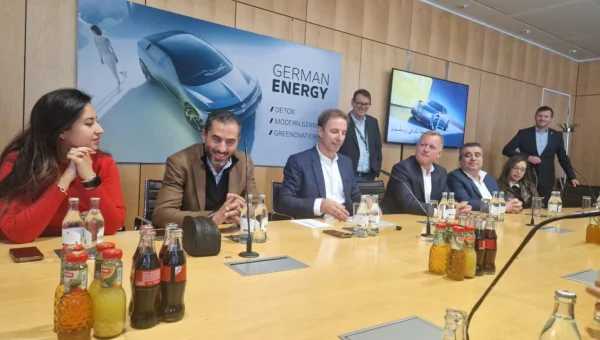
Opel Picks Historic Corsa Plant in Spain to Build New EV with Leapmotor
Opel has selected its Zaragoza plant in Spain to produce a new vehicle developed with China's Leapmotor, launching in 2028. The car belongs to the compact C-SUV segment and combines…
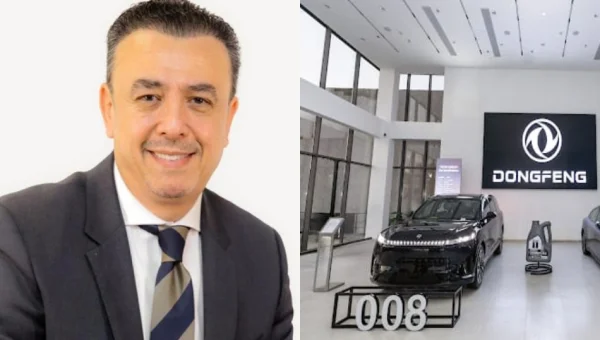
SN Automotive to Open New Branch in Alexandria, Expands Dongfeng Network Across Delta
SN Automotive, the authorized agent for Chinese brand Dongfeng in Egypt, has announced plans to open a new branch in Alexandria following the recent launch of a large facility in…
Opel CEO: I've Driven an EV for 3 Years and Only Need Public Chargers Twice a Month
Florian Huettl, CEO of Opel, has revealed that he has been driving a fully electric car for three years and uses public charging stations only once or twice a month…

