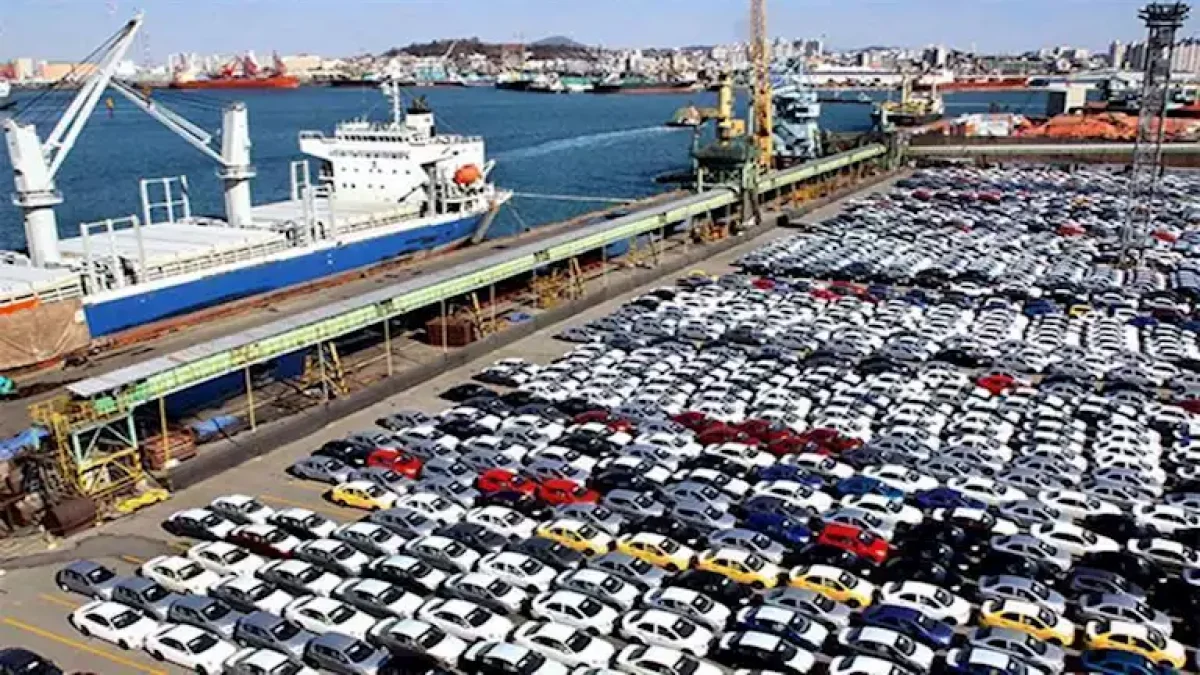
Unannounced Restrictions on Fully Built Car Imports Aim to Boost Local Assembly
Specialized reports indicate that the Egyptian Cabinet has quietly tightened procedures for importing fully built vehicles. These unannounced restrictions reportedly involve prolonging customs registration processes and prioritizing the allocation of foreign currency to importers of spare parts and production inputs. Observers believe this step is primarily aimed at bolstering local assembly and manufacturing industries while reducing dependency on imports.
Customs Clearance Challenges for Importers
According to market observers, several importers of fully built cars have faced significant difficulties in completing customs clearance for their incoming shipments. At the same time, shipments of production components and spare parts continue to pass through customs checkpoints smoothly and without notable obstacles. This governmental shift coincides with preparations by the Ministry of Finance and the Customs Authority to implement a new customs tariff on imported cars, scheduled to take effect by the end of next August.
Government Statements on Market Regulation
Khaled Hashem, Minister of Industry, confirmed during a seminar organized by the Egyptian Center for Economic Studies two weeks ago that the ministry aims primarily to "regulate and organize" the car import market. These statements have sparked widespread interpretations within the sector, with importers believing they reflect a gradual government trend to reduce reliance on imported cars, potentially compressing profit margins for companies operating in the import business.
On the other hand, government sources and local manufacturers view these indicators as a genuine desire by the state to localize the automotive industry and increase the percentage of local manufacturing, rather than relying almost entirely on importing fully built vehicles. They argue that this approach benefits the national economy in the long run by creating new job opportunities and facilitating technology transfer.
Strict Regulations Already in Place
The current restrictions are not entirely new, but rather build upon measures that began earlier this year. Since the start of the year, importing Chinese cars has been restricted to official agents and authorized companies only, who are now obligated to provide after-sales services and expand the local manufacturing of certain components. According to sources at the Ministry of Industry, this measure came in response to requirements from Chinese manufacturers, who limited warranty coverage to cars imported through their official agents.
This followed the spread of importing cars originally designated for other markets that do not meet the required technical specifications for the Egyptian market, negatively impacting brand reputations and raising concerns about consumer safety. Developments in this file continue amid anticipation from all market stakeholders for further government clarifications regarding the future of car import policy in Egypt.
Related News
View All News
Medhat Awad: Peugeot Combines Safety Tech and Reliability at Competitive Prices in Egypt
Medhat Awad, Managing Director of Mansco Automotive, affirmed that Peugeot cars stand out for their safety technology and reliability versus mere comfort features. He pointed to braking systems, torque, and…
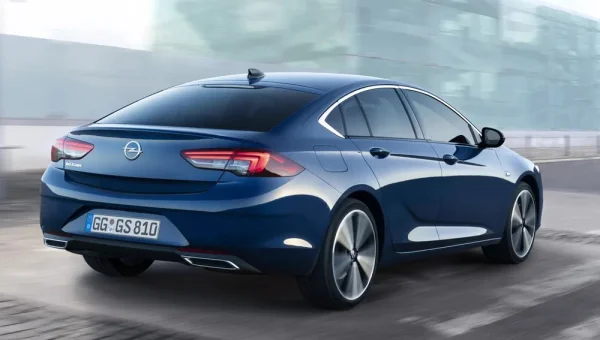
Opel CEO Settles Insignia's Future: No Return Anytime Soon
Opel CEO Florian Huettl confirmed there is no near-term project to develop a new Insignia generation. He said the car's segment has limited growth and does not justify major investment…
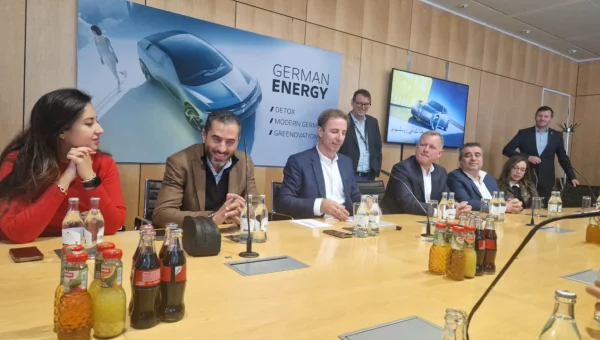
Opel Picks Historic Corsa Plant in Spain to Build New EV with Leapmotor
Opel has selected its Zaragoza plant in Spain to produce a new vehicle developed with China's Leapmotor, launching in 2028. The car belongs to the compact C-SUV segment and combines…
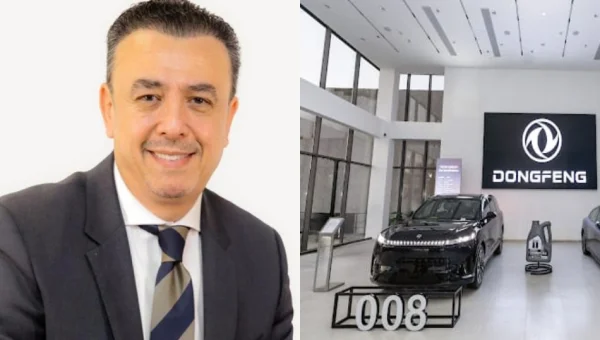
SN Automotive to Open New Branch in Alexandria, Expands Dongfeng Network Across Delta
SN Automotive, the authorized agent for Chinese brand Dongfeng in Egypt, has announced plans to open a new branch in Alexandria following the recent launch of a large facility in…
Opel CEO: I've Driven an EV for 3 Years and Only Need Public Chargers Twice a Month
Florian Huettl, CEO of Opel, has revealed that he has been driving a fully electric car for three years and uses public charging stations only once or twice a month…