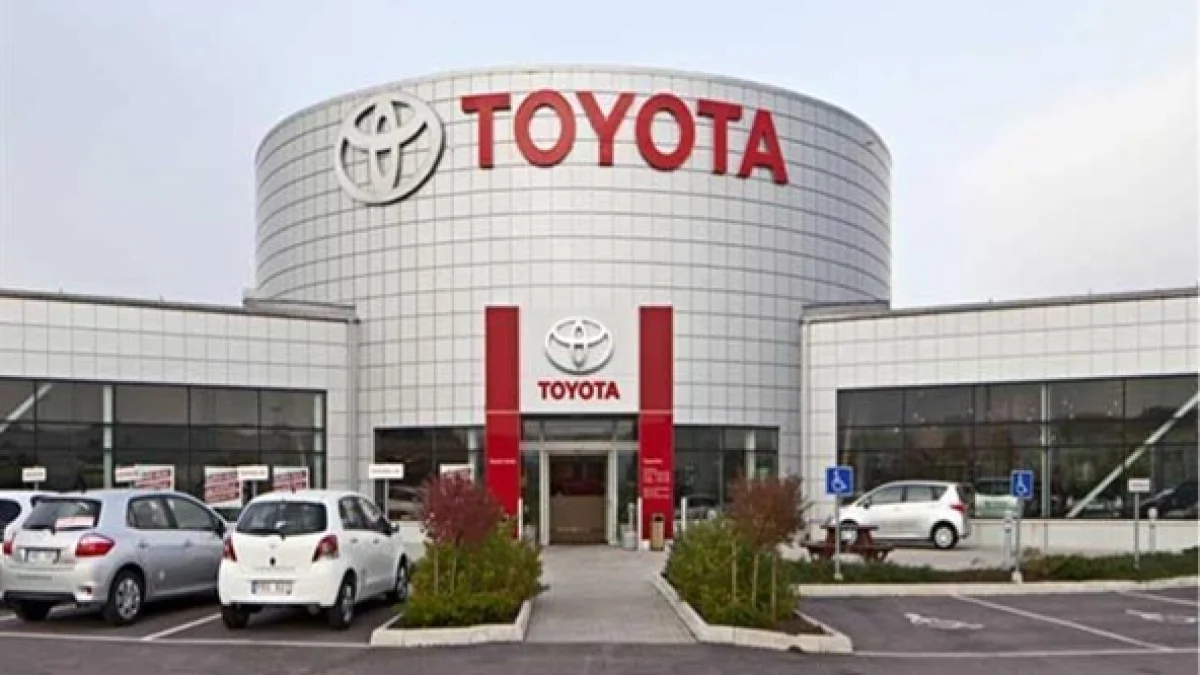
Toyota Under Tariff and War Pressure: 5 Consecutive Quarters of Operating Profit Decline
The numbers are sobering. Toyota is facing a severe test that shakes the foundation of the world's largest automaker by sales volume, as US tariffs, Middle East turmoil, and soaring energy and shipping costs converge with declining sales in key markets to squeeze profit margins. The Japanese giant still moves millions of vehicles globally, but that's no longer enough to shield its financial results.
A Fifth Consecutive Quarterly Fall
The latest results reveal an uncomfortable truth. Operating profit in the first quarter of the fiscal year ending March 2027 fell roughly 9% year-on-year to around 1.06 trillion yen — marking the fifth straight quarter of operating profit decline compared to the same period a year earlier. It's a troubling trend that hasn't appeared with such regularity in years, and the market is watching nervously.
An Optimistic Forecast Amid the Storm
Yet the company raised its full-year operating profit outlook by about 13% to 3.4 trillion yen, capitalizing mainly on a weaker Japanese yen and improved capacity to contain some fallout from the war and supply chain disruptions. A bold move that could either vindicate the management or backfire if risks escalate further in the coming months. Still, this level remains under pressure from a cluster of risks largely beyond the company's control, keeping investors on edge.
US Tariffs Open a New Front
Washington tops the list of concerns. The United States represents one of the most critical worry zones for Toyota, given the tariffs imposed on imported vehicles and components and the direct cost hikes these create for manufacturers relying on cross-border production and supply networks. On American highways, the strain is visible with every imported vehicle crossing into the market.
Toyota is trying to ease these pressures by boosting local production and reorganizing its industrial operations across North America, alongside new investments within US borders. But tariffs remain a persistent drag on the profitability of imported vehicles and components originating from outside the American market, with no clear end in sight for these volatile trade policies. Tactical responses may soften the blow, yet they won't make it disappear.
Although it managed to improve its North American business results in the last quarter, US sales growth stayed muted at roughly 1% amid fierce competition among automakers on pricing, incentives, and production costs. The figure reflects a grinding battle to hold market share in a vital market facing headwinds that could strengthen with any new tariff escalation. The road ahead for profitability in this region remains bumpy at best.
The Middle East: A Painful Line Item
Pressure isn't coming from the US market alone. The war in the Middle East has become a direct and significant factor in Toyota's calculations, with company sales in the region dropping by about a third in the latest period. Shipping operations have been disrupted and transport and energy costs have risen abruptly, forcing the Japanese automaker to switch to alternative overland routes to mitigate the impact of disrupted sea lanes. The toll now extends beyond sales to the entire global supply chain. That is paying the price through longer, costlier routes — a burden that translates directly into margins that are increasingly difficult to defend.
Related News
View All News
Global Auto Opens New BMW and MINI Showroom in New Cairo
Global Auto Group has opened a new showroom for BMW and MINI in the Fifth Settlement of New Cairo. The 1,000-square-meter facility holds eight cars and brings the two brands…

10,000 Orders in 4 Minutes: How Sky Nomad Became Xiaomi's Last Hope for 550,000 Units
Xiaomi recorded over 10,000 confirmed orders for its Sky Nomad series within four minutes of launch. The new models, marking the company's first entry into the extended-range EV segment, pushed…
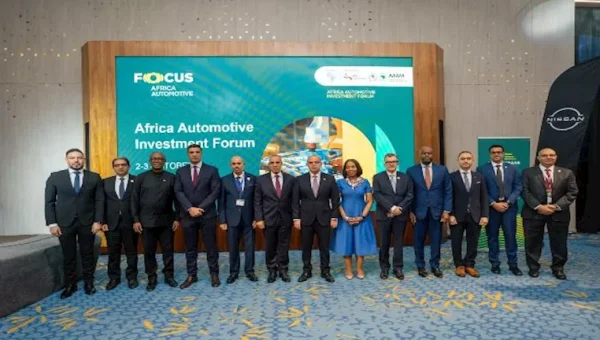
African Automakers Association President Urges Faster Implementation of Free Trade Agreement with 40% Rules of Origin
Tarek Moussa, President of the African Association of Automotive Manufacturers (AAAM), has urged governments and the private sector to accelerate the implementation of the African Continental Free Trade Area agreement…
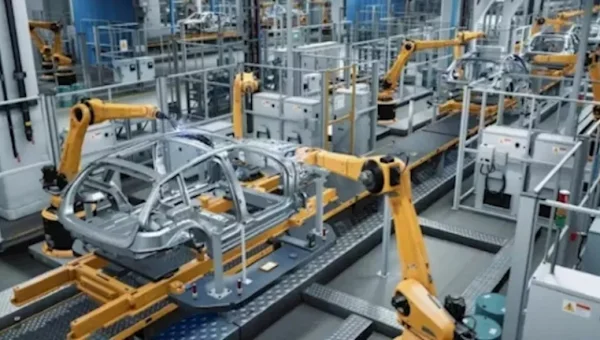
Egypt Localizes Auto Parts: Al-Araby and Malben JV Targets 60% Local Content
Al-Araby Group signed a joint venture with South Africa's Malben Engineering to manufacture automotive components in Egypt. The deal aims to raise local content in passenger cars from 45% to…

Social Media 'Court' Haunts Car Companies and Dealerships in Egypt
Social media platforms have become an arena for holding car companies and dealerships in Egypt accountable, with some customers posting accusations of wasted rights or fraud. Journalist Hisham El-Ziny said…