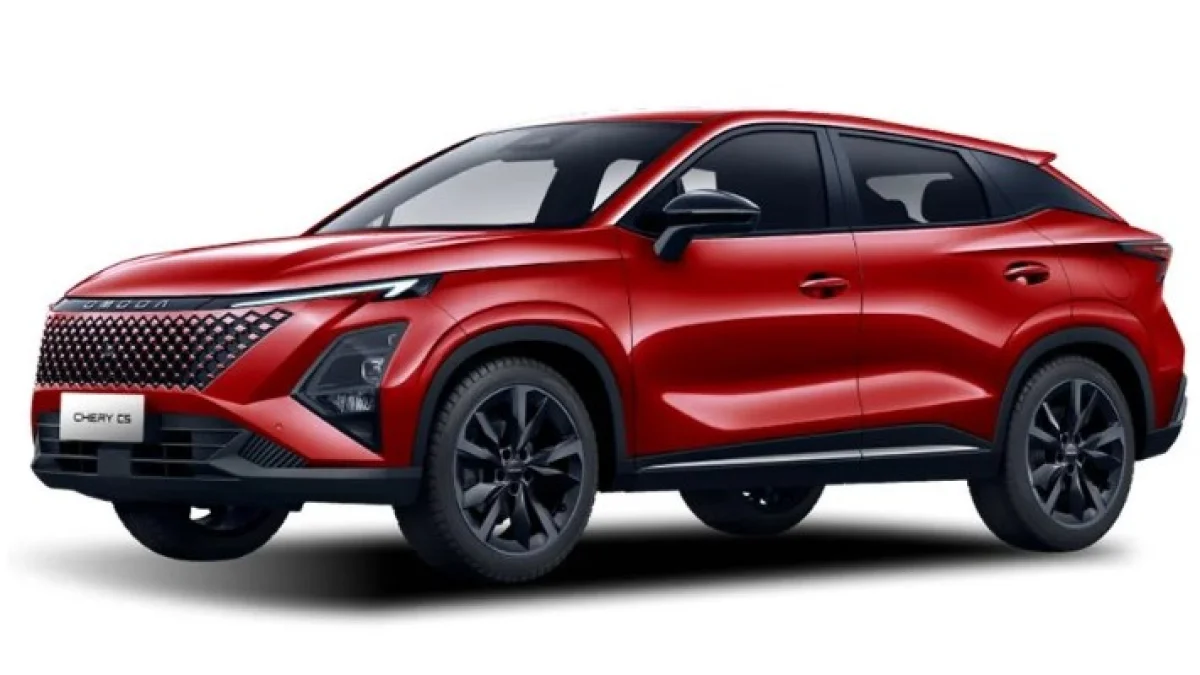
Chinese OMODA Brand Appears in Egypt’s Vehicle Registration Lists Ahead of Official Launch
The Chinese automotive brand OMODA has appeared in Egypt’s vehicle registration lists during the past month of June, after a single unit of the C5 model was registered at one of the traffic departments, according to a report issued by the Egyptian Motor Vehicle Insurance Pool. This appearance comes as both OMODA and JAECOO brands approach their official entry into the Egyptian market under the umbrella of El Arabi El Sewedy Company in the coming months, indicating intensified preparations for actual market operations.
Strategic Agency Agreement with Chery
El Arabi El Sewedy Investments (ESI) had announced the signing of a strategic agency agreement with the Chinese Chery Group, making it the official distributor for both OMODA and JAECOO brands in Egypt. This move is part of a joint plan aimed at strengthening the group’s presence in the automotive sector, while expanding into the new energy vehicle market, starting from Egypt toward other regional markets. The agreement grants El Arabi El Sewedy the rights to market and sell the latest models from both brands, including internal combustion vehicles, hybrids, and electric cars.
Expected Models and After-Sales Services
Under the agreement, El Arabi El Sewedy will launch OMODA and JAECOO vehicles in Egypt, focusing on meeting the growing demand for new energy vehicles. The plan also includes providing after-sales services and original spare parts from the start of operations, boosting customer confidence in the two new brands. The model that appeared in the registration lists, the OMODA C5, represents the first step of actual presence in the Egyptian market, and is expected to be followed by other models catering to different segments.
Final Preparations for Launch
Informed sources confirmed that El Arabi El Sewedy Company is currently putting the final touches on preparations for launching OMODA and JAECOO brands in the local market, likely during August or September. Preparations include equipping dedicated showrooms for both brands, as well as service centers that will welcome customers with sufficient spare parts inventory. This new network aims to ensure a distinguished customer experience from day one.
The entry of OMODA and JAECOO into Egypt is expected to mark a qualitative shift in the automotive sector, especially with their focus on new energy and hybrid vehicles, aligning with the Egyptian market’s trend toward more fuel-efficient and environmentally friendly solutions. The collaboration with Chery, which has extensive experience in this field, gives both brands a strong competitive edge in the local market, especially amid rising demand for vehicles equipped with advanced technologies.
Related News
View All News
Medhat Awad: Peugeot Combines Safety Tech and Reliability at Competitive Prices in Egypt
Medhat Awad, Managing Director of Mansco Automotive, affirmed that Peugeot cars stand out for their safety technology and reliability versus mere comfort features. He pointed to braking systems, torque, and…
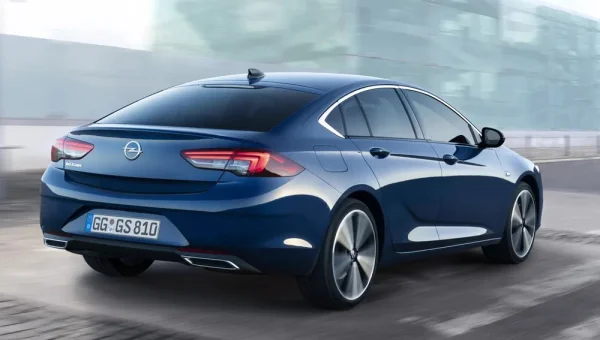
Opel CEO Settles Insignia's Future: No Return Anytime Soon
Opel CEO Florian Huettl confirmed there is no near-term project to develop a new Insignia generation. He said the car's segment has limited growth and does not justify major investment…
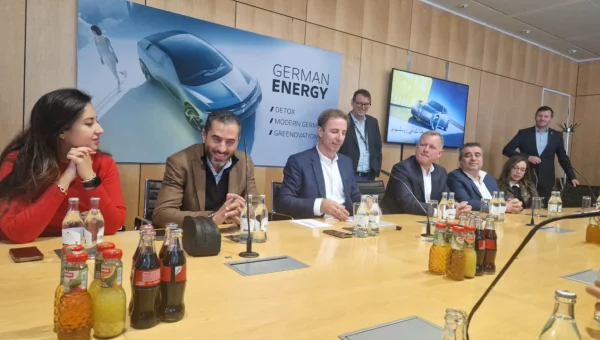
Opel Picks Historic Corsa Plant in Spain to Build New EV with Leapmotor
Opel has selected its Zaragoza plant in Spain to produce a new vehicle developed with China's Leapmotor, launching in 2028. The car belongs to the compact C-SUV segment and combines…
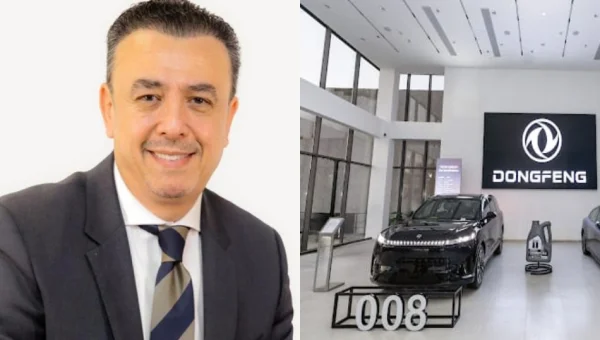
SN Automotive to Open New Branch in Alexandria, Expands Dongfeng Network Across Delta
SN Automotive, the authorized agent for Chinese brand Dongfeng in Egypt, has announced plans to open a new branch in Alexandria following the recent launch of a large facility in…
Opel CEO: I've Driven an EV for 3 Years and Only Need Public Chargers Twice a Month
Florian Huettl, CEO of Opel, has revealed that he has been driving a fully electric car for three years and uses public charging stations only once or twice a month…