Industrial Clusters: Egypt's Path to Regional Leadership in Automotive Manufacturing
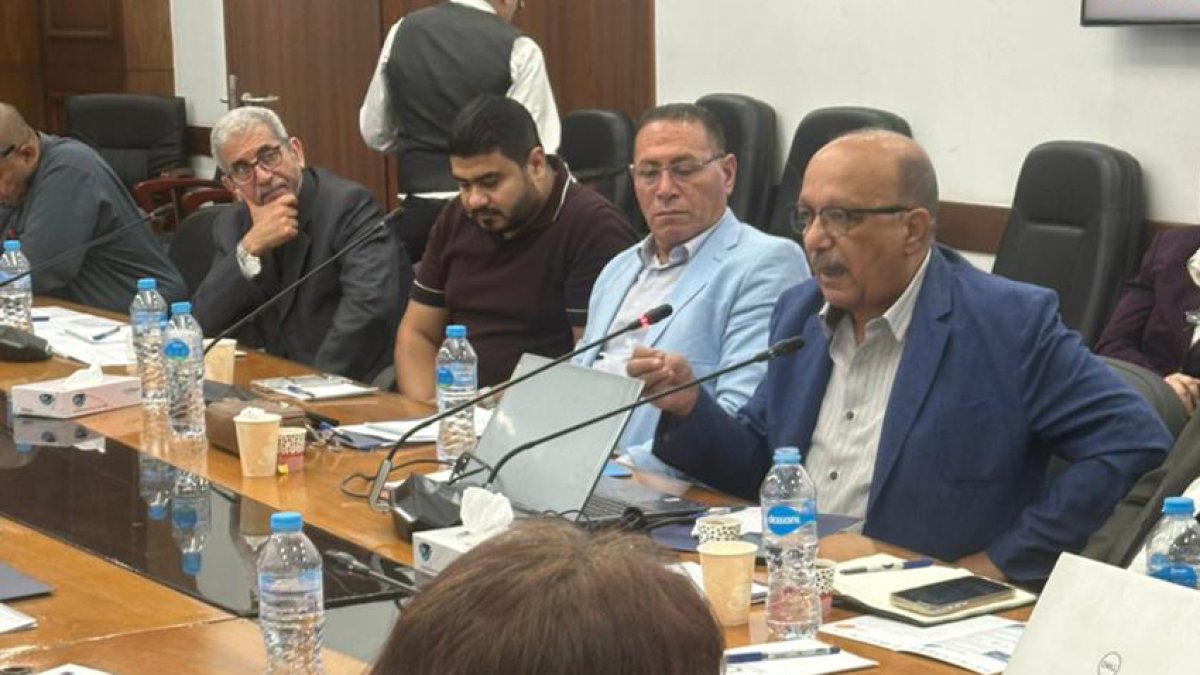
Engineer Bahaa Dimitri, member of the Engineering Industries Chamber at the Federation of Egyptian Industries, welcomed a proposal by the United Nations Industrial Development Organization (UNIDO) to establish and develop sustainable industrial and economic clusters in Egypt. His remarks came during a workshop organized by UNIDO at the Federation's headquarters, titled 'Enhancing Cooperation, Management, and Sustainability in Economic Clusters,' which discussed mechanisms for utilizing an EU grant designated to support production clusters across several industrial sectors.
A Sustainable Economic Model for Competitiveness
Dimitri emphasized that the success of industrial clusters requires a sustainable economic model based on self-generated revenue, ensuring the continuity of services and activities without full reliance on grants and external support. He noted that this approach represents a significant step toward enhancing the long-term competitiveness of Egyptian industry.
Building on the Federation's Organizational Structure
Dimitri explained that the Federation of Egyptian Industries possesses a strong organizational foundation that can be leveraged through its specialized divisions and various industrial chambers. This structure can facilitate the creation of effective economic clusters that promote integration among companies and factories while ensuring their sustainability. He also highlighted the important role UNIDO can play in providing technical support and necessary training programs to manage these clusters.
Automotive Industry at the Forefront
Dimitri pointed out that Egypt's automotive industry is among the sectors best positioned to benefit from the industrial cluster model, particularly given the need to enhance integration between component manufacturers, production companies, and industrial service providers. He stressed that such integration would increase the percentage of local content, deepen domestic manufacturing, and reduce reliance on imports.
Activating Existing Clusters and Utilizing Idle Capacity
Dimitri underscored the necessity of activating existing clusters and making use of underutilized production capacities within Egyptian factories. This requires regulatory mechanisms that allow for the exchange of capabilities and services between companies while protecting the rights of all parties. He affirmed that this approach can add significant value to supply chains in the automotive sector and other engineering industries.
Clear Role Definition as a Success Factor
Dimitri stressed the importance of defining roles between industrial clusters, federations, and industry councils to ensure integration and avoid overlap or conflict of responsibilities. He noted that successful clusters require a clear organizational structure, a defined work strategy, and measurable and monitorable implementation plans.
Related News
View All News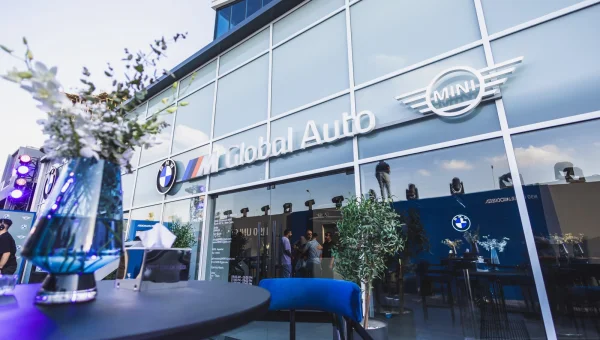
Global Auto Opens New BMW and MINI Showroom in New Cairo
Global Auto Group has opened a new showroom for BMW and MINI in the Fifth Settlement of New Cairo. The 1,000-square-meter facility holds eight cars and brings the two brands…

10,000 Orders in 4 Minutes: How Sky Nomad Became Xiaomi's Last Hope for 550,000 Units
Xiaomi recorded over 10,000 confirmed orders for its Sky Nomad series within four minutes of launch. The new models, marking the company's first entry into the extended-range EV segment, pushed…
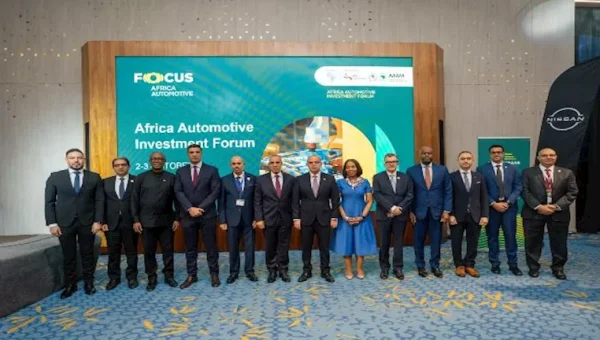
African Automakers Association President Urges Faster Implementation of Free Trade Agreement with 40% Rules of Origin
Tarek Moussa, President of the African Association of Automotive Manufacturers (AAAM), has urged governments and the private sector to accelerate the implementation of the African Continental Free Trade Area agreement…
Egypt Localizes Auto Parts: Al-Araby and Malben JV Targets 60% Local Content
Al-Araby Group signed a joint venture with South Africa's Malben Engineering to manufacture automotive components in Egypt. The deal aims to raise local content in passenger cars from 45% to…

Social Media 'Court' Haunts Car Companies and Dealerships in Egypt
Social media platforms have become an arena for holding car companies and dealerships in Egypt accountable, with some customers posting accusations of wasted rights or fraud. Journalist Hisham El-Ziny said…