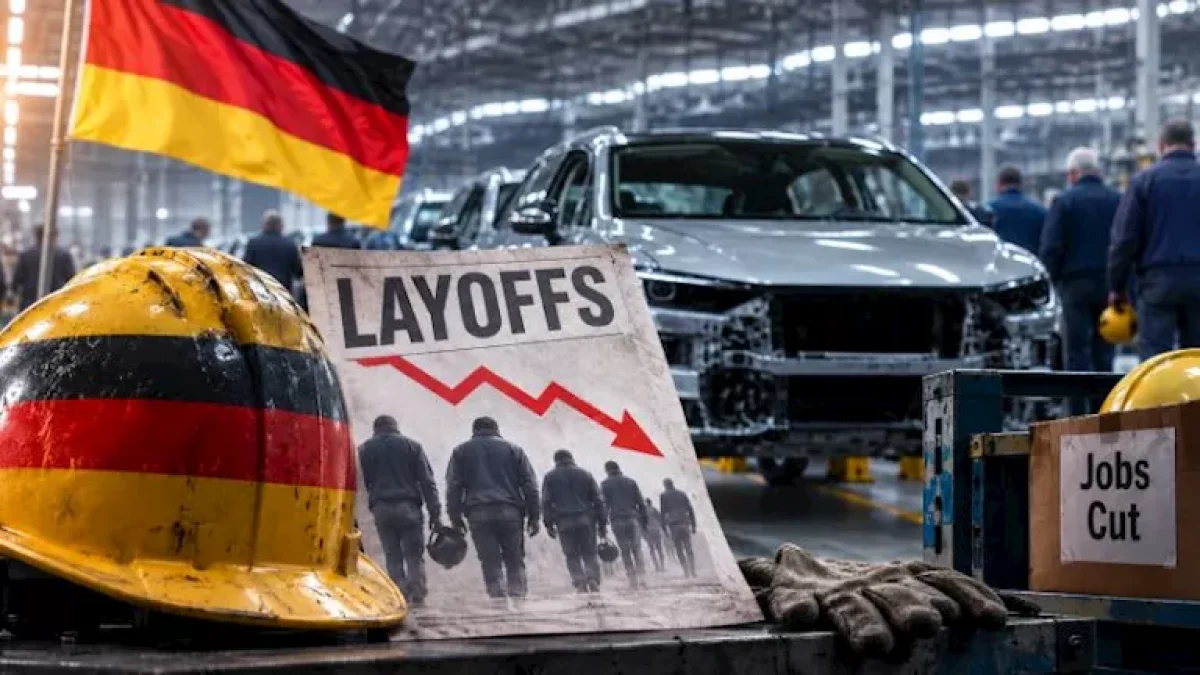
Germany's auto industry bleeds 42,000 jobs in a single year
Germany's automotive sector has lost 42,300 jobs in just one year. Official data from the Federal Statistical Office paints a stark picture — the industry now sits at its lowest employment level in over two decades. The bleeding shows no signs of stopping.
Dramatic employment numbers
By the end of the first half of 2026, the German auto industry employed around 691,500 people. That marks the lowest workforce count since 2005, with a 5.8% year-on-year decline — a faster pace than most other industrial sectors in the country. These figures reflect a crisis of major proportions for an industry that once powered Europe's largest economy.
Yet the problem isn't confined to the auto sector alone. Germany's entire manufacturing industry lost 2.7% of its workforce during the same period, leaving around 5.29 million employees. Still, the automotive industry remains the country's second-largest industrial employer, trailing only machinery manufacturing. That provides about 905,900 jobs.
Suppliers take the biggest hit
Auto parts and accessories suppliers have been hit hardest by the wave of job cuts, with employment falling by 7.6%. Vehicle manufacturers themselves saw a 6.1% drop in their workforce over the year, while the body, vehicle, and trailer manufacturing segment bucked the trend — rising 10% to reach 42,800 employees.
A bleak outlook ahead
The current decline comes after years of mounting pressures, from soaring production costs to intensifying global competition and the industry's deep structural transformation. With these pressures persisting, the German Automotive Industry Association had warned back in May of a potential loss of up to 225,000 jobs by 2035. Nothing has changed since then.
That warning wasn't made in a vacuum. Automakers and suppliers are confronting existential challenges tied to the shift toward electric vehicles, cost-cutting pressures. A softening market environment. Sluggish demand in key markets and rising Asian competition add further uncertainty to the industry's future in Germany. The bleeding hasn't stopped, and no clear answer has emerged on how to halt it.
Related News
View All News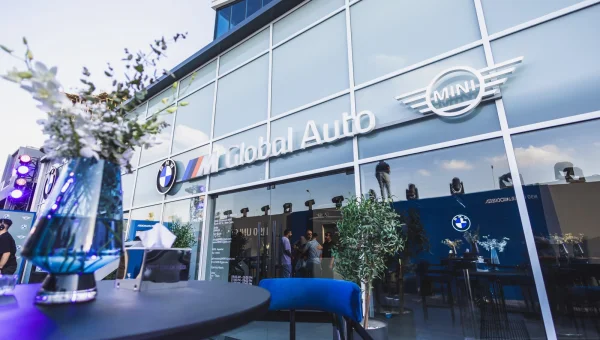
Global Auto Opens New BMW and MINI Showroom in New Cairo
Global Auto Group has opened a new showroom for BMW and MINI in the Fifth Settlement of New Cairo. The 1,000-square-meter facility holds eight cars and brings the two brands…
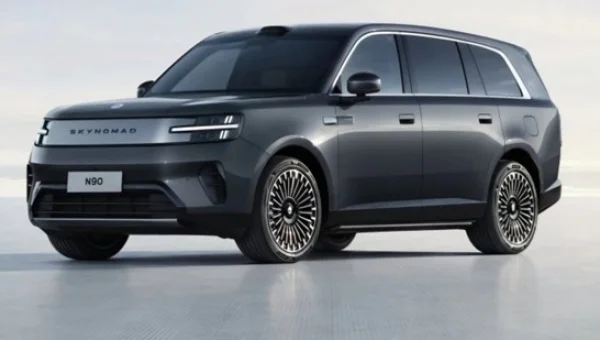
10,000 Orders in 4 Minutes: How Sky Nomad Became Xiaomi's Last Hope for 550,000 Units
Xiaomi recorded over 10,000 confirmed orders for its Sky Nomad series within four minutes of launch. The new models, marking the company's first entry into the extended-range EV segment, pushed…
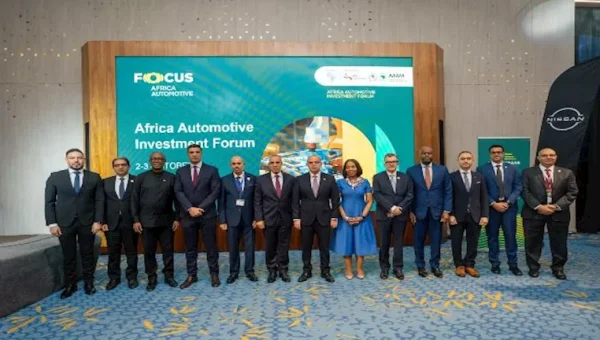
African Automakers Association President Urges Faster Implementation of Free Trade Agreement with 40% Rules of Origin
Tarek Moussa, President of the African Association of Automotive Manufacturers (AAAM), has urged governments and the private sector to accelerate the implementation of the African Continental Free Trade Area agreement…
Egypt Localizes Auto Parts: Al-Araby and Malben JV Targets 60% Local Content
Al-Araby Group signed a joint venture with South Africa's Malben Engineering to manufacture automotive components in Egypt. The deal aims to raise local content in passenger cars from 45% to…

Social Media 'Court' Haunts Car Companies and Dealerships in Egypt
Social media platforms have become an arena for holding car companies and dealerships in Egypt accountable, with some customers posting accusations of wasted rights or fraud. Journalist Hisham El-Ziny said…