German Auto Giants Stumble as Profit Decline Squeezes European Automakers
Major German automotive manufacturers are navigating one of the most challenging periods in their modern history. Recent financial disclosures reveal a significant drop in profits across several leading producers, driven by a slowing global economy, intense competition from China, and the capital-intensive transition to electric vehicles.
Electric Vehicle Transition Strains Profit Margins
Despite injecting billions of euros into electric vehicle development, this transitional phase remains a massive financial burden. Substantial investments in battery technology, software, and new infrastructure have compressed profit margins. Furthermore, automakers are being forced to slash prices and offer incentives to counter the aggressive pricing strategies of Chinese competitors. Consequently, electric vehicles are currently generating lower returns compared to the traditional luxury internal combustion engine models that have been the cornerstone of German automotive success for decades.
The Chinese Market Threat
The Chinese market has emerged as the most formidable challenge for German automakers. Domestic manufacturers such as BYD, Nio, and Xpeng have successfully introduced technologically advanced electric vehicles at more accessible price points, featuring bolder digital innovations. Reports indicate that several German marques have lost a portion of their market share in China—a region that has historically been a primary engine for their revenue and expansion.
Surging Production Costs
Beyond fierce market competition, the German automotive industry is grappling with soaring energy, manufacturing, and labor costs within Europe. This disparity directly impacts vehicle production costs when compared to Asian rivals. Additionally, companies are navigating ongoing supply chain disruptions and fluctuating raw material prices essential for battery production and advanced technologies.
Volkswagen Faces Restructuring Pressures
Volkswagen is among the manufacturers under the most intense scrutiny, currently executing cost-reduction and restructuring initiatives across several of its European facilities. While the German conglomerate is accelerating its software and new electric vehicle development, it faces criticism regarding delays in certain technological projects compared to its rivals.
Mercedes-Benz and BMW Pivot to Ultra-Luxury
In contrast, Mercedes-Benz and BMW are strategizing to protect their profit margins by shifting their focus toward high-priced luxury vehicles. Both marques are heavily prioritizing the premium segments, particularly in luxury sedans and high-end electric SUVs, to sustain their financial performance amidst the industry-wide downturn.
Related News
View All News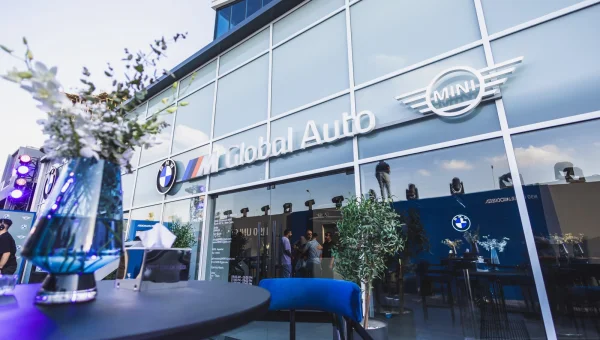
Global Auto Opens New BMW and MINI Showroom in New Cairo
Global Auto Group has opened a new showroom for BMW and MINI in the Fifth Settlement of New Cairo. The 1,000-square-meter facility holds eight cars and brings the two brands…
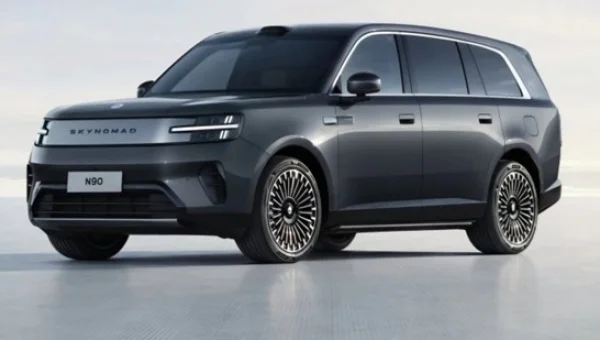
10,000 Orders in 4 Minutes: How Sky Nomad Became Xiaomi's Last Hope for 550,000 Units
Xiaomi recorded over 10,000 confirmed orders for its Sky Nomad series within four minutes of launch. The new models, marking the company's first entry into the extended-range EV segment, pushed…
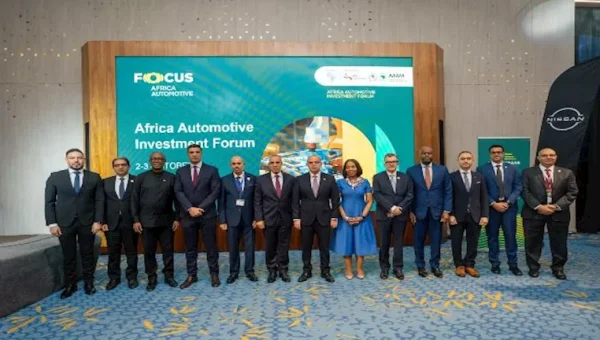
African Automakers Association President Urges Faster Implementation of Free Trade Agreement with 40% Rules of Origin
Tarek Moussa, President of the African Association of Automotive Manufacturers (AAAM), has urged governments and the private sector to accelerate the implementation of the African Continental Free Trade Area agreement…
Egypt Localizes Auto Parts: Al-Araby and Malben JV Targets 60% Local Content
Al-Araby Group signed a joint venture with South Africa's Malben Engineering to manufacture automotive components in Egypt. The deal aims to raise local content in passenger cars from 45% to…

Social Media 'Court' Haunts Car Companies and Dealerships in Egypt
Social media platforms have become an arena for holding car companies and dealerships in Egypt accountable, with some customers posting accusations of wasted rights or fraud. Journalist Hisham El-Ziny said…