Egypt Announces New Incentives to Localize Auto Industry and Attract German Companies
Egypt's Minister of Industry announced new incentives under the National Automotive Industry Development Program, tying benefits to increased local content and localization of feeder industries. The move came during a roundtable with German companies, attended by Germany's ambassador and the head of the German-Arab Chamber. The ministry is introducing a 'Qeema' certificate to evaluate factories and link incentives to manufacturing, technology, and training efforts. The steps aim to attract new investments in tires and EV batteries.
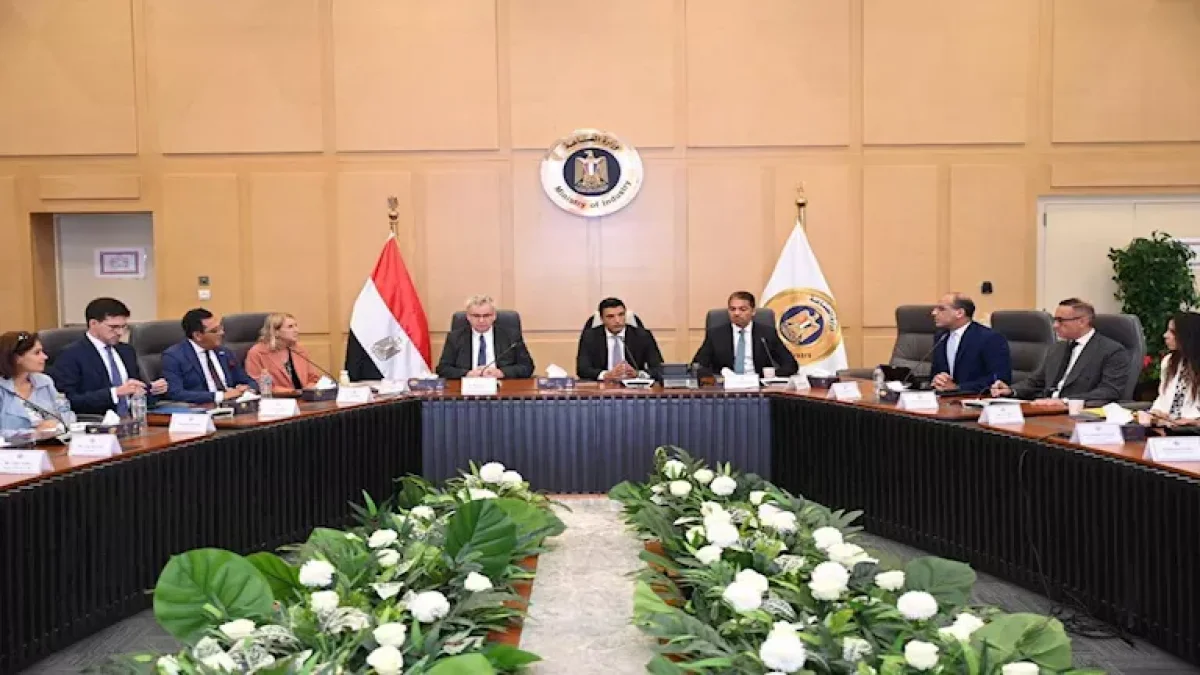
Egypt's Minister of Industry, Khaled Hachim, announced that the National Automotive Industry Development Program is a key pillar for attracting major global brands to the Egyptian market. The announcement came during a roundtable hosted by the ministry for German industrial companies, attended by Jürgen Scholz, Germany's ambassador to Egypt, and Mostafa El-Bagoury, head of the German-Arab Chamber of Industry and Commerce. The message is clear.
Incentives Linked to Local Content
The investment incentives offered by the automotive industry program are directly tied to increasing local content and localizing feeder industries and supply chains. The more local content an investor uses, the greater the benefits—whether for conventional or electric vehicles.
New Investments in Tires and Batteries
Recent months have seen new investments from global companies in Egypt, covering tire manufacturing, EV batteries, and production lines. The ministry is also running a program to develop local suppliers and boost their efficiency, with incentives encouraging major companies to qualify suppliers and integrate them into global supply chains. The numbers haven't been disclosed yet.
'Qeema' Certificate to Evaluate Factories
The ministry is introducing a 'Qeema' certificate to assess industrial facilities. This certificate links benefits and incentives to factories' efforts in increasing local content, deepening manufacturing, developing suppliers, investing in technology and R&D, and hiring and training workers.
What It Means for the Egyptian Car Market
In the medium term, these incentives could lower local production costs, impacting car prices in the Egyptian market. They may also attract major German brands like Volkswagen, BMW. Mercedes to expand local manufacturing. Competition will heat up.
The Egyptian government has sought to localize car manufacturing for years, but challenges related to supply chains and technology persist. These new incentives may be the most serious step yet.
Frequently Asked Questions
3 questions answered
Related News
View All News
Hongqi Egypt Dealer FBB Motors Denies Acquisition Rumors, Affirms Business as Usual
FBB Motors, the exclusive dealer for Hongqi in Egypt, has denied recent rumors about an acquisition of the Chinese brand's dealership. The company confirmed that all showrooms and service centers…
Ezz Elarab Elsewedy Targets 25,000 Vehicles in 2027 with 150% Growth
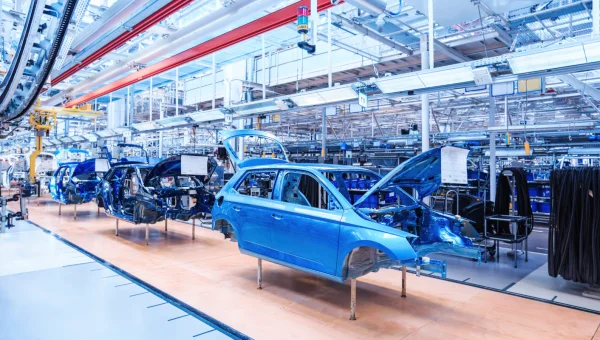
Ezz Elarab Elsewedy Group announced plans to manufacture 25,000 vehicles in 2027, a 150% increase over the estimated 10,000 units in 2026. The company aims to reach 40,000 vehicles within…
BAIC Prepares New Model Launches in Egypt Through Alkan Auto
Alkan Auto, the Egyptian distributor of Chinese brand BAIC, has announced it is preparing to launch new models in the local market. The move is part of a strategy to…
Kaiyi Renews Egyptian Agency for 5 Years, Invests EGP 1 Billion to Launch 3 New Cars in 2027
Kaiyi Motors Egypt has extended its agency contract with the parent company for an additional 5 years and announced investments exceeding EGP 1 billion in the Egyptian market. The company…
One Truck Every 3 Minutes: Inside Mercedes-Benz's Largest Truck Plant in the World
The Mercedes-Benz plant in Wörth, Germany, produces a new truck every 3 minutes, with peak output reaching 470 trucks per day. The facility spans nearly 3 million square meters and…