
Three Companies Seek to Export Cars from Egypt to Foreign Markets
Egypt's automotive industry is entering a new phase as three car companies submitted requests to the Ministry of Industry to begin exporting their production to foreign markets. This step reflects a gradual shift from relying on the domestic market to targeting regional markets, in line with a government strategy aimed at transforming Egypt into a regional hub for car manufacturing and export.
Companies Ready for Export
The list of companies that submitted export requests includes Nissan Egypt and General Motors, in addition to a third company whose name has not been revealed yet. These companies aim to export between 10,000 and 30,000 cars during the first year, gradually increasing volumes to reach a target of 100,000 cars annually by 2030, according to a report published by Bloomberg Asharq.
Egypt's Automotive Industry in Transition
This move represents a significant development in the local automotive industry, as factories are no longer focused solely on meeting the needs of the Egyptian market. They are beginning to compete in foreign markets, especially Arab and African markets, which strengthens Egypt's position as a regional production and export center. Expanding exports also gives factories an opportunity to increase operating rates and better utilize their production capacities, which helps reduce production costs in the medium term and increases companies' ability to implement new investments and expand production lines.
Impact of Exports on the Local Market
Although exporting part of the production may raise questions about the possibility of reduced supply in the Egyptian market, current indicators suggest that this scenario is less likely. The government strategy relies primarily on increasing factories' production capacity, not on redirecting cars intended for the local market to export. This means that cars destined for foreign markets will come in parallel with higher production volumes inside Egypt.
With expanded production lines and new factories coming into service, the local market is expected to see greater stability in supply volumes, which may contribute to reducing price pressures, especially with increased competition among companies in the coming years. This step represents a qualitative leap for Egypt's automotive sector, as companies transition from local assembly to export-oriented production, enhancing growth and investment opportunities in this vital sector.
Related News
View All News
Medhat Awad: Peugeot Combines Safety Tech and Reliability at Competitive Prices in Egypt
Medhat Awad, Managing Director of Mansco Automotive, affirmed that Peugeot cars stand out for their safety technology and reliability versus mere comfort features. He pointed to braking systems, torque, and…
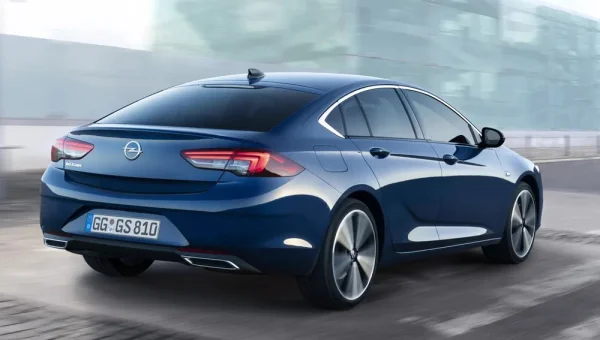
Opel CEO Settles Insignia's Future: No Return Anytime Soon
Opel CEO Florian Huettl confirmed there is no near-term project to develop a new Insignia generation. He said the car's segment has limited growth and does not justify major investment…
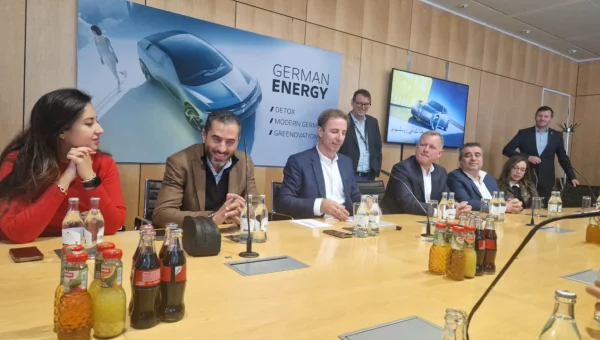
Opel Picks Historic Corsa Plant in Spain to Build New EV with Leapmotor
Opel has selected its Zaragoza plant in Spain to produce a new vehicle developed with China's Leapmotor, launching in 2028. The car belongs to the compact C-SUV segment and combines…

SN Automotive to Open New Branch in Alexandria, Expands Dongfeng Network Across Delta
SN Automotive, the authorized agent for Chinese brand Dongfeng in Egypt, has announced plans to open a new branch in Alexandria following the recent launch of a large facility in…

Opel CEO: I've Driven an EV for 3 Years and Only Need Public Chargers Twice a Month
Florian Huettl, CEO of Opel, has revealed that he has been driving a fully electric car for three years and uses public charging stations only once or twice a month…