

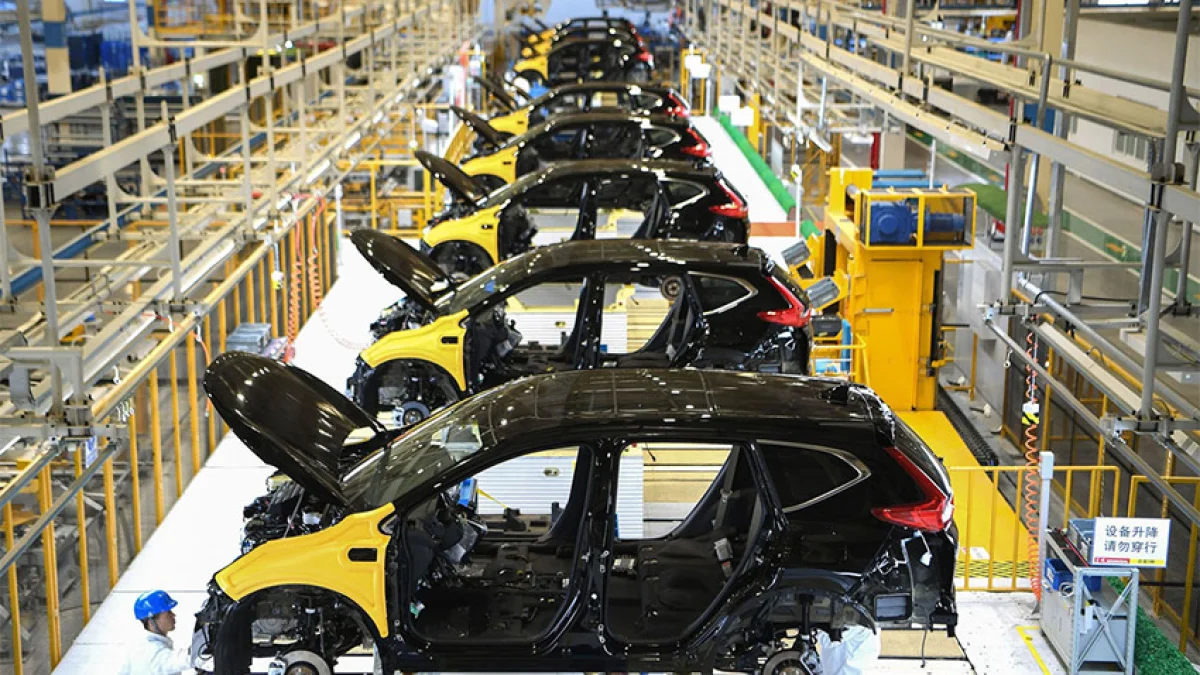
Xi Jinping's Visit Opens New Horizons for Chinese Car Manufacturing in Egypt
Chinese President Xi Jinping's visit to Egypt has reshaped the future of automotive cooperation between the two countries, emphasizing joint manufacturing and technology transfer over simple car imports. The signed agreements, worth billions of dollars, focus on both conventional and electric vehicles, along with developing local feeder industries. The benefits are expected to extend into neighboring Arab and African markets, while Chinese cars are experiencing a notable improvement in their insurance standing and after-sales services in Egypt.
Chinese President Xi Jinping's visit to Cairo has redrawn the cooperation map between the two nations in the automotive sector, shifting the relationship from importing fully-built units toward broader manufacturing and technical partnerships. The visit witnessed the signing of numerous cooperation documents, alongside projects, factories. Investments worth billions of dollars, placing brands like Chery and others in an unprecedented position to expand within the Egyptian market. The landscape is no longer limited to sales deals or commercial agencies.
Cooperation Documents and Billions in Investments
Journalist Hisham El-Zeini points out that the visit came amid a surge in joint agreements, clearly reflecting a mutual political will to advance the partnership toward manufacturing and technology transfer. The Chinese industry has made enormous strides over the past decade, extending beyond conventional cars to encompass electric vehicles, hybrids, batteries, powertrains, components, and advanced software. These technological capabilities give Beijing significant leverage in any future industrial negotiations with Cairo.
The shift from importing ready-made cars to establishing local factories has become a tangible goal rather than a distant ambition. The presence of brands such as BYD and Geely in the market raises questions about localizing component manufacturing and leveraging Chinese expertise to develop Egypt's industrial base. Egypt doesn't want to be merely a consumer market; it aims to establish itself as a regional manufacturing hub, exporting products to Arab and African markets.
Electric Vehicles at the Heart of the New Partnership
China holds a clear global advantage in manufacturing batteries and electric drive systems. That makes it the ideal partner for any country seeking to enter this promising field. Domestic demand for electric mobility is growing rapidly, with charging infrastructure beginning to appear in major cities, setting the stage for attracting massive Chinese investments. Egypt's strategic geographic location overlooking two major shipping routes provides exceptional logistical advantages for reaching regional markets.
Feeder Industries and After-Sales Services
Automotive manufacturing relies not only on assembly lines but begins with smaller feeder plants producing spare parts and interior components. Developing these industries in Egypt would create thousands of job opportunities and transfer technical knowledge to the local workforce, representing a fundamental shift in the partnership concept. Chinese brands like MG have become part of everyday life for Egyptians. Having local plants ensures greater stability in supply and pricing.
Adnan El-Nahal, head of the compensation department at one of the largest insurance companies, explains that the perception of Chinese cars has changed radically in recent years, with them now holding an insurance standing similar to European, Korean, Japanese, and American vehicles. A few years ago, some Chinese models faced insurance reservations related to the limited number of agents, service centers, spare parts availability, and after-sales support, factors that increased repair difficulties and costs, impacting insurers' risk assessments.
Egypt's service infrastructure is gradually improving with the expansion of Chinese brand agents, as a wide maintenance network that seemed a distant dream a decade ago is now a clear reality across Cairo, Giza, the Delta cities, and into Alexandria and Upper Egypt. This development in after-sales services directly influences insurance risk evaluations and premium values paid by owners, a critical factor in sustaining the growth of Chinese brands' market share in Egypt, especially as price pressures continue to impact other traditional automotive brands.
Frequently Asked Questions
3 questions answered
Related News
View All News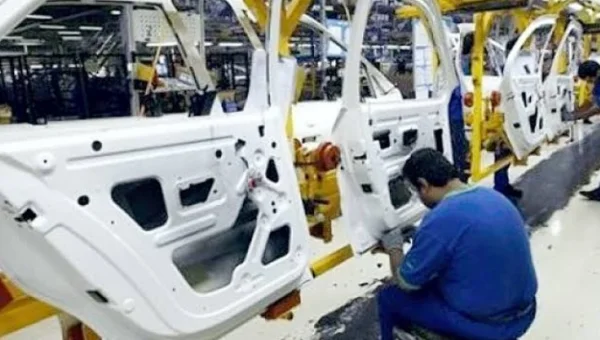
Egypt in Talks with Global Firms to Localize Automotive Stamping Dies Production
The Egyptian government is in talks with international companies specializing in automotive feeder industries to localize stamping die manufacturing inside Egypt. The move aims to attract investment and advanced technology…
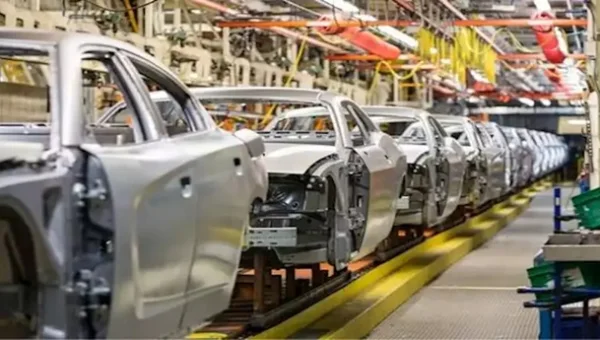
Billions in Write-Offs and Restructuring: Legacy Automakers Face Their Toughest Test in Decades
The traditional auto industry is facing its toughest test in decades as global automakers recorded around $55 billion in write-offs tied to EV plans. Stellantis alone absorbed 22.2 billion euros…
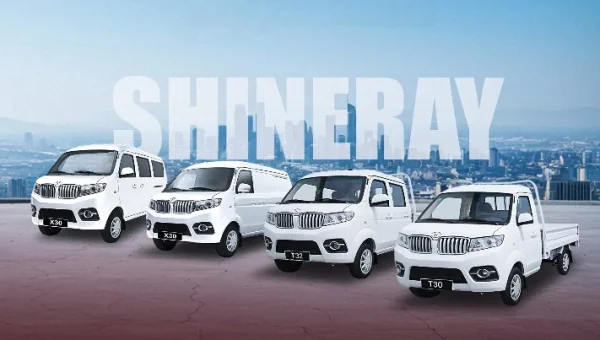
Shineray Captures 57% of Van Sales in Egypt in First 7 Months
Shineray captured 57% of Egypt's minivan sales in the first seven months of 2026, selling 682 units. Suzuki came second with a 43% share and 505 vehicles. The data comes…
Toyota HiAce Dominates Egypt Tourist Microbus Sales with 85% Share in 7 Months
Toyota HiAce dominated Egypt's tourist microbus market with an 85% share in the first seven months of 2026, selling 885 units according to AMIC. Foton CS2 came second at 11%…
King Long Dominates Egypt Bus Sales in First 7 Months of 2026
King Long dominated Egypt's bus market in the first seven months of 2026 with a 30.9% share and 3,228 vehicles sold. Toyota came second at 18.5% with 1,938 units, followed…

