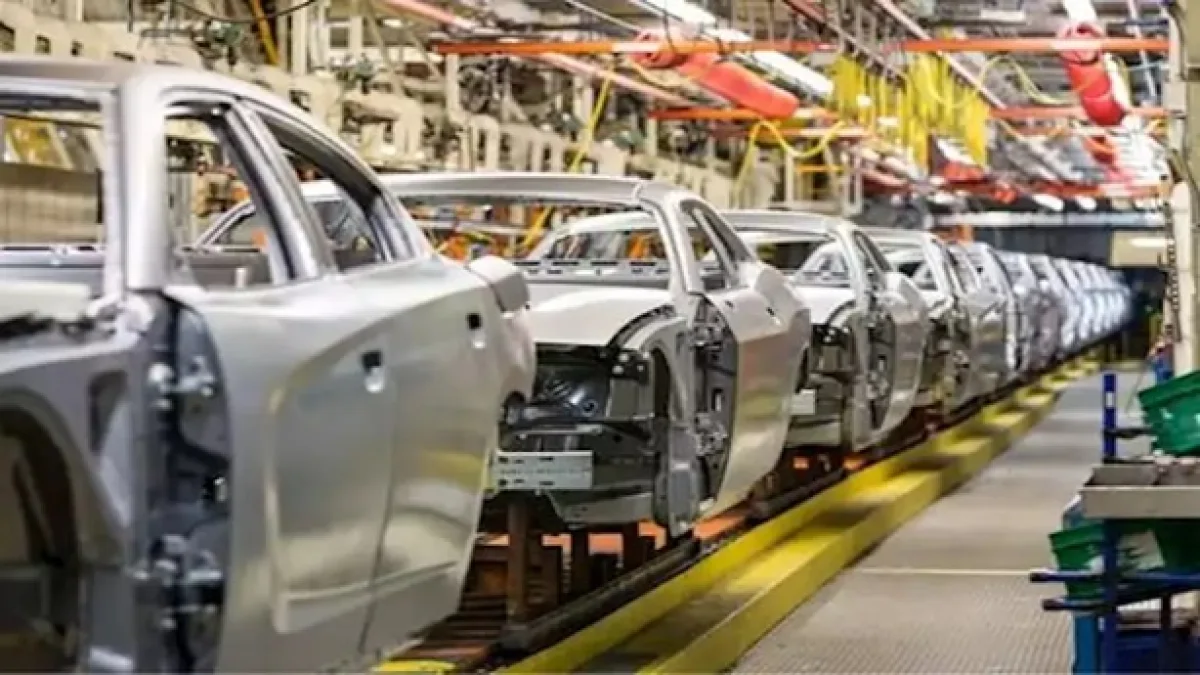
Billions in Write-Offs and Restructuring: Legacy Automakers Face Their Toughest Test in Decades
The traditional auto industry is facing its toughest test in decades as global automakers recorded around $55 billion in write-offs tied to EV plans. Stellantis alone absorbed 22.2 billion euros in restructuring charges after admitting it overestimated consumer demand for electric vehicles. Companies must now fund gasoline, hybrid and electric development simultaneously while facing pressure from Chinese rivals. Egyptian buyers may see direct effects on prices and model availability in the coming years.
Fifty-five billion dollars. That number sums up the crisis hitting traditional automaking giants, after companies like Volkswagen, Ford, Stellantis, Honda and Mercedes recorded massive write-offs and accounting losses tied to rethinking their EV plans over roughly one year. The problem is no longer about gloomy forecasts. It shows up directly in balance sheets and is forcing emergency restructuring.
The $55 Billion Price of Miscalculated Electrification
The figure shocks. Volkswagen and its partners found themselves reviewing billions of euros in EV platform investments built on the assumption of faster demand growth. Yet consumers in many markets did not move at the expected pace, especially with high electric car prices and weak charging infrastructure in some regions. The result? Asset write-downs and losses paid by companies once considered the most stable in the world.
Stellantis alone absorbed around 22.2 billion euros in charges after adjusting its strategy. Management openly admitted the company overestimated how quickly consumers would shift from internal combustion engines to electric vehicles. This isn't just a revaluation. It's an admission that investment decisions worth hundreds of billions were built on wrong assumptions. As Toyota and Hyundai rearrange their EV priorities, tough questions emerge: was the transition too fast?
Two Bills at Once: The ICE and EV Dilemma
Can a traditional automaker develop two types of cars simultaneously? That is the question. While Ford, Honda and Mercedes continue developing the gasoline and hybrid cars that generate the bulk of their sales and profits, they must also spend billions on a new generation of electric vehicles, software and AI. The bill doubled. Hybrids have become a middle ground that buys precious time, but they don't change the fact that Chinese competition is pressing prices in every market. On Egyptian roads, where fuel-powered cars still dominate, buyers watch these shifts closely because they determine what will be available in showrooms in the coming years.
Chinese companies did not wait. They move faster and launch cars with advanced technology and prices that are hard to match, while legacy brands struggle to cut production costs without sacrificing quality. New platforms, huge factories and decades-old distribution networks have become burdens in some cases. The real question isn't who builds the best EV, but who can stay financially afloat until demand reaches the expected level.
What Does This Mean for Egyptian Buyers?
In the short term, markets may see discount waves on some electric cars that failed to hit sales targets. In the long term, companies will redraw their plans, meaning a more balanced mix of hybrid, gasoline and electric sales. For consumers, choices will increase but prices may change more than once. The current crisis isn't the end of traditional automaking, but it's a harsh test that will reshuffle the global landscape. Fifty-five billion dollars was the first invoice. The next ones could be bigger.
Frequently Asked Questions
3 questions answered
Related News
View All News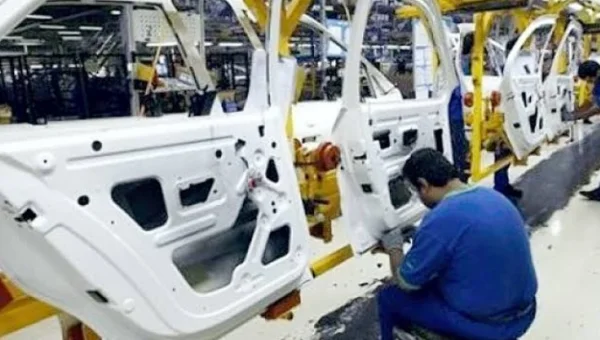
Egypt in Talks with Global Firms to Localize Automotive Stamping Dies Production
The Egyptian government is in talks with international companies specializing in automotive feeder industries to localize stamping die manufacturing inside Egypt. The move aims to attract investment and advanced technology…
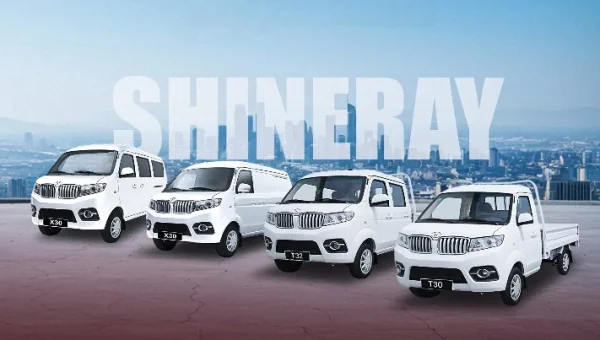
Shineray Captures 57% of Van Sales in Egypt in First 7 Months
Shineray captured 57% of Egypt's minivan sales in the first seven months of 2026, selling 682 units. Suzuki came second with a 43% share and 505 vehicles. The data comes…
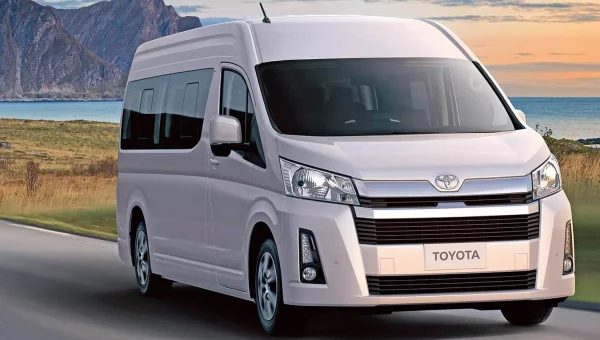
Toyota HiAce Dominates Egypt Tourist Microbus Sales with 85% Share in 7 Months
Toyota HiAce dominated Egypt's tourist microbus market with an 85% share in the first seven months of 2026, selling 885 units according to AMIC. Foton CS2 came second at 11%…
King Long Dominates Egypt Bus Sales in First 7 Months of 2026
King Long dominated Egypt's bus market in the first seven months of 2026 with a 30.9% share and 3,228 vehicles sold. Toyota came second at 18.5% with 1,938 units, followed…
Nissan Tops Egypt Car Sales with 17.4% Market Share in First 7 Months of 2026
Nissan has topped Egypt's best-selling automotive brand list for the first seven months of 2026 with a 17.4% market share and 15,158 vehicles sold. Chery came second at 13.5% (11,764…