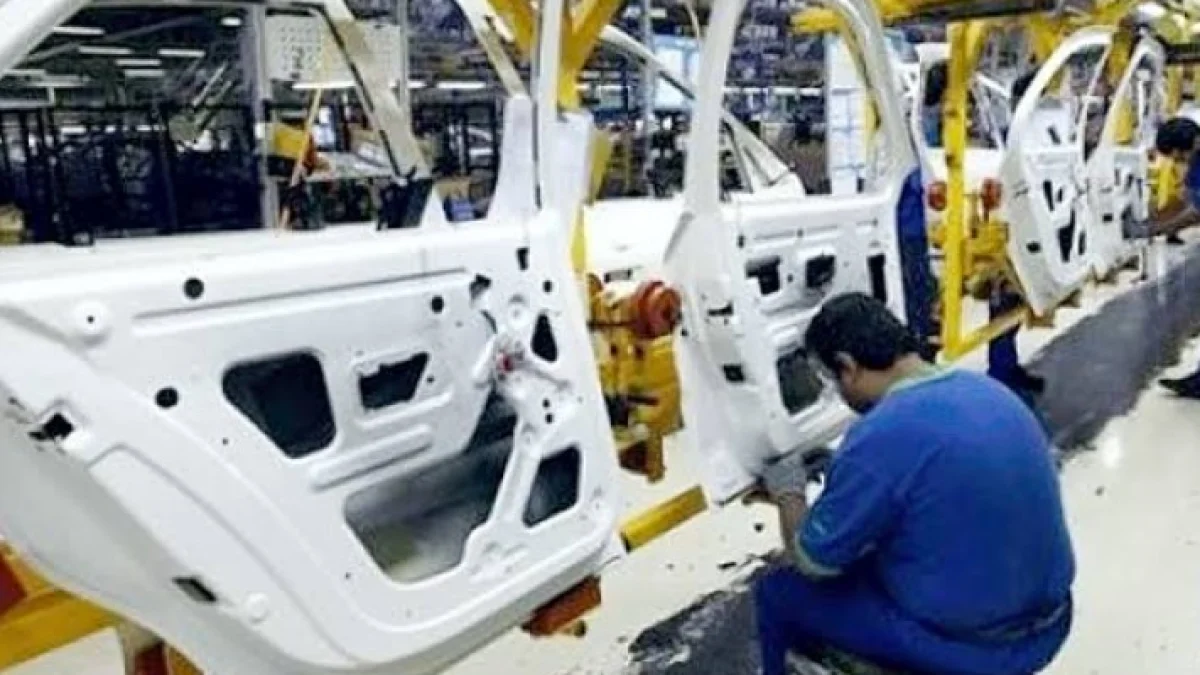
Egypt in Talks with Global Firms to Localize Automotive Stamping Dies Production
The Egyptian government is in talks with international companies specializing in automotive feeder industries to localize stamping die manufacturing inside Egypt. The move aims to attract investment and advanced technology while reducing reliance on imports. Negotiations focus on transferring technical expertise and qualifying Egyptian engineers. No specific company names or binding timelines have been announced yet.
The Egyptian government has opened negotiations with several global companies specializing in automotive feeder industries, aiming to localize the manufacturing of stamping dies used in vehicle part production. The goal is simple. Attract investment and advanced technology into a sector that has relied heavily on imports instead of building real capacity within global supply chains.
Why Stamping Dies Matter So Much
A stamping die is the mold that shapes every metal and plastic component in a car. From exterior body panels to interior cabin parts. No vehicle assembly or manufacturing plant can operate efficiently without a local die-making ecosystem capable of meeting demand. The ongoing talks focus on drawing in companies with deep expertise in this field and transferring technical knowledge to Egyptian engineers through direct industrial partnerships.
Feeder Industries Need a Real Push
Egypt's automotive feeder sector faces mounting challenges. Weak local supply chains, high costs of importing heavy machinery, and a limited number of factories qualified to produce dies at global standards. These negotiations come at a critical moment, as the government pushes to raise the local content ratio in domestically assembled vehicles — a key condition for attracting further investment from major brands like Nissan, Hyundai, and Kia.
Gains That Go Beyond Car Manufacturing
Localizing die production isn't just about spare parts. It's about building a complete industrial base. Die factories feed vehicle production lines, home appliance manufacturing, and engineering industries broadly. Success here could open the door to exporting Egyptian-made dies to regional markets, particularly as demand grows across the Gulf and North Africa for locally manufactured components at competitive prices and certified quality.
What Is Slowing Implementation Down?
Negotiating with global firms requires ready industrial infrastructure. That is the real challenge. Several industrial zones in Egypt need upgrades to power grids, roads. Utilities before they can host heavy die-manufacturing plants. International companies want clear guarantees on investment protection, skilled labor availability. Customs facilitation for importing initial production lines. The file remains under discussion, but it's a necessary step if Egypt wants to join the club of nations that manufacture automotive parts and body structures.
Talks are still ongoing with multiple companies. No specific names or binding timelines have been announced yet. But the direction is clear: localize technology instead of importing it ready-made. If these discussions turn into actual contracts on the ground, Egypt's manufacturing map could look very different within the next few years.
Frequently Asked Questions
3 questions answered
Related News
View All News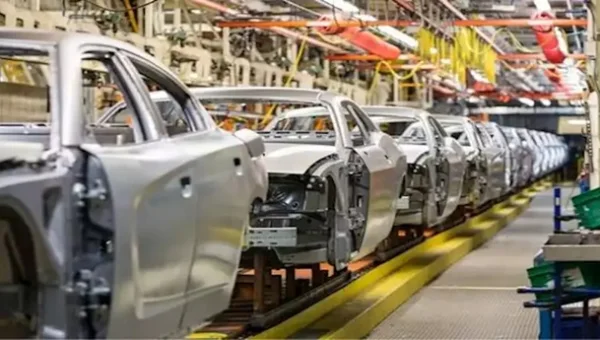
Billions in Write-Offs and Restructuring: Legacy Automakers Face Their Toughest Test in Decades
The traditional auto industry is facing its toughest test in decades as global automakers recorded around $55 billion in write-offs tied to EV plans. Stellantis alone absorbed 22.2 billion euros…
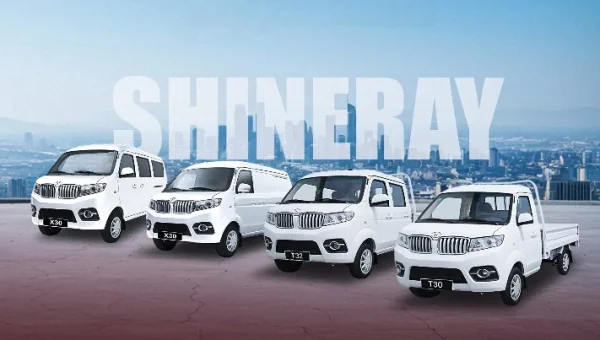
Shineray Captures 57% of Van Sales in Egypt in First 7 Months
Shineray captured 57% of Egypt's minivan sales in the first seven months of 2026, selling 682 units. Suzuki came second with a 43% share and 505 vehicles. The data comes…
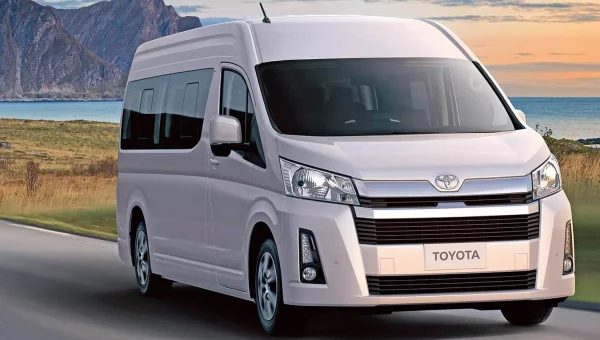
Toyota HiAce Dominates Egypt Tourist Microbus Sales with 85% Share in 7 Months
Toyota HiAce dominated Egypt's tourist microbus market with an 85% share in the first seven months of 2026, selling 885 units according to AMIC. Foton CS2 came second at 11%…
King Long Dominates Egypt Bus Sales in First 7 Months of 2026
King Long dominated Egypt's bus market in the first seven months of 2026 with a 30.9% share and 3,228 vehicles sold. Toyota came second at 18.5% with 1,938 units, followed…
Nissan Tops Egypt Car Sales with 17.4% Market Share in First 7 Months of 2026
Nissan has topped Egypt's best-selling automotive brand list for the first seven months of 2026 with a 17.4% market share and 15,158 vehicles sold. Chery came second at 13.5% (11,764…