Do Women Trust Self-Driving Cars? Study Reveals Surprising Findings on Safety and Privacy
A new study reveals that women's trust in self-driving cars is linked to feelings of safety and privacy rather than technical knowledge. Data was collected from 631 women across three major Chinese cities, showing privacy and cybersecurity protection as the most influential trust factors. Experiments also found that 97% of participants chose to ride in autonomous vehicles despite declaring greater trust in human drivers. Research indicates that smart assistant voices matching the user's gender also enhance trust levels.
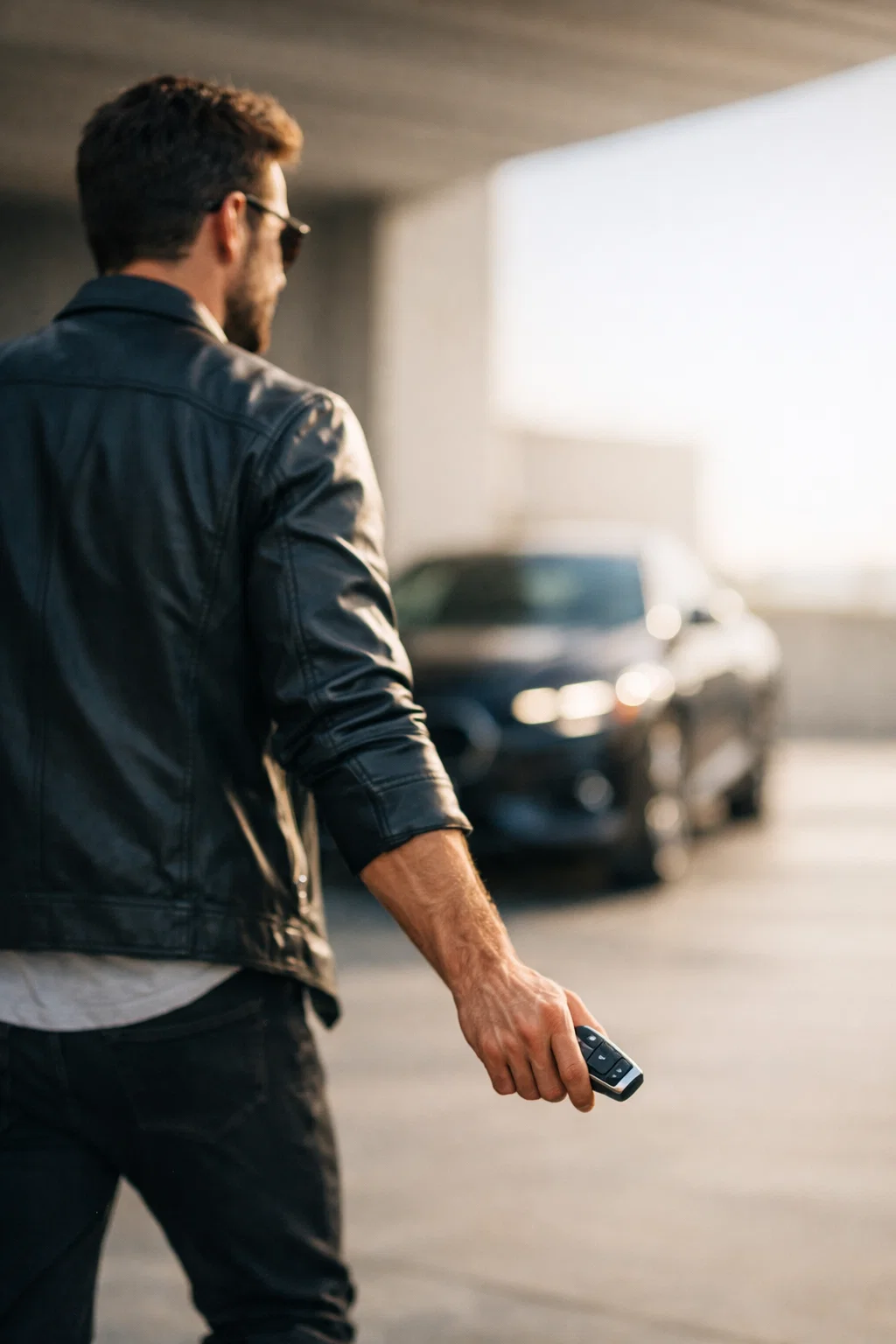
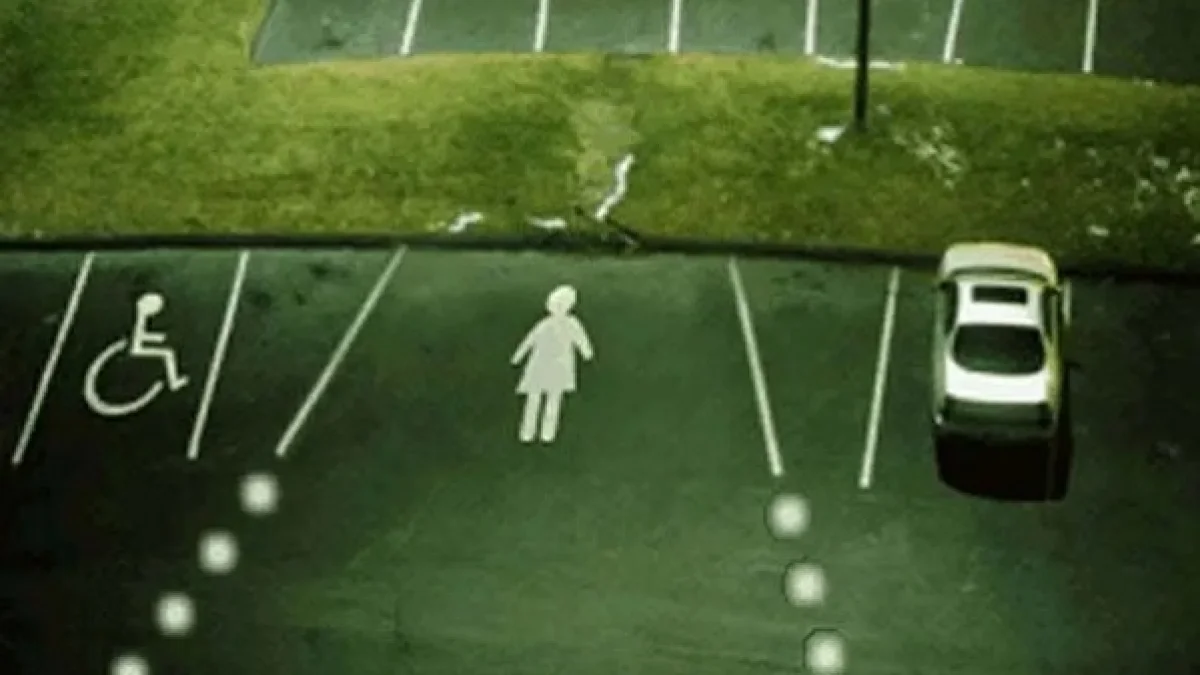
A new study reveals that women's trust in self-driving cars is less about technical knowledge and more about their sense of safety and privacy inside the cabin. Researchers analyzed survey data from 631 women across three major Chinese cities. The findings surprised even the research team. Trust is no longer a technical luxury.
Psychological Safety Outperforms Technical Knowledge
The study, published in July 2026, compared women's experiences with traditional ride-hailing services versus autonomous taxi services. Trust was linked to feeling safe in both service types, but the connection was significantly stronger with self-driving vehicles. What's striking is that privacy and protection from cybersecurity risks emerged as the two strongest trust factors, ahead of psychological and cognitive safety elements. Women who traveled alone at night or in remote locations showed the highest levels of caution.
The Advantage of Removing the Stranger Driver
Results suggest that autonomous cars may offer women a fundamental advantage: eliminating the presence of a stranger driver inside the vehicle. This single factor could explain why women view this technology differently than men do. But the new question the study raises concerns the security of the system and personal data that could be vulnerable to breaches. Real-world experience proved more powerful in building trust than mere awareness of the technology.
The Gap Between What Women Say and What They Do
Stated confidence in surveys doesn't always match actual passenger behavior behind the wheel or in the back seat. In a 2025 experiment, 444 participants measured their trust in self-driving cars, then 72 of them underwent a behavioral test. Although participants trusted human drivers more, 97% chose to ride in the self-driving car during the actual experiment.
Curiosity, trip conditions, and genuine feelings of safety can sometimes override stated concerns. This finding reshapes our understanding of consumer behavior toward new automotive technologies. Manufacturers focusing on reassuring women about privacy may earn their trust faster than those chasing raw performance specs.
The Smart Assistant's Voice Makes a Difference
Trust isn't just about what the self-driving car does—it's about how the vehicle communicates with its driver and passengers. A 2025 study published in Scientific Reports found that when the smart assistant's voice matches the user's gender, trust in the automated vehicle increases. But that effect is also influenced by stereotypes tied to the role the voice performs.
Awareness of self-driving car usage has grown steadily between 2023 and 2025, according to US national surveys representative of the population. These numbers reflect a slow but steady shift in how the public views this technology. The road to full acceptance remains long.
Frequently Asked Questions
3 questions answered
Related News
View All News
Passenger Cars Drive Egyptian Market Growth in 2026.. Nissan Leads
Passenger car sales in Egypt rose 22% in the first eight months of 2026 to 101,492 units. Nissan led the market with 16,616 vehicles, followed by MG and Chery. Changan…
Local Assembly Drives Truck Sales in Egypt Up 22.7% in 8 Months
Truck sales in Egypt rose 22.7% in the first eight months of 2026 to 21,852 units. Locally assembled trucks grew 16.1% to 18,719 vehicles, while imported trucks surged 85.4% to…
King Long Leads Egypt Bus Sales with 29.6% Share in First 8 Months
King Long led Egypt's bus market with a 29.6% share and 3,581 vehicles in the first eight months of 2026. Toyota came second at 18.6% with 2,251 units, followed by…
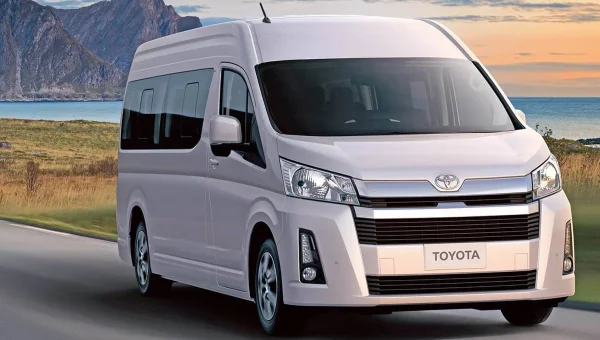
Toyota HiAce Dominates Egypt's Tourist Minibus Sales with 85% Share in 8 Months
Toyota HiAce commanded 85% of Egypt's tourist minibus segment in the first eight months of 2026, selling 1,022 units. Foton CS2 placed second with 134 vehicles and an 11% share,…
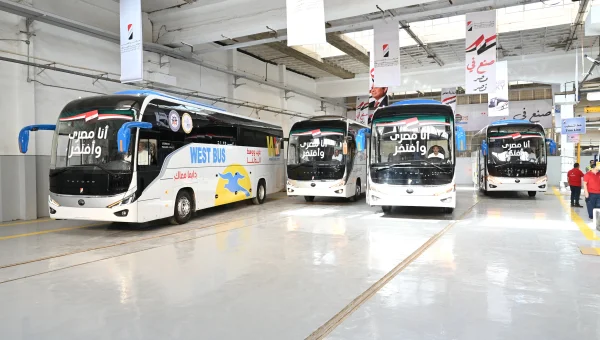
Local Assembly Drives Bus Sales in Egypt Up 78.5% Over 8 Months
Bus sales in Egypt reached 12,101 units in the first eight months of the year, up 78.5% from 6,781 vehicles last year. Locally assembled buses drove the growth, rising 73.5%…