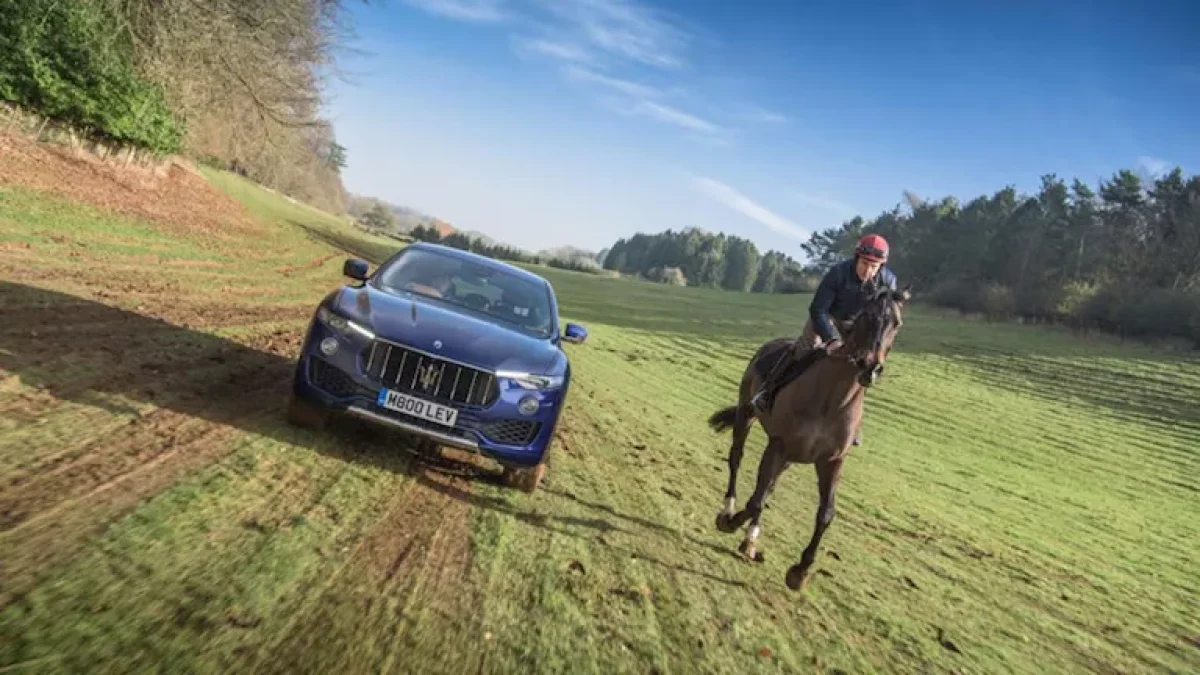
Why Is Car Power Measured in Horsepower? The Story Began 100 Years Before Cars
The story of the horsepower unit used today to measure car engine power traces back to the 18th century. Scottish engineer James Watt invented this standard to compare his steam engines against the horses working in mines. One horsepower equals 746 watts, and the unit later moved from steam engines to the first internal combustion automobiles. Even in the electric era, horsepower remains the common language between manufacturers and buyers for defining vehicle performance.
Ever wondered why we say a car produces 200 horsepower? The number feels instinctive now, yet it hides a history far deeper than most enthusiasts realize. The story started more than a century before the first automobile rolled out, specifically in 18th-century Britain during the Industrial Revolution. Scottish engineer James Watt was the intellectual engine behind this unit we still use today to rate modern cars.
James Watt and the Need for a Shared Language
Horses were the industrial backbone of mines and factories back in the mid-1700s. They lifted loads, ran machinery, and pumped water from deep shafts. When steam engines emerged, inventors faced a real problem: how do you convince a mine owner that your new machine beats his horse? James Watt was more than a steam-engine developer, he was a sharp marketer too. His solution was elegantly simple. He compared the work of his steam engine to the work a horse performs in one minute.
The Mechanical Horsepower Formula
Watt defined a fixed standard he called "Horsepower," setting it at 33,000 pound-feet per minute, equivalent to 550 pound-feet per second. These numbers were not random at all, they came from careful calculations of what a horse could achieve under ideal conditions. One mechanical horsepower equals roughly 746 watts, or 0.746 kilowatts. But here's the key question: does a real horse produce exactly one horsepower? The truth is that the unit was a practical comparison benchmark, not a precise measure of animal capacity. The horse choice had nothing to do with it being the strongest animal, it was simply the most common source of industrial power back then.
From Steam Engines to Internal Combustion
The unit transitioned smoothly as technology evolved. When internal combustion engines appeared in the 19th century, engineers saw no reason to invent a new measuring system. Why fix what already worked? Horsepower was already familiar to engineers, factory owners, and investors alike. The first cars that hit the roads in the late 19th and early 20th centuries simply inherited this ready-made concept. As the automobile industry spread globally, the horsepower figure became a core part of any new model's identity. Even today, these numbers headline the spec sheets in markets like Cairo or Alexandria.
Industry veterans argue that the unit's survival proves the power of tradition in engineering. While the electric vehicle segment increasingly adopts the kilowatt as its preferred measurement in several markets, horsepower remains firmly entrenched in consumer perception of performance. What's striking is that modern electric motors produce instant torque measured in newton-meters alongside horsepower, yet manufacturers still market their cars in horses first. The Egyptian market has recently shown growing interest in cars from brands like Chery and BYD. Each time the performance comparison comes up, the conversation always returns to the horsepower count. Even in the used-car market, the horsepower figure becomes a decisive factor in resale value assessments. This legacy born in British coal mines two centuries ago still shapes purchasing decisions for millions today. Our technological progress keeps being measured by a standard that dates back to the steam age.
Frequently Asked Questions
3 questions answered
Related News
View All News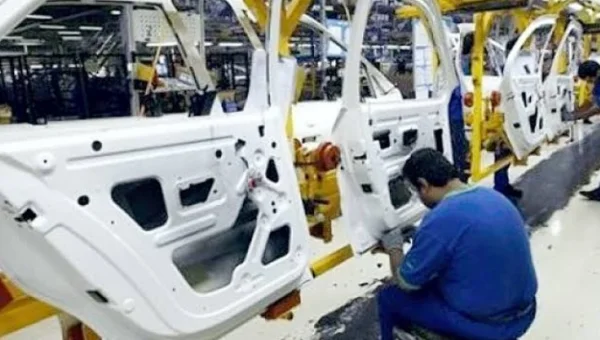
Egypt in Talks with Global Firms to Localize Automotive Stamping Dies Production
The Egyptian government is in talks with international companies specializing in automotive feeder industries to localize stamping die manufacturing inside Egypt. The move aims to attract investment and advanced technology…
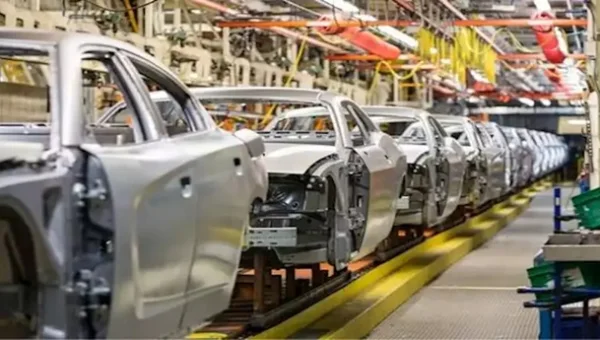
Billions in Write-Offs and Restructuring: Legacy Automakers Face Their Toughest Test in Decades
The traditional auto industry is facing its toughest test in decades as global automakers recorded around $55 billion in write-offs tied to EV plans. Stellantis alone absorbed 22.2 billion euros…
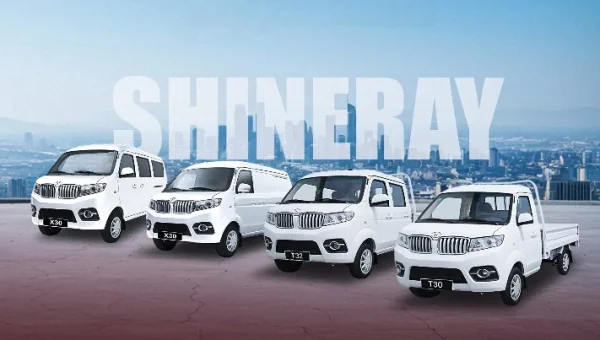
Shineray Captures 57% of Van Sales in Egypt in First 7 Months
Shineray captured 57% of Egypt's minivan sales in the first seven months of 2026, selling 682 units. Suzuki came second with a 43% share and 505 vehicles. The data comes…
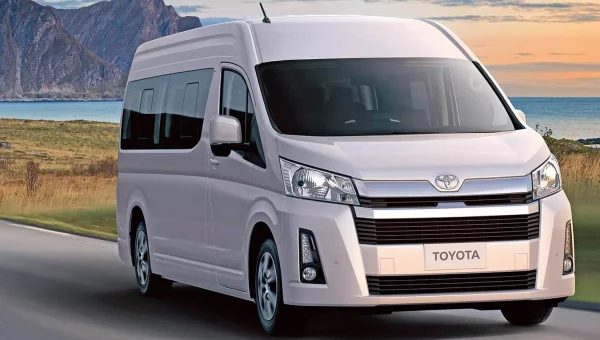
Toyota HiAce Dominates Egypt Tourist Microbus Sales with 85% Share in 7 Months
Toyota HiAce dominated Egypt's tourist microbus market with an 85% share in the first seven months of 2026, selling 885 units according to AMIC. Foton CS2 came second at 11%…

King Long Dominates Egypt Bus Sales in First 7 Months of 2026
King Long dominated Egypt's bus market in the first seven months of 2026 with a 30.9% share and 3,228 vehicles sold. Toyota came second at 18.5% with 1,938 units, followed…