
Smart Transport Networks Strengthen Egypt’s Economic Competitiveness and Regional Trade Connectivity
Dr. Ahmed Rostom, Egypt’s Minister of Planning and Economic Development and Governor of Egypt at the Islamic Development Bank Group, highlighted the country’s experience in developing trade- and transport-supporting infrastructure. He stated that major investments in road networks, railways, ports, and logistics corridors have significantly enhanced Egypt’s economic competitiveness and strengthened connections between production centers and regional and international trade routes.
According to Rostom, Egypt’s integrated transport system, which includes modern highways, upgraded railway networks, and both dry and seaports, has evolved beyond traditional infrastructure. It now serves as a key driver for improving the efficiency of vehicle and freight movement, optimizing supply chains, reducing transportation costs, and accelerating the flow of goods across markets.
Infrastructure as a Driver of Economic Growth
His remarks were delivered during a high-level discussion session at the Private Sector Forum held alongside the annual meetings of the Islamic Development Bank in Baku. The session focused on advancing trade solutions and strengthening regional connectivity as a catalyst for sustainable growth.
Rostom emphasized that ongoing shifts in the global trading system, combined with supply chain disruptions and geopolitical tensions, have made transport infrastructure development—particularly road and railway networks—a strategic priority for ensuring economic resilience and maintaining competitiveness.
Integrated Transport and Logistics Networks
He added that the integration of road networks, rail transport, and logistics systems has become a critical component of modern trade. Beyond moving goods, it enables businesses, especially small and medium-sized enterprises, to access markets more efficiently and at greater speed.
Rostom also stressed that investments in ports and logistics hubs, alongside the digital transformation of transport and customs systems, help reduce shipping times and improve trade efficiency. These developments directly benefit the road transport sector, commercial vehicle operations, and broader supply chains.
He concluded by reaffirming Egypt’s commitment to strengthening integration between roads, railways, and ports, reinforcing its position as a strategic global trade corridor while supporting the transition toward more efficient and sustainable transport systems.
Related News
View All News
Passenger Cars Drive Egyptian Market Growth in 2026.. Nissan Leads
Passenger car sales in Egypt rose 22% in the first eight months of 2026 to 101,492 units. Nissan led the market with 16,616 vehicles, followed by MG and Chery. Changan…
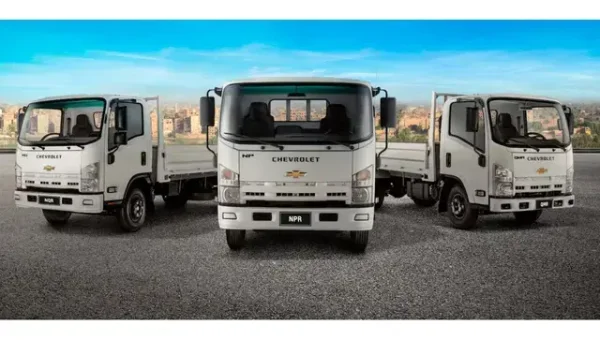
Local Assembly Drives Truck Sales in Egypt Up 22.7% in 8 Months
Truck sales in Egypt rose 22.7% in the first eight months of 2026 to 21,852 units. Locally assembled trucks grew 16.1% to 18,719 vehicles, while imported trucks surged 85.4% to…
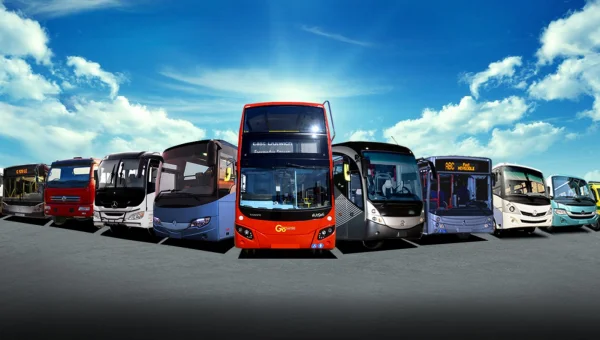
King Long Leads Egypt Bus Sales with 29.6% Share in First 8 Months
King Long led Egypt's bus market with a 29.6% share and 3,581 vehicles in the first eight months of 2026. Toyota came second at 18.6% with 2,251 units, followed by…
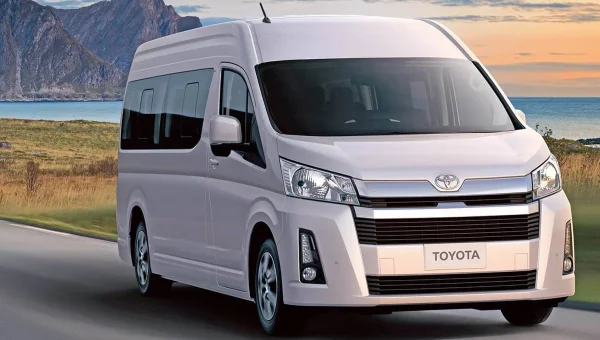
Toyota HiAce Dominates Egypt's Tourist Minibus Sales with 85% Share in 8 Months
Toyota HiAce commanded 85% of Egypt's tourist minibus segment in the first eight months of 2026, selling 1,022 units. Foton CS2 placed second with 134 vehicles and an 11% share,…
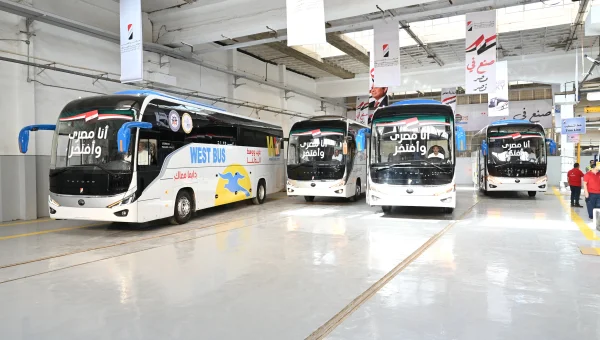
Local Assembly Drives Bus Sales in Egypt Up 78.5% Over 8 Months
Bus sales in Egypt reached 12,101 units in the first eight months of the year, up 78.5% from 6,781 vehicles last year. Locally assembled buses drove the growth, rising 73.5%…