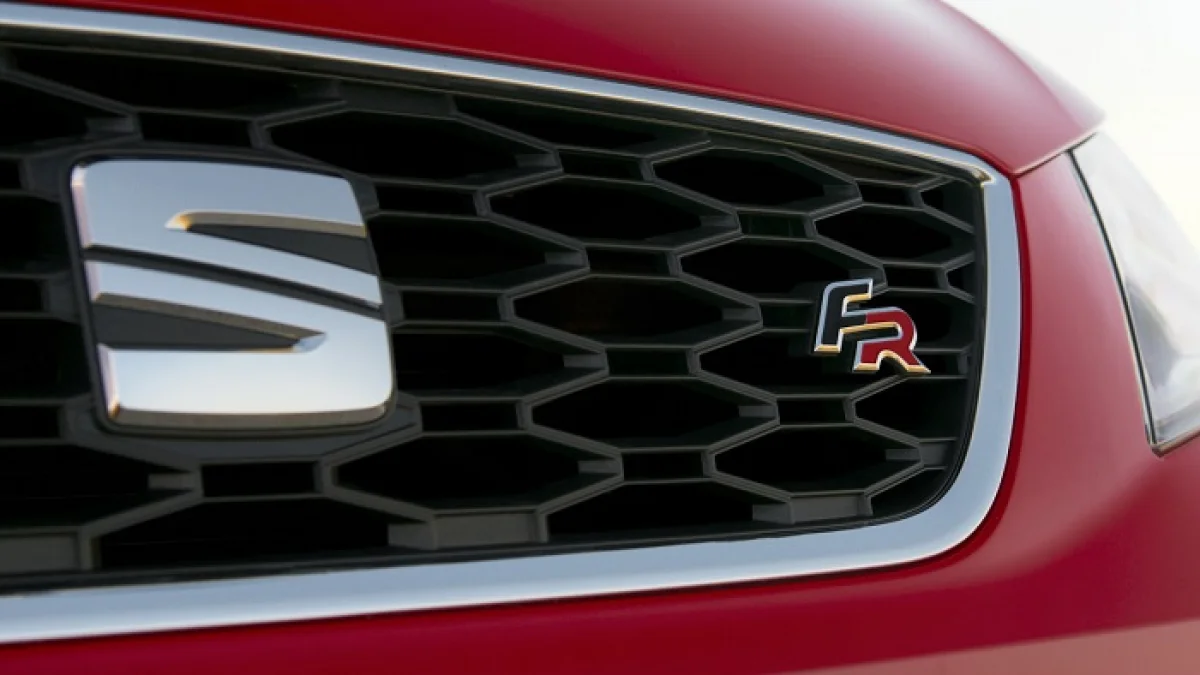
76 Years on the Line: Will SEAT Disappear in Favor of Cupra?
Volkswagen Group has revealed plans to study the future of the Spanish SEAT brand, with the possibility of a gradual phase-out in favor of the more profitable Cupra. SEAT has a product roadmap through 2027 including mild-hybrid versions, but the real challenge begins after that. SEAT S.A. itself will continue operating with the Martorell plant producing electric vehicles for the group. Cupra targets a 3% European market share and Middle East entry in 2027.
The decision is looming. Volkswagen Group has officially opened the door to potentially phasing out the Spanish SEAT brand, shifting its focus toward Cupra as the main growth engine within SEAT S.A. But the real question on every automotive enthusiast's mind is whether we are witnessing the end of a 76-year-old legacy. No final decision has been made yet.
What Does This Mean for the SEAT Brand?
The truth is that talk of a confirmed demise by 2029 seems premature. SEAT still has a product roadmap extending to 2027, including the launch of mild-hybrid versions of the Ibiza and Arona. The brand won't vanish overnight. The real challenge, however, begins after the current model cycle comes to an end.
Developing an entirely new generation of SEAT models has become a heavy financial burden, especially with stricter European emission regulations and the accelerating shift toward electric mobility. The parent group is weighing several scenarios for the post-2030 era, ranging from continuing the brand in a different form to a gradual phase-out if economic viability no longer justifies fresh investments.
Cupra: The Rapid Ascent Within the Group
The contrast between the two brands is stark. In just eight years, Cupra has transformed from a sporty sub-brand into an independent marque with a growing European presence. SEAT S.A. management describes Cupra as the primary driver of future growth and profitability. The numbers are ambitious: a target of 3% market share in Europe and an international expansion plan that includes entering Middle Eastern markets during the third quarter of 2027.
This disparity in strategic importance explains the troubling questions surrounding the future of SEAT Ibiza and its sister models. The German automotive giant must direct its investments toward brands capable of delivering better returns in a market where development costs are rising daily. Continuing to fund a brand that fails to achieve the desired profitability is no longer a viable option.
What Happens to SEAT S.A. Itself?
No, the Spanish company won't disappear even if the future of the SEAT Arona brand changes. This is one of the most overlooked points in the story. SEAT S.A. encompasses both brands and manages factories and development centers within Spain. Its manufacturing responsibilities within the Volkswagen Group are steadily increasing.
The historic Martorell plant will continue to play a key role in producing electric vehicles for the group, including the Cupra Leon and other upcoming models. Projections indicate a rise in employment over the coming years as industrial activity expands. The Spanish plant has become a cornerstone of Volkswagen's electric strategy, not merely a production facility for a single brand.
The real battle now revolves around investment priorities. The market is changing fast. Brands that can't keep pace with the electric transition are paying the price. The coming period will reveal whether SEAT can carve out a place in a world dominated by electrification and Cupra, or whether it will be remembered as another casualty of the great industrial shift.
Frequently Asked Questions
3 questions answered
Related News
View All News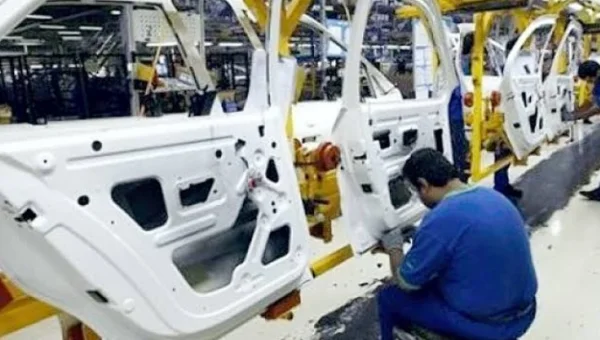
Egypt in Talks with Global Firms to Localize Automotive Stamping Dies Production
The Egyptian government is in talks with international companies specializing in automotive feeder industries to localize stamping die manufacturing inside Egypt. The move aims to attract investment and advanced technology…
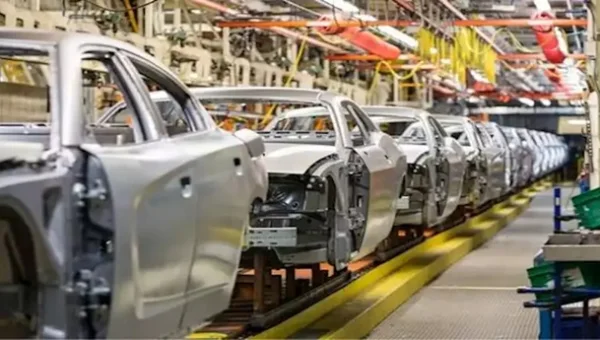
Billions in Write-Offs and Restructuring: Legacy Automakers Face Their Toughest Test in Decades
The traditional auto industry is facing its toughest test in decades as global automakers recorded around $55 billion in write-offs tied to EV plans. Stellantis alone absorbed 22.2 billion euros…
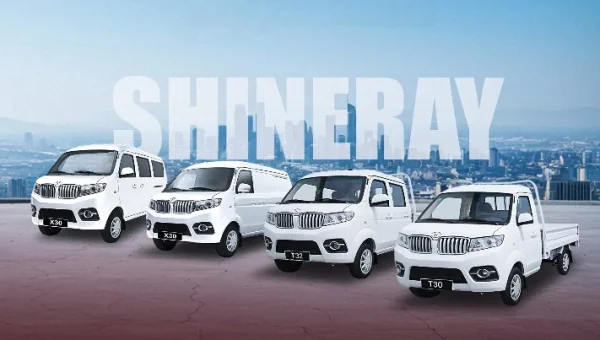
Shineray Captures 57% of Van Sales in Egypt in First 7 Months
Shineray captured 57% of Egypt's minivan sales in the first seven months of 2026, selling 682 units. Suzuki came second with a 43% share and 505 vehicles. The data comes…
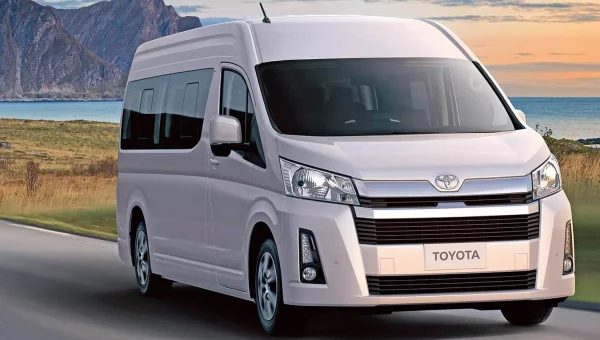
Toyota HiAce Dominates Egypt Tourist Microbus Sales with 85% Share in 7 Months
Toyota HiAce dominated Egypt's tourist microbus market with an 85% share in the first seven months of 2026, selling 885 units according to AMIC. Foton CS2 came second at 11%…
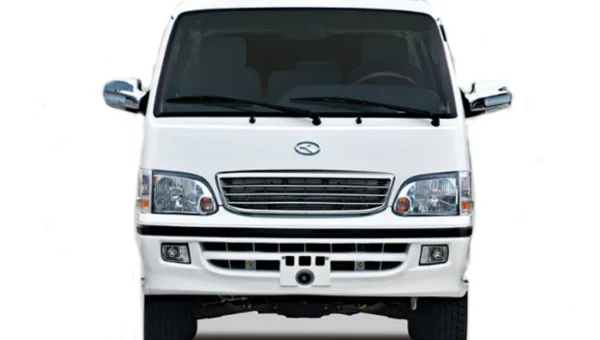
King Long Dominates Egypt Bus Sales in First 7 Months of 2026
King Long dominated Egypt's bus market in the first seven months of 2026 with a 30.9% share and 3,228 vehicles sold. Toyota came second at 18.5% with 1,938 units, followed…