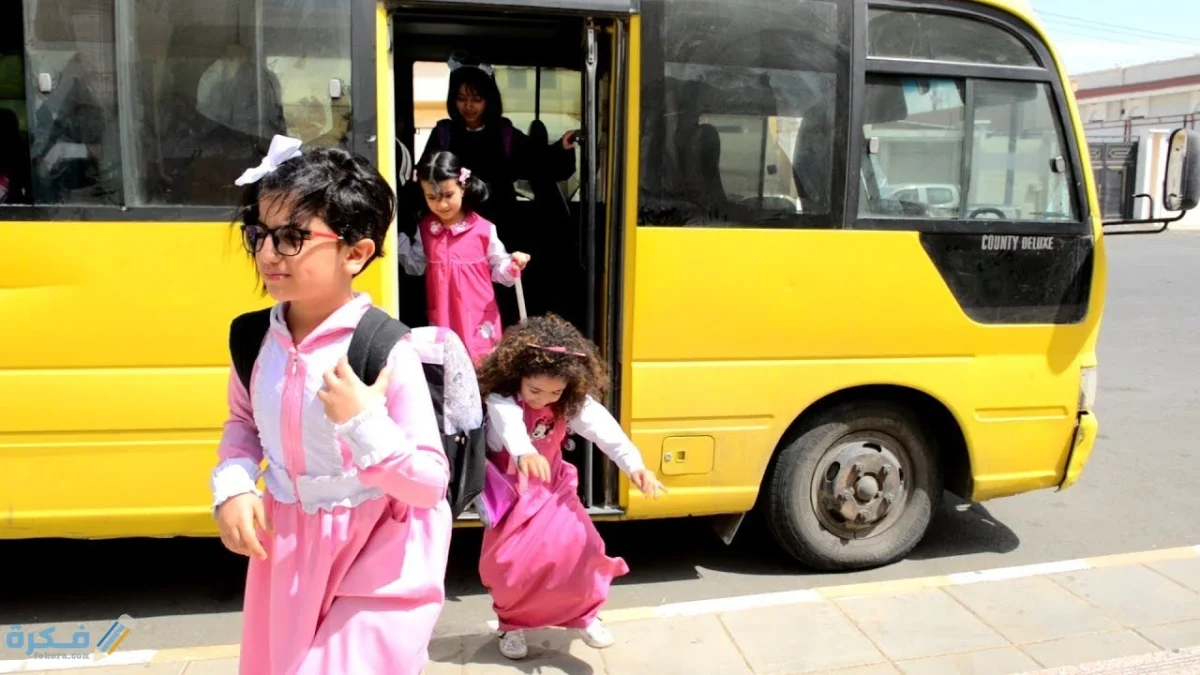
School Bus Economics: Simple Math Reveals Millions in Transport Fees
A simple analysis of school transport fees shows that raising charges by 4,000 EGP per student annually generates 100,000 EGP extra per bus. Expanding to 60 buses yields 6 million EGP in added revenue, though operational costs heavily affect final margins. The analysis highlights why transport remains a critical financial burden for families despite its optional label. Effective fleet management determines whether schools turn these revenues into actual profit.
The numbers don't lie. School bus transport fees in Egypt can generate millions of pounds in annual revenue for operators, according to a simple cost analysis. A mere 4,000 EGP increase per student per year transforms into 100,000 EGP extra per bus when 25 students are onboard. With larger fleets, the figures multiply quickly.
From One Bus to Sixty: The Multiplier Effect
Running the math is straightforward — 30 buses produce an additional 3 million EGP annually, while 50 buses push that figure to 5 million EGP. The magic number appears at 60 buses, where total added revenue hits 6 million EGP, assuming each bus maintains its 25-student capacity. A school operating 60 buses serves exactly 1,500 students, making the aggregate increase substantial.
But here's the catch — that 6 million EGP is gross revenue, not pure profit. School administrators and contracted transport companies must deduct operating expenses, including fuel, maintenance, driver salaries, and insurance. Fleet age and management efficiency play a decisive role in determining whether these millions translate into real margins or get swallowed by operational costs.
Why Parents Often Have No Choice
Despite being labeled optional and separate from tuition, school transport is a de facto necessity for many working families. The service becomes a mandatory line item in household budgets, especially in cities where commuting distances and traffic make walking impossible. This creates a unique pressure point — parents end up comparing transport fees across schools as carefully as they compare academic programs.
Management models differ widely across the market. Some schools own and operate their buses directly, while others outsource to specialized firms under negotiated contracts. Each approach carries different cost structures and profit outcomes. What remains constant is the growing weight of this expense on Egyptian families — a reality that schools ignore at their own risk as enrollment decisions increasingly hinge on the total cost of attendance, not just tuition fees.
Frequently Asked Questions
3 questions answered
Related News
View All News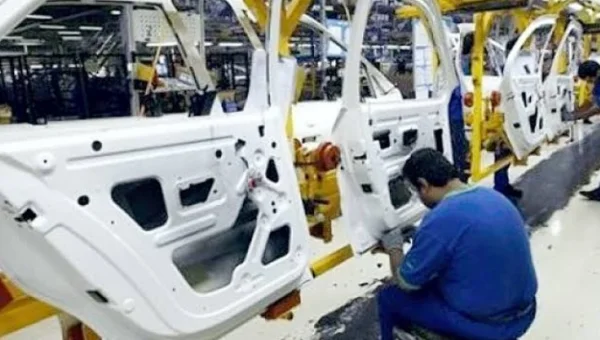
Egypt in Talks with Global Firms to Localize Automotive Stamping Dies Production
The Egyptian government is in talks with international companies specializing in automotive feeder industries to localize stamping die manufacturing inside Egypt. The move aims to attract investment and advanced technology…
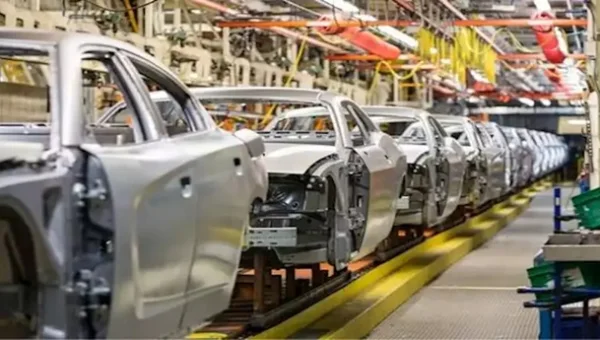
Billions in Write-Offs and Restructuring: Legacy Automakers Face Their Toughest Test in Decades
The traditional auto industry is facing its toughest test in decades as global automakers recorded around $55 billion in write-offs tied to EV plans. Stellantis alone absorbed 22.2 billion euros…

Shineray Captures 57% of Van Sales in Egypt in First 7 Months
Shineray captured 57% of Egypt's minivan sales in the first seven months of 2026, selling 682 units. Suzuki came second with a 43% share and 505 vehicles. The data comes…
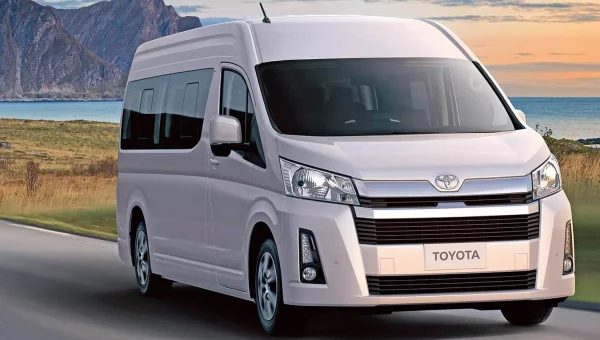
Toyota HiAce Dominates Egypt Tourist Microbus Sales with 85% Share in 7 Months
Toyota HiAce dominated Egypt's tourist microbus market with an 85% share in the first seven months of 2026, selling 885 units according to AMIC. Foton CS2 came second at 11%…
King Long Dominates Egypt Bus Sales in First 7 Months of 2026
King Long dominated Egypt's bus market in the first seven months of 2026 with a 30.9% share and 3,228 vehicles sold. Toyota came second at 18.5% with 1,938 units, followed…