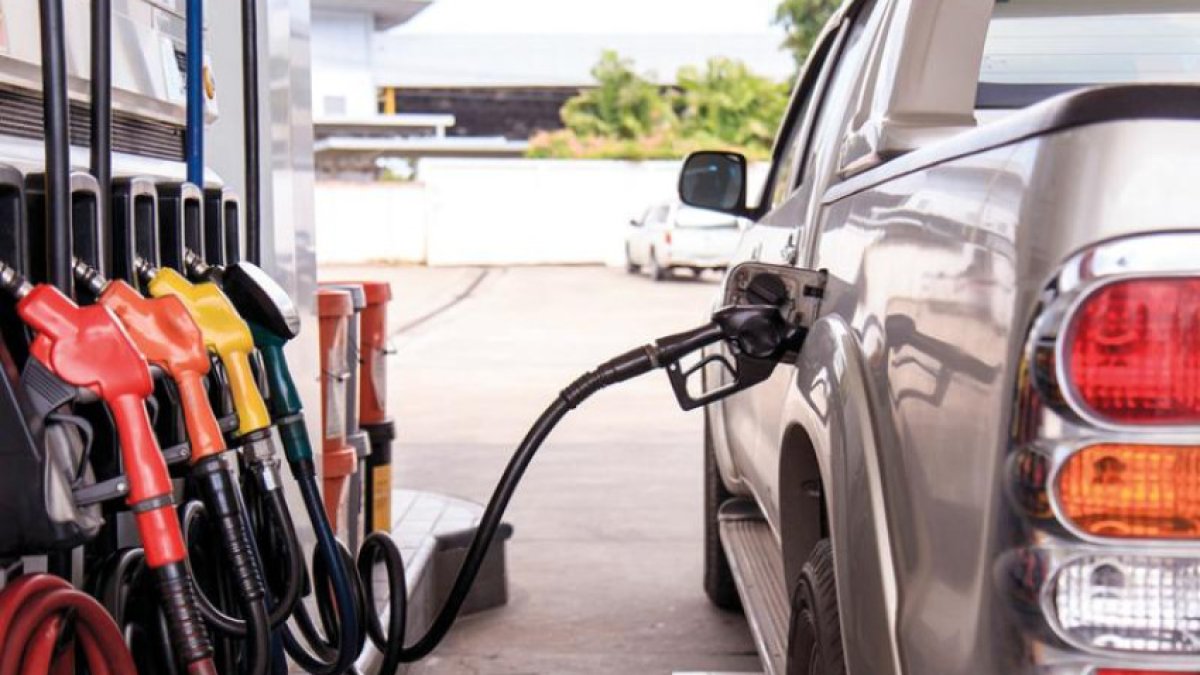
Official Report: Petrol Still Dominates Egypt's Vehicle Market as EVs See Notable Growth in May
The latest monthly report issued by the Egyptian Compulsory Vehicle Insurance Pool reveals that petrol-powered vehicles continue to dominate the Egyptian market in May 2026, alongside a gradual rise in electric vehicles and a persistently limited presence of natural gas cars.
According to the report, the number of petrol-powered vehicles reached 285,862 units, maintaining this fuel type's stronghold on the majority of vehicle registrations in the local market. This is driven by the widespread traditional fuel station infrastructure and the fact that most cars circulating in Egypt rely on petrol engines.
Diesel-powered vehicles ranked second with a total of 98,002 units, reflecting continued reliance on diesel within the heavy transport, commercial, and logistics sectors, despite a gradual decline in diesel passenger car adoption.
Vehicles operating on both petrol and natural gas totaled 11,749 units, while fully natural gas-powered cars remain extremely limited at just 69 units. This comes despite government expansion in clean energy transition projects and an increase in natural gas fueling stations.
In contrast, electric vehicles continued to record notable growth in the Egyptian market, with a total of 2,123 registered EVs in May, including 1,600 fully electric cars. BYD retained its lead in the EV segment for the third consecutive month with 465 units, followed by DFSK, MCV, XPeng, and Volkswagen, while several other Chinese brands strengthened their presence in this rapidly growing segment.
The fuel type distribution indicates that the Egyptian market remains in a transitional phase between traditional reliance on petrol and diesel and a gradual shift toward electricity and alternative energy, especially amid fuel price changes and growing global interest in emissions reduction. Observers believe the coming years could see faster adoption of electric and hybrid vehicles, particularly with the expansion of charging infrastructure and the entry of new brands into the local market. However, petrol is expected to remain the dominant fuel in the near term due to the size of the existing fleet and the cost of transitioning.
Related News
View All News
Passenger Cars Drive Egyptian Market Growth in 2026.. Nissan Leads
Passenger car sales in Egypt rose 22% in the first eight months of 2026 to 101,492 units. Nissan led the market with 16,616 vehicles, followed by MG and Chery. Changan…
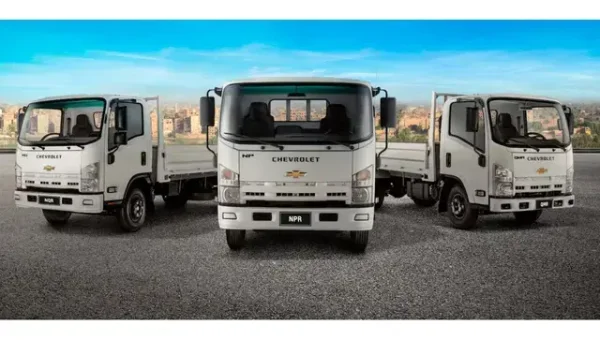
Local Assembly Drives Truck Sales in Egypt Up 22.7% in 8 Months
Truck sales in Egypt rose 22.7% in the first eight months of 2026 to 21,852 units. Locally assembled trucks grew 16.1% to 18,719 vehicles, while imported trucks surged 85.4% to…
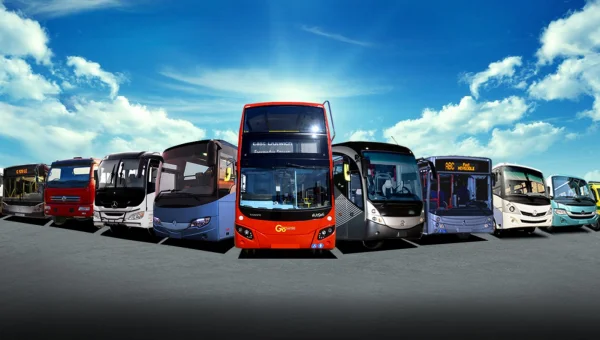
King Long Leads Egypt Bus Sales with 29.6% Share in First 8 Months
King Long led Egypt's bus market with a 29.6% share and 3,581 vehicles in the first eight months of 2026. Toyota came second at 18.6% with 2,251 units, followed by…
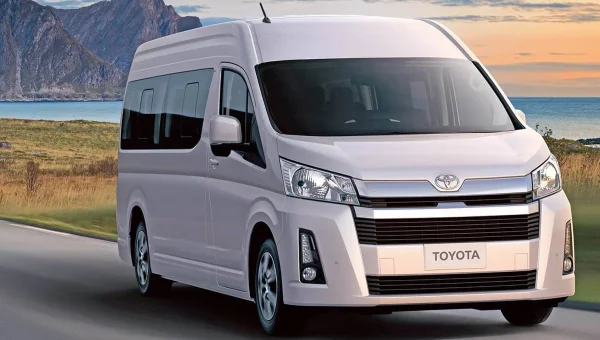
Toyota HiAce Dominates Egypt's Tourist Minibus Sales with 85% Share in 8 Months
Toyota HiAce commanded 85% of Egypt's tourist minibus segment in the first eight months of 2026, selling 1,022 units. Foton CS2 placed second with 134 vehicles and an 11% share,…
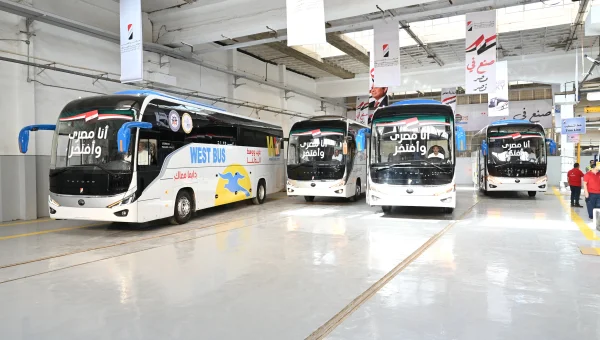
Local Assembly Drives Bus Sales in Egypt Up 78.5% Over 8 Months
Bus sales in Egypt reached 12,101 units in the first eight months of the year, up 78.5% from 6,781 vehicles last year. Locally assembled buses drove the growth, rising 73.5%…