

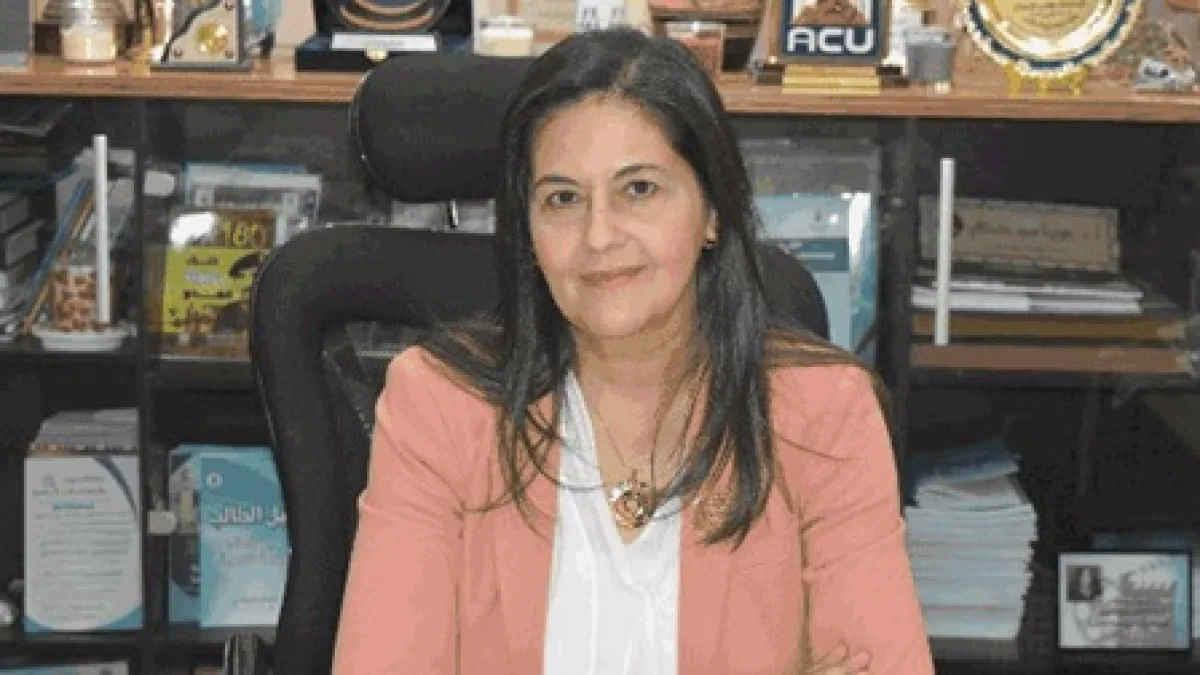
Media Expert: Platforms Are Responsible for Content, Removing Misleading News Is Mandatory in Europe
The digital space has changed fundamentally. Dr. Howaida Mostafa stressed that countries no longer hold only content creators accountable, as responsibility now extends to the platforms hosting them — a major shift in the concept of electronic oversight. New European legislation provides clear frameworks that make platforms complicit in digital crime if they fail to remove false content.
The EU's Experience with Digital Services Regulation
The Vice President of the State Information Service said EU countries have issued binding legislation requiring content removal as soon as it's proven misleading or untrue, with mandatory verification of information accuracy before publishing. The difference is fundamental: liability is no longer confined to the bad intent of content creators but extends to the platform providing the environment for its spread. Experts believe this model might be the ideal solution to curb the informational chaos affecting most Arab states.
Britain's Different Model: Protection Meets Regulation
Britain took another path. London adopted a regulatory framework combining consumer protection, digital advertising regulation. Shielding children from apps and electronic games carrying harmful content. This move reflects a deep understanding of digital threats that vary between media misinformation and commercial exploitation. Advanced international experiences confirm that laws alone are insufficient — effective digital enforcement mechanisms are equally vital.
The numbers are telling; as the digital space expands without limits, the need grows for controls protecting societies from abuse by some bloggers and influencers. The road remains long for Arab nations to catch up with such legislation, but the starting point is realizing platforms aren't neutral intermediaries — they are active partners in creating and spreading content. With her experience as a former dean of the Faculty of Mass Communication, Mostafa emphasized that traditional media can still provide a model to follow in verifying information before publication.
Related News
View All NewsReport reveals: The turbo engines most prone to failure after 80,000 km
Recent fleet data shows that several turbocharged engines in Egypt begin showing costly failures at just 80,000 kilometers, while others last much longer. The main cause isn't design alone but…
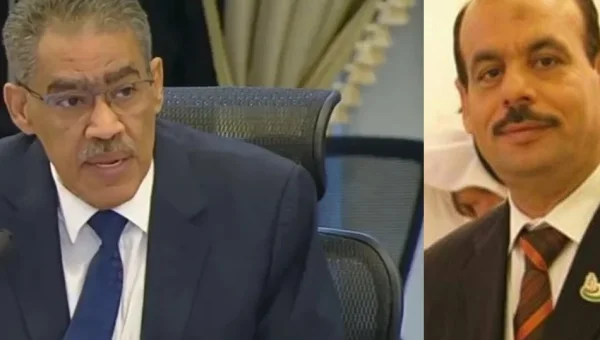
Unqualified Influencers Threaten Egypt's Economy and Corporate Reputation
Dr. Said Hamed, a media professor at Suez University, warned that content from unqualified influencers on social media can damage Egypt's national economy and the reputation of state institutions. He…

Beyond the Headlines: What Really Drives Engagement on Egyptian Auto Sites?
The report examines competition among auto sites in Egypt, noting that superiority depends on understanding local buyer needs for content combining price and running costs. Analyses show over 60% of…
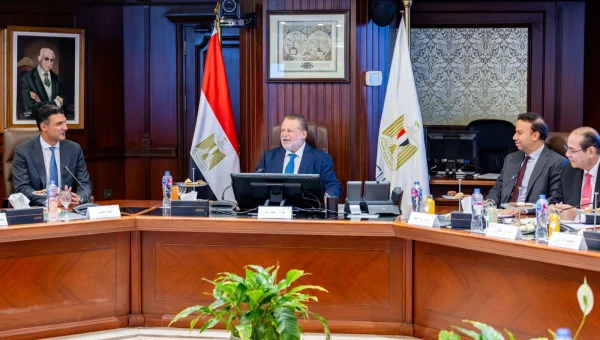
Egypt's One-Billion-Pound Fund Revives Ailing Auto Factories
Egypt's Central Bank and Ministry of Industry have launched a one-billion-pound fund to restructure struggling factories and restore idle production capacity. The fund will take equity stakes, restructure debt, and…

Is Now the Right Time to Buy a New Car in Egypt? 6 Indicators That Decide
New car sales in Egypt rose 29.7% in the first seven months of 2026, reaching 116,869 vehicles, with passenger car sales up 25%. Overprice premiums have declined on several models…

