Unqualified Influencers Threaten Egypt's Economy and Corporate Reputation
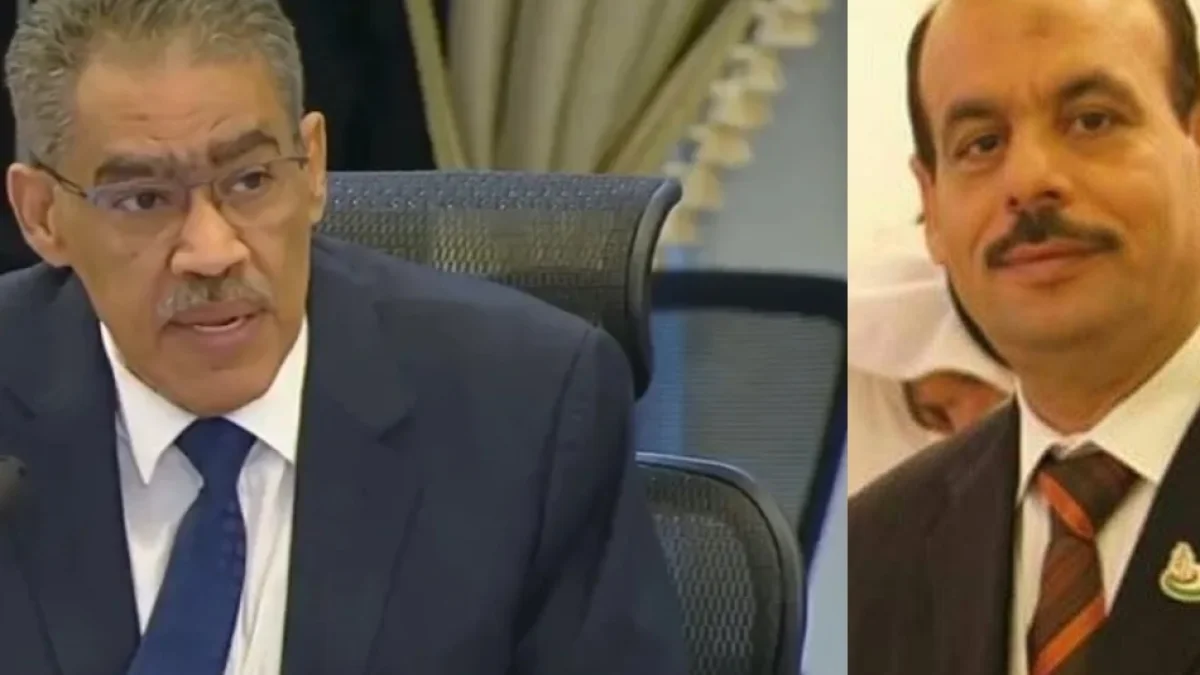
Dr. Said Hamed, a media professor at Suez University, warned that content from unqualified influencers on social media can damage Egypt's national economy and the reputation of state institutions. He explained that exaggerating problems or spreading inaccurate information about car companies and other sectors creates a negative image that erodes consumer trust. He urged Minister of State for Information Dr. Diaa Rashwan to intervene and establish regulations for bloggers, preventing non-experts from speaking as authorities.
Dr. Said Hamed, a media professor at Suez University, has issued a stark warning: content produced by unqualified influencers and bloggers on social media poses a direct threat to Egypt's national economy and the reputation of state institutions. Speaking on the 'Arabity' program on Radio Misr, he called for immediate intervention from Dr. Diaa Rashwan, Egypt's Minister of State for Information. The alarm is loud and clear.
Beyond a Single Company Crisis
The fallout from this content doesn't stop at damaging a specific car company or product, according to Hamed. It can ripple across entire economic sectors. Exaggerating problems or spreading inaccurate information creates a skewed negative image of a whole industry, which directly impacts business climate and investor confidence in the Egyptian market. The damage multiplies fast.
Consumer Trust Under Fire
A wide segment of followers treats influencer content as verified fact, even when the creator has zero scientific specialization or professional experience to make technical or economic judgments. This dangerous blurring of personal opinion and verified information threatens consumer trust in major brands like Toyota, Hyundai. Nissan operating in Egypt. Do these creators grasp the weight of their words?
Social Media: A Race to the Bottom
Social media platforms have morphed into a fierce battleground for views and quick profits, with some content creators resorting to sensationalism and exaggeration to grab attention. Hamed pointed out that a single post or short video can reach massive audiences within minutes, making the impact of irresponsible content immediate and devastating. Speed here cuts both ways.
Undermining Years of State-Built Trust
Egypt is executing national projects and developing various industrial and economic sectors, yet irresponsible content can paint a distorted picture or erode trust built over years of hard work. The media professor stressed that protecting the image of national institutions and production sectors requires clear regulations for blogger activity, distinguishing those qualified to speak from those who have nothing but a camera and claims. The danger isn't limited to cars.
The call for the Ministry of State for Information to step in isn't a luxury—it's a necessity to shield the national economy from content that may seem trivial but can undermine investor and consumer confidence alike. The digital space needs clear rules, and qualified experts alone should lead the conversation.
Frequently Asked Questions
3 questions answered
Related News
View All News
Beyond the Headlines: What Really Drives Engagement on Egyptian Auto Sites?
The report examines competition among auto sites in Egypt, noting that superiority depends on understanding local buyer needs for content combining price and running costs. Analyses show over 60% of…

Egypt's One-Billion-Pound Fund Revives Ailing Auto Factories
Egypt's Central Bank and Ministry of Industry have launched a one-billion-pound fund to restructure struggling factories and restore idle production capacity. The fund will take equity stakes, restructure debt, and…
Is Now the Right Time to Buy a New Car in Egypt? 6 Indicators That Decide
New car sales in Egypt rose 29.7% in the first seven months of 2026, reaching 116,869 vehicles, with passenger car sales up 25%. Overprice premiums have declined on several models…
Egyptian Car Market 2025: Challenges and Opportunities
Egypt's car market in 2025 faces up to 15% price hikes for Toyota and Nissan, an 8% drop in new car sales, and growing demand for used cars. Electric and…
China Tops Global Auto Industry: From Imitation to Technological Leadership
China's auto industry has shifted from imitation to global leadership, driven by massive investments in electric vehicles and AI. Companies like BYD adopted self-integration in production, cutting costs and boosting…