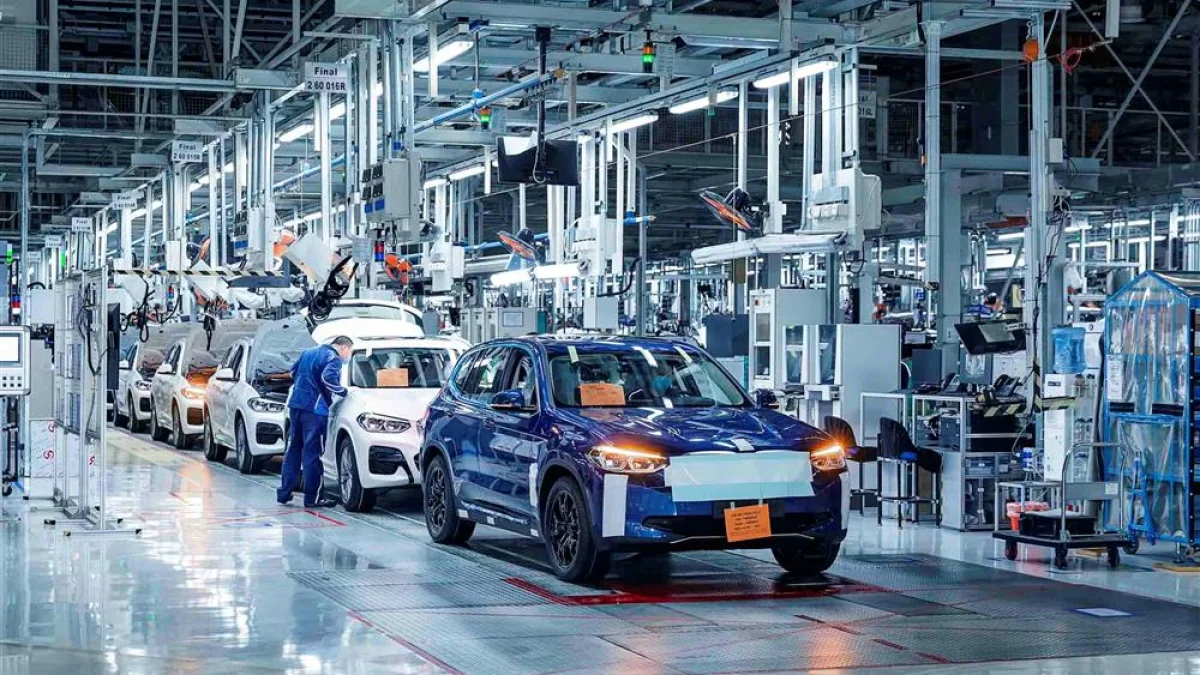
Khaled Saad: 'Made in Egypt' is the Key for Chinese Companies to Access Global Markets
Khaled Saad, Secretary General of the Automobile Manufacturers Association, confirmed that Chinese companies setting up factories in Egypt achieves mutual benefits for both parties. Companies gain from Egypt's strategic location and trade agreements for export purposes, while Egypt benefits from increased local value added and job creation. These remarks come amid growing economic cooperation, marked by over 20 cooperation documents signed during the recent Chinese president's visit.
Khaled Saad, Secretary General of the Automobile Manufacturers Association, stated that the trend of Chinese companies establishing factories within Egypt could create mutual gains for both sides, especially with the potential to use the Egyptian market as a production and export hub for several foreign markets. Saad explained that a company producing locally benefits from the country's geographical location and its trade agreements with various nations and blocs, while Egypt gains new investments, job opportunities, and increased industrial activity.
Local Added Value and the Role of Supporting Industries
Saad added that transforming part of Chinese products into goods manufactured inside Egypt raises local added value, particularly when coupled with the use of local components and the operation of Egyptian factories and feeder industries, instead of limiting the relationship to importing the final product for sale. He pointed out that export is a vital element in the industrial investment equation; a factory serving both the domestic market and foreign markets simultaneously possesses greater opportunities to increase production volume and achieve the economic feasibility required for continued expansion.
Growing Investment Cooperation Between Cairo and Beijing
This vision comes amid increasing interest from Chinese companies in direct investment in Egypt. The General Authority for Investment and Free Zones recently confirmed continued efforts to strengthen the Egyptian-Chinese investment partnership and encourage more Chinese companies to enter the market. The recent visit of Chinese President Xi Jinping witnessed the signing of over 20 cooperation documents, including a memorandum of understanding between the General Authority for the Suez Canal Economic Zone and the Chinese Ministry of Commerce, signaling the expanding scope of economic and industrial cooperation.
A local factory is no longer just an assembly line. It serves as a gateway to the entire region's markets, especially with the free trade agreements signed with African, Arab, and European nations. This is what makes localizing Egypt's automotive industry more attractive to Chinese investments seeking cost-effective export platforms close to target markets.
Frequently Asked Questions
3 questions answered
Related News
View All News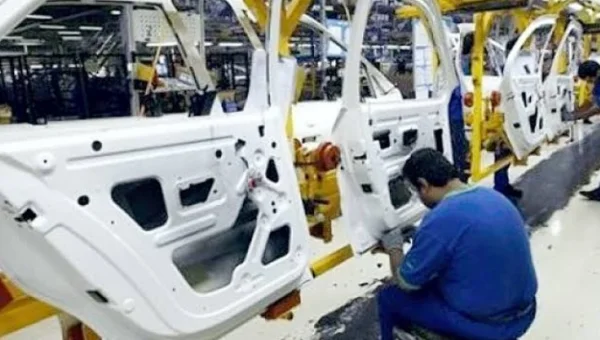
Egypt in Talks with Global Firms to Localize Automotive Stamping Dies Production
The Egyptian government is in talks with international companies specializing in automotive feeder industries to localize stamping die manufacturing inside Egypt. The move aims to attract investment and advanced technology…
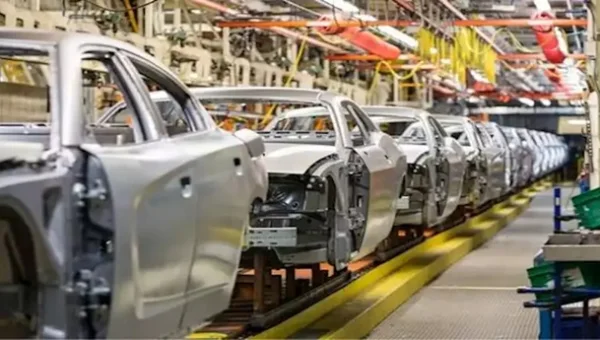
Billions in Write-Offs and Restructuring: Legacy Automakers Face Their Toughest Test in Decades
The traditional auto industry is facing its toughest test in decades as global automakers recorded around $55 billion in write-offs tied to EV plans. Stellantis alone absorbed 22.2 billion euros…
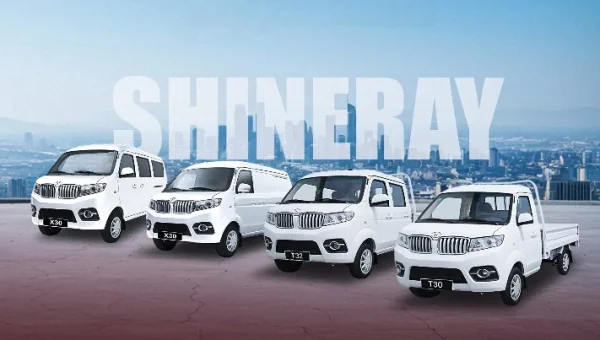
Shineray Captures 57% of Van Sales in Egypt in First 7 Months
Shineray captured 57% of Egypt's minivan sales in the first seven months of 2026, selling 682 units. Suzuki came second with a 43% share and 505 vehicles. The data comes…
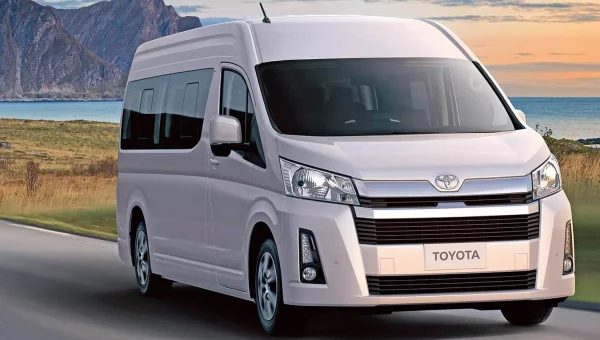
Toyota HiAce Dominates Egypt Tourist Microbus Sales with 85% Share in 7 Months
Toyota HiAce dominated Egypt's tourist microbus market with an 85% share in the first seven months of 2026, selling 885 units according to AMIC. Foton CS2 came second at 11%…
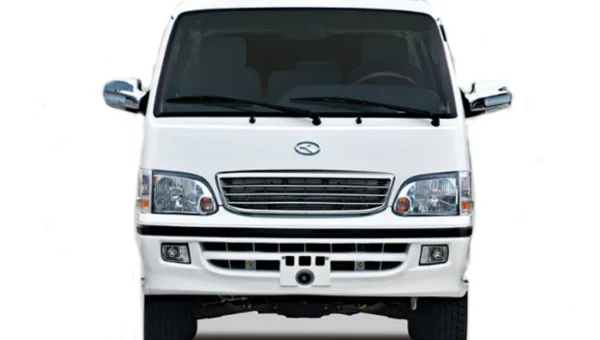
King Long Dominates Egypt Bus Sales in First 7 Months of 2026
King Long dominated Egypt's bus market in the first seven months of 2026 with a 30.9% share and 3,228 vehicles sold. Toyota came second at 18.5% with 1,938 units, followed…