
Local Assembly Sales Jump: 10,000 Extra Cars in 7 Months
Locally assembled vehicle sales in Egypt grew 18.9% in the first 7 months of 2026, reaching 62,794 units versus 52,797 in 2025. Total market sales rose 29.7% to 116,869 vehicles, while imported passenger cars grew faster at 44.9% to 54,075 units. Bus sales led all segments with 88% growth, followed by trucks at 30.7%.
Egypt's locally assembled vehicle sales hit 62,794 units in the first seven months of 2026, up from 52,797 units in the same period of 2025 — a increase of 9,997 vehicles and 18.9% growth, according to the Automotive Market Information Council (AMIC). The numbers are official.
Local Assembly Adds 10,000 Cars in 7 Months
That jump means nearly 10,000 extra vehicles from Nissan, Hyundai, and Chery rolled into Egyptian driveways during the first seven months of this year. The growth comes as the broader market continues to recover. But what does this mean for buyers?
Total market sales climbed 29.7% to 116,869 vehicles, up from 90,104 units in the same period last year. The data confirms that demand for new cars remains strong despite economic headwinds.
Imported Cars Grow Faster Than Locally Assembled
Imported passenger cars logged even bigger gains. Their sales jumped 44.9% to 54,075 units, compared to 37,307 vehicles in the first seven months of 2025. That means imports are growing faster than locally built Nissan Sunny and Hyundai Elantra. Competition is heating up on both fronts.
AMIC data points to parallel growth in both sides of the market — locally assembled and imported vehicles — with imports rising faster during the seven-month window. Which one do Egyptian buyers prefer? The answer depends on price and availability.
By segment, passenger car sales rose 25% to 87,140 units, up from 69,793 units in the same period last year. Kia and Toyota are capitalizing on the rebound with fresh model launches.
Bus sales surged 88% to 10,449 units, compared to 5,557 units. Public transport is bouncing back. Meanwhile, truck sales grew 30.7% to 19,280 vehicles, up from 14,754 units in the comparison period. Mitsubishi leads light commercial vehicle sales in Egypt.
What's Next?
Sustained local assembly growth means more investment in Nissan and Hyundai plants, cheaper spare parts, and better after-sales service. Yet competition from imports could push prices down for buyers. The key figure: 116,869 total vehicles. That signals a gradual — not full — recovery.
Frequently Asked Questions
3 questions answered
Related News
View All News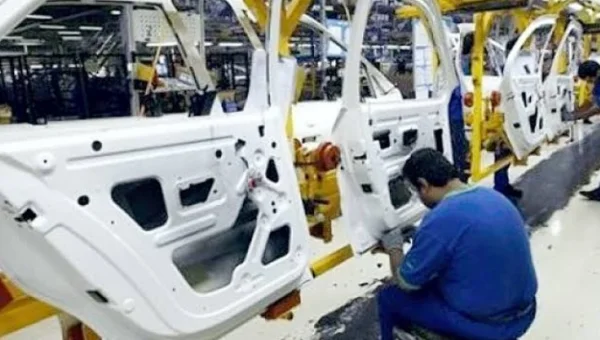
Egypt in Talks with Global Firms to Localize Automotive Stamping Dies Production
The Egyptian government is in talks with international companies specializing in automotive feeder industries to localize stamping die manufacturing inside Egypt. The move aims to attract investment and advanced technology…
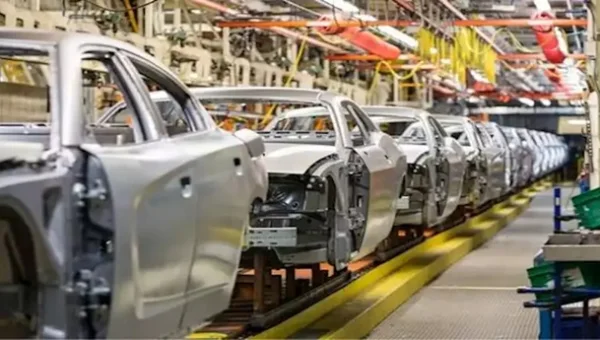
Billions in Write-Offs and Restructuring: Legacy Automakers Face Their Toughest Test in Decades
The traditional auto industry is facing its toughest test in decades as global automakers recorded around $55 billion in write-offs tied to EV plans. Stellantis alone absorbed 22.2 billion euros…
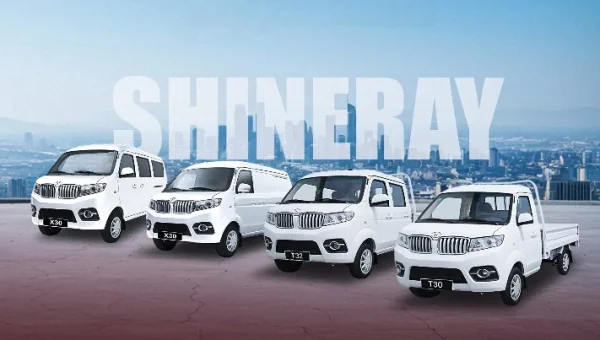
Shineray Captures 57% of Van Sales in Egypt in First 7 Months
Shineray captured 57% of Egypt's minivan sales in the first seven months of 2026, selling 682 units. Suzuki came second with a 43% share and 505 vehicles. The data comes…
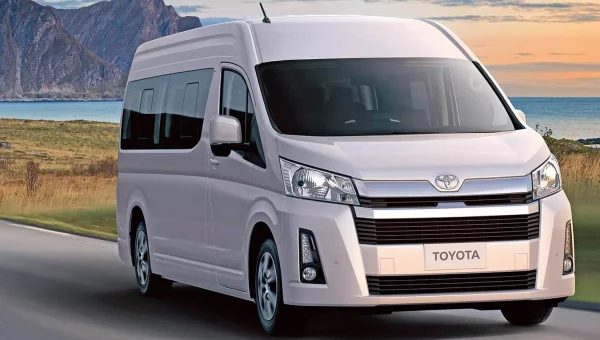
Toyota HiAce Dominates Egypt Tourist Microbus Sales with 85% Share in 7 Months
Toyota HiAce dominated Egypt's tourist microbus market with an 85% share in the first seven months of 2026, selling 885 units according to AMIC. Foton CS2 came second at 11%…
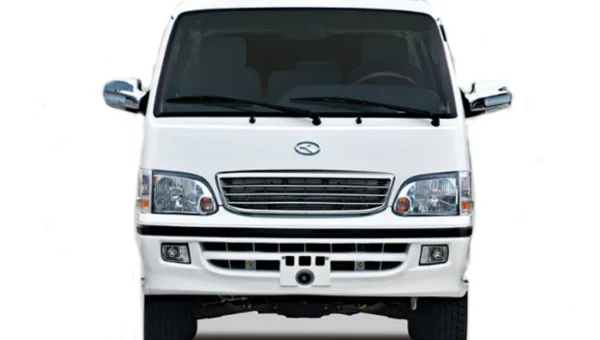
King Long Dominates Egypt Bus Sales in First 7 Months of 2026
King Long dominated Egypt's bus market in the first seven months of 2026 with a 30.9% share and 3,228 vehicles sold. Toyota came second at 18.5% with 1,938 units, followed…