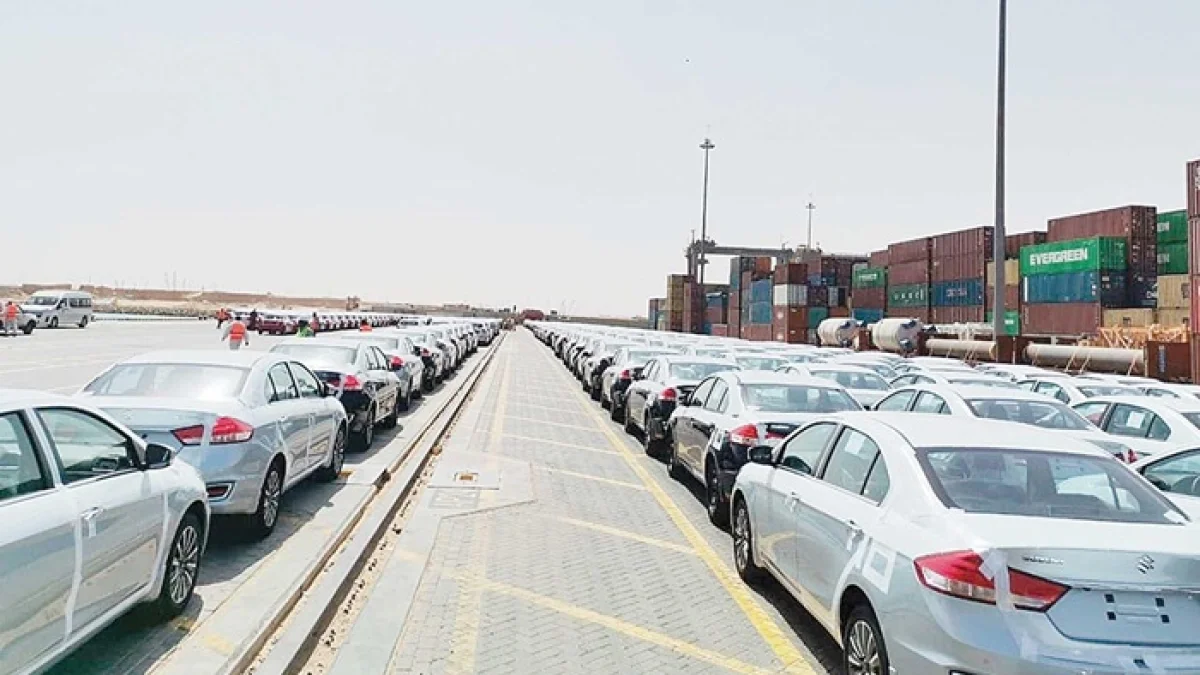
Expert: Supply Chain Crises Since 2020 Revealed China's Superiority in Auto Industry
Eng. Raafat Masrouga, a sales and marketing expert, confirmed that the global auto industry has undergone a radical shift since 2020 due to supply chain crises, with China emerging as a dominant force in manufacturing components and electric vehicles. Europe was oblivious to this gradual shift, making competition in 2025 harder for European manufacturers. China's control over supply chains and technologies has given it an advanced position that is currently difficult to overcome.
No one saw it coming. Since 2020, the global automotive industry has undergone a seismic shift, with China emerging as the dominant force in supply chains and manufacturing components, while Europe struggles to keep pace in the electric vehicle race. This is according to Eng. Raafat Masrouga, sales and marketing expert, speaking on the 'Arabity' program on Radio Egypt.
Europe Caught Off Guard as China Pulls the Rug
The competition was never fair. While European factories stumbled over semiconductor shortages and shipping disruptions, Chinese automakers like BYD and others ramped up production and expanded their tech portfolios. Masrouga says Europe was oblivious as China gradually pulled the rug from under European manufacturers, given China's control over a large share of manufacturing components and supply chains.
The numbers tell the story. China now controls over 70% of global lithium-ion battery production and holds massive shares in electronics and EV manufacturing. This dominance wasn't accidental; it was built on proactive investments in technology, mining. Manufacturing, while Europe bet on its traditional strength in internal combustion engines.
2025: The Year of Reckoning in the EV Race
By 2025, the picture became clearer. Chinese EVs like the BYD Seagull and Tesla Model Y are asserting themselves in European markets with competitive prices and advanced tech. European manufacturers find themselves in a bind: catch up or lose valuable market share. Masrouga explains that China's production and technological strength in EVs has made competition for European manufacturers tougher than ever.
The shift isn't limited to EVs. The entire supply chain is now under Chinese control, from battery cells to semiconductors and electric motors. This means any European factory wanting to produce an EV must either deal with Chinese suppliers or compete against them. A tough equation, but a reality imposed by successive crises that started with COVID and haven't ended.
The question now: Can Europe reclaim its position in the auto industry? The answer depends on its ability to build independent supply chains and develop competitive battery technologies. Until then, China remains ahead, and European manufacturers are in a frantic race to catch up.
Frequently Asked Questions
3 questions answered
Related News
View All News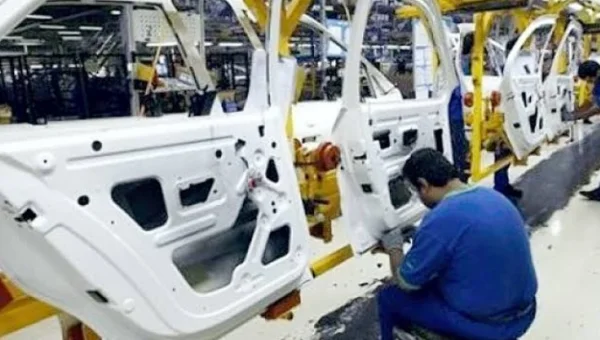
Egypt in Talks with Global Firms to Localize Automotive Stamping Dies Production
The Egyptian government is in talks with international companies specializing in automotive feeder industries to localize stamping die manufacturing inside Egypt. The move aims to attract investment and advanced technology…
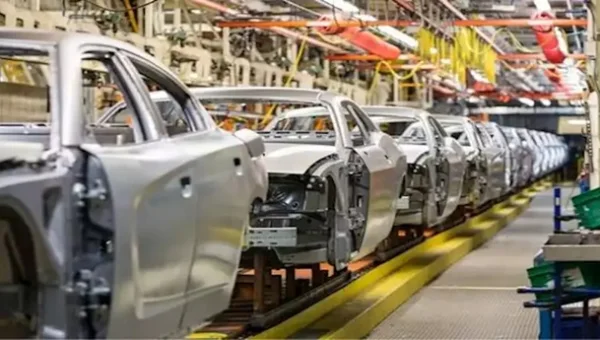
Billions in Write-Offs and Restructuring: Legacy Automakers Face Their Toughest Test in Decades
The traditional auto industry is facing its toughest test in decades as global automakers recorded around $55 billion in write-offs tied to EV plans. Stellantis alone absorbed 22.2 billion euros…
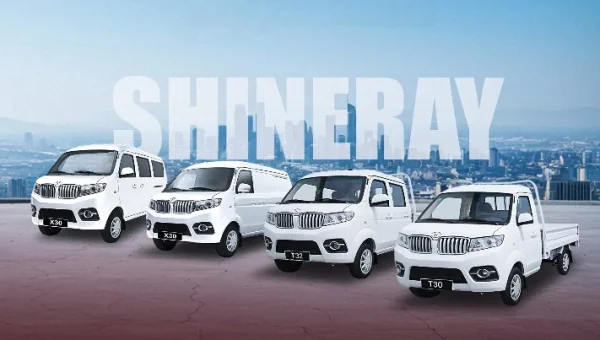
Shineray Captures 57% of Van Sales in Egypt in First 7 Months
Shineray captured 57% of Egypt's minivan sales in the first seven months of 2026, selling 682 units. Suzuki came second with a 43% share and 505 vehicles. The data comes…
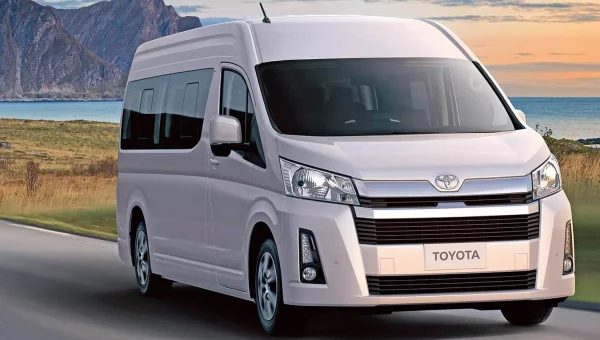
Toyota HiAce Dominates Egypt Tourist Microbus Sales with 85% Share in 7 Months
Toyota HiAce dominated Egypt's tourist microbus market with an 85% share in the first seven months of 2026, selling 885 units according to AMIC. Foton CS2 came second at 11%…
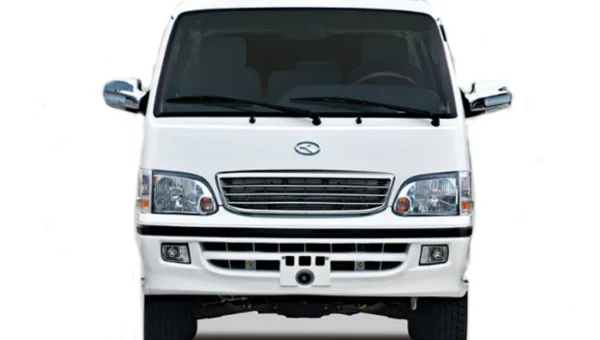
King Long Dominates Egypt Bus Sales in First 7 Months of 2026
King Long dominated Egypt's bus market in the first seven months of 2026 with a 30.9% share and 3,228 vehicles sold. Toyota came second at 18.5% with 1,938 units, followed…