Why Are Fleets Jumping to 2027 Models? Transport Sector Sees 65% Share for Latest Models
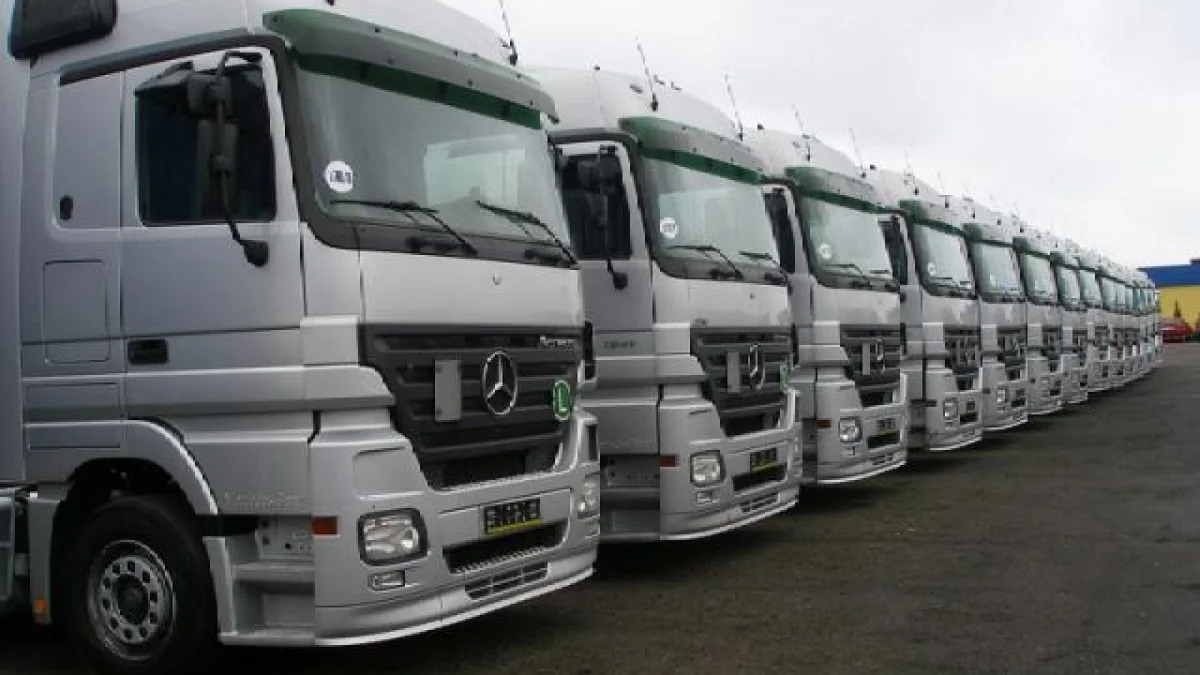
The Egyptian automotive market witnessed a remarkable shift in the commercial transport sector during June 2026, with 2027 model-year vehicles accounting for over 65% of total monthly registrations. According to official data, 2,259 transport vehicles from the 2027 model year were registered, compared to just 919 units of the 2026 model, 157 units of 2025, and 64 units of 2024. This distribution signals a clear preference among logistics companies and fleet operators for the newest available models, despite the availability of older, likely cheaper, alternatives.
Transport Sector Grows 35% in June
Data released by the Egyptian Compulsory Vehicle Insurance Pool revealed a significant surge in transport vehicle registrations during June 2026. The total number of registered transport vehicles reached 3,430 units, up from 2,387 in May, marking a month-over-month growth rate of 35.15%. This positive performance underscores sustained strong demand from commercial, service, and logistics activities, alongside a strategic shift by companies to modernize their fleets with newer models to improve operational efficiency and reduce long-term maintenance costs.
Chevrolet Dominates the Transport Segment
Chevrolet topped the list of brands registered in the transport sector during June, with a commanding total of 2,396 vehicles, far ahead of its nearest competitors. Toyota came in second with 146 vehicles, followed by Mercedes with 103, Mitsubishi with 93, and Nissan with 59. These figures reaffirm Chevrolet's dominance in the Egyptian commercial transport segment, while other major players maintain a noticeable but distant presence in the market.
Why Fleets Prefer the Latest Models
The clear preference for 2027 models over the previous year's versions raises questions about the decision-making logic within fleet management. Industry experts suggest that extended warranties, improved fuel efficiency, lower maintenance requirements, and higher residual values are likely the driving factors behind this trend. By opting for the latest model year, fleet operators can maximize uptime, minimize unexpected repair costs, and potentially command better resale prices when the vehicles are eventually replaced, making the upfront investment worthwhile despite the availability of slightly older, more affordable inventory.
The transport sector's strong performance was part of a broader recovery wave in Egypt's overall vehicle market. Total new (zero-kilometer) vehicle registrations reached 70,497 units in June, up from 56,141 in May, representing a growth rate of 25.58%. The transport segment, however, outpaced the broader market by a significant margin, confirming its role as a key driver of the ongoing recovery in the Egyptian automotive sector, fueled by robust institutional demand and fleet modernization programs.
Related News
View All News
Passenger Cars Drive Egyptian Market Growth in 2026.. Nissan Leads
Passenger car sales in Egypt rose 22% in the first eight months of 2026 to 101,492 units. Nissan led the market with 16,616 vehicles, followed by MG and Chery. Changan…
Local Assembly Drives Truck Sales in Egypt Up 22.7% in 8 Months
Truck sales in Egypt rose 22.7% in the first eight months of 2026 to 21,852 units. Locally assembled trucks grew 16.1% to 18,719 vehicles, while imported trucks surged 85.4% to…
King Long Leads Egypt Bus Sales with 29.6% Share in First 8 Months
King Long led Egypt's bus market with a 29.6% share and 3,581 vehicles in the first eight months of 2026. Toyota came second at 18.6% with 2,251 units, followed by…
Toyota HiAce Dominates Egypt's Tourist Minibus Sales with 85% Share in 8 Months
Toyota HiAce commanded 85% of Egypt's tourist minibus segment in the first eight months of 2026, selling 1,022 units. Foton CS2 placed second with 134 vehicles and an 11% share,…
Local Assembly Drives Bus Sales in Egypt Up 78.5% Over 8 Months
Bus sales in Egypt reached 12,101 units in the first eight months of the year, up 78.5% from 6,781 vehicles last year. Locally assembled buses drove the growth, rising 73.5%…