Xi Jinping's Egypt Visit: Charting a New Industrial Era for the Auto Sector
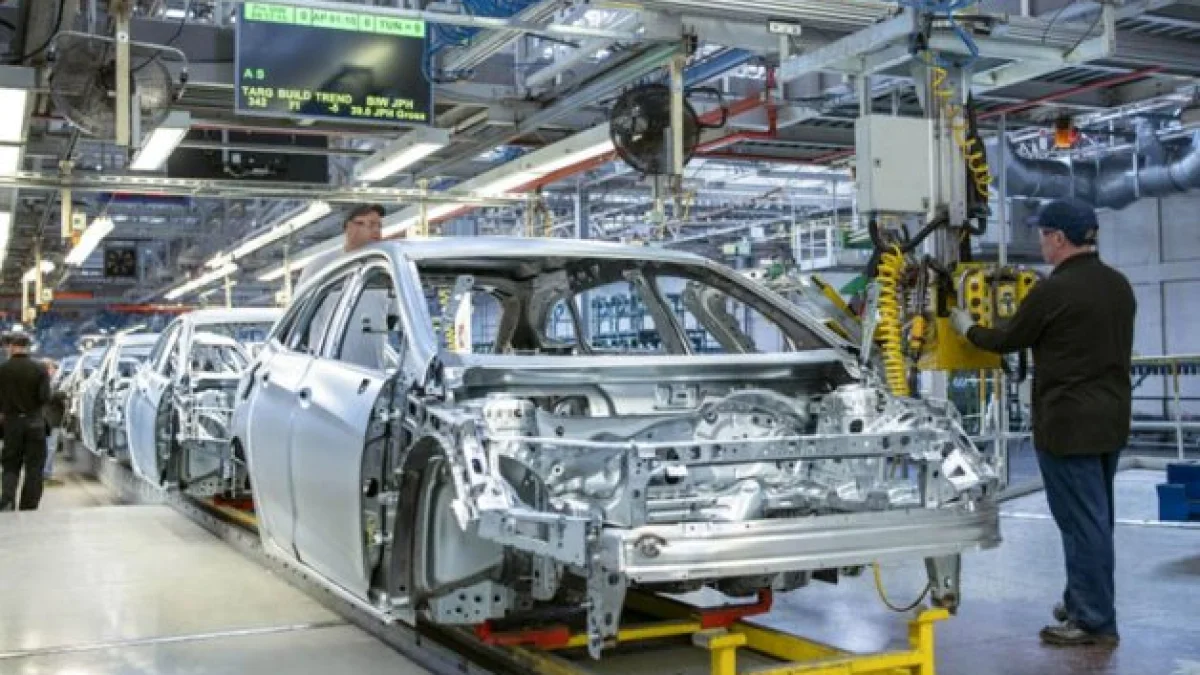
Chinese President Xi Jinping's visit to Egypt marks a turning point in bilateral auto industry cooperation. Egypt is transitioning from a consumer market for Chinese brands to a regional production and export base. Expected expansions include vehicle assembly, component localization, and battery manufacturing. Chinese expertise in EVs and cleaner transport opens wide horizons for local manufacturing.
The official visit of Chinese President Xi Jinping to Cairo today marks a pivotal shift in Egypt-China automotive relations. The trip arrives after a full decade of successful penetration by Chinese brands like Chery, Geely, and BYD, setting the stage for a qualitative leap into local manufacturing.
Beyond Imports: A Shared Manufacturing Ambition
The real number here isn't the volume of Chinese cars sold in Egypt — it's the strategic transformation of the relationship itself. Cairo has outgrown its role as merely a consumer market, evolving into a potential industrial partner with expectations of new assembly plants and local component production.
Chinese expertise spans conventional, electric, and hybrid vehicles, with particular strength in batteries, electric drivetrains, and software. Egypt offers a massive consumer base, while Chinese firms bring the technology; this intersection creates fertile ground for cooperation extending far beyond simple sales transactions.
Egypt as a Regional Gateway for Chinese Auto Manufacturing
Egypt's strategic location gives it a serious advantage in the industrial investment equation. Access to Arab and African markets through preferential trade agreements makes the country an ideal hub for both Chinese exports and locally manufactured vehicles under license. Chinese companies need a production base close to emerging markets. Egypt provides that base with competitive operating costs and established logistics infrastructure.
Moving into local manufacturing isn't just about assembling complete cars — it extends to localizing the components industry, the true backbone of any real automotive sector. The experiences of Turkey and Morocco demonstrate how a strong local components base attracts massive investment and creates thousands of direct and indirect jobs; Egypt's component industry stands to grow rapidly as Chinese investment flows in.
Electric Vehicles: The Widest Field for Cooperation
The global shift toward EVs opens a golden window for Egypt-China collaboration. China dominates much of the global EV supply chain, from raw material extraction to advanced battery production. Egypt can leverage this expertise to build a domestic electric vehicle industry. This path supports clean transportation goals while creating new export opportunities to regional markets with growing demand for electric mobility.
Expectations point to notable Chinese direct investment expansions in the coming phase, particularly in the Suez Canal Economic Zone. These investments won't be limited to cars alone, but will include complete feeder industries — gradually transforming Egypt from an importer into a regional producer and exporter of automobiles. Xi Jinping's visit carries multiple economic and political messages, yet the clearest signal for the automotive industry is this: after years of commercial success, the time for deep industrial cooperation has finally arrived.
Frequently Asked Questions
3 questions answered
Related News
View All News
Burning Too Much Fuel? 6 Practical Steps to Cut Your Gas Bill Now
High fuel consumption can be reduced through simple, practical steps that require no expensive modifications. Setting tire pressure to manufacturer recommendations cuts rolling resistance and improves fuel efficiency. Calm driving…
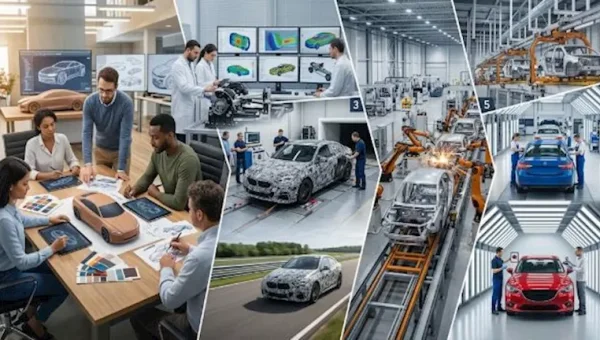
From Sketches to Assembly Lines: How a New Car Is Born
Every new car goes through a long journey starting with target segment definition and initial exterior and interior design concepts. These concepts become 3D digital models, and prototypes are built…
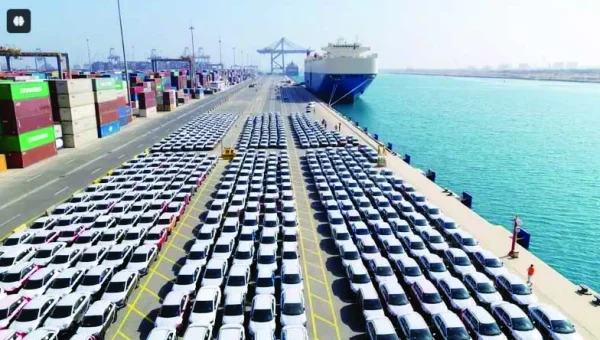
Egypt's Vehicle Imports Drop 13.3% in July
Egypt's passenger car imports declined to $285.2 million in July, a 13.3% drop. Auto parts fell 22.2%, tractors 7.8%, and goods vehicles 9.9%. Meanwhile, bus and minibus imports rose 72.2%…

Which Cars Does Uber Accept? Surprising Requirements and Excluded Models
Uber enforces strict requirements for vehicles on its platform, including a maximum age of 15 years, four working doors, and seatbelts for five people. Commercial ads and modifications to seats…
Skoda Tops European Car Registrations in Egypt for September with 655 Vehicles
Skoda led European car registrations in Egypt for September with 655 vehicles, according to the Egyptian Compulsory Vehicle Insurance Pool report. Mercedes followed closely in second with 642 cars, just…