How China Is Surrounding the European Auto Industry From Within
Chinese companies are targeting the European automotive industry from within by investing in more than 130 parts suppliers across Germany and France. Geely's $1.8 billion acquisition of Volvo exemplifies this strategic shift from competitor to industry insider. German brands face mounting pressure in China as Xiaomi's sales surged past 80,000 units while Mercedes sold just 1,153 electric CLA models. Software and smart-car technology have become the decisive factors in Chinese purchasing decisions.
Chinese companies have poured investments into more than 130 European auto parts manufacturers. That single figure reveals a strategy far deeper than simply exporting finished cars to Western showrooms. The new battleground is inside Europe's own supply chain, where Chinese capital is quietly building positions that could reshape the entire industry's power structure.
The Supplier Acquisition Strategy
Chinese firms are expanding their influence across European vehicle supply chains, with the bulk of investments concentrated in key industrial hubs across Germany and France. According to a report by the Financial Times, citing the Rhodium Group consultancy, most of these investments target the very heart of European manufacturing. The goal is straightforward: become an indispensable partner before emerging as a direct rival.
The acquisition of Swedish Volvo by Chinese giant Geely for $1.8 billion stands as the clearest example of this playbook. That single move shifted Chinese companies from competing on showroom prices to holding genuine influence inside Europe's most storied automotive names. The Chinese are no longer playing on the margins; they now sit at the decision-making table.
The Software Challenge in the World's Biggest Car Market
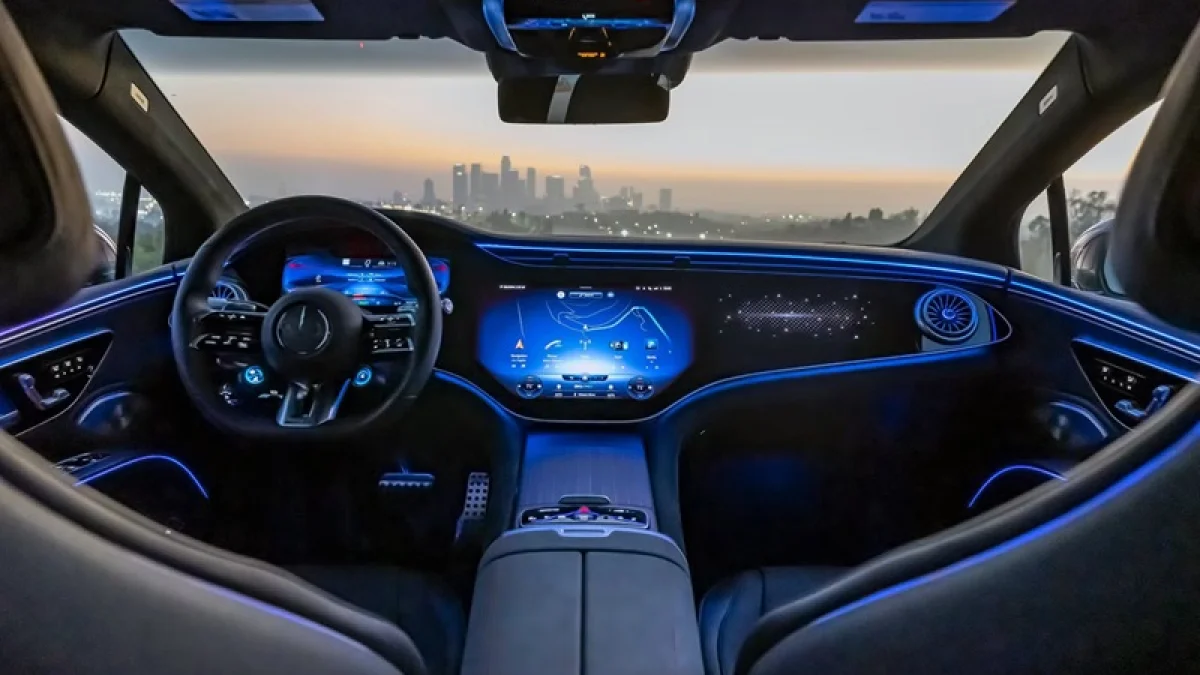
German automakers face a different kind of pressure inside China, the world's largest vehicle market. The modern Chinese consumer demands a fully integrated digital experience, where cutting-edge software, artificial intelligence. Smart-car features outweigh traditional virtues. Engine power alone no longer wins buyers. Premium leather interiors simply can't compete with a seamless user interface.
According to a Bloomberg report cited by Al Arabiya, Mercedes-Benz, BMW, Volkswagen, and Porsche all face mounting pressure as buyers pivot toward smart vehicles offering advanced digital experiences. Sales figures for the electric Mercedes CLA highlight the widening gap, with just 1,153 units sold over six months despite a targeted marketing push aimed directly at Chinese youth.
The comparison here is absolutely stark. During that same period, Xiaomi moved more than 80,000 vehicles, operating within a similar price segment and chasing the same audience. Such a dramatic disparity signals a fundamental shift in how Chinese car buyers evaluate products, placing software firmly above hardware — a warning European manufacturers must heed as they plan their next generation of vehicles.
Frequently Asked Questions
3 questions answered
Related News
View All News
Local Assembly Drives Bus Sales in Egypt Up 78.5% Over 8 Months
Bus sales in Egypt reached 12,101 units in the first eight months of the year, up 78.5% from 6,781 vehicles last year. Locally assembled buses drove the growth, rising 73.5%…
Chery Dominates Egypt's Locally Assembled Car Sales in August with 34% Share
Chery led Egypt's locally assembled car sales in August with a 34% market share and 1,470 vehicles. Nissan came second at 20% with 872 cars, followed by Hyundai at 14%…
Chery Leads Egypt's August Car Market with 17% Share and 3,168 Units
Chery topped Egypt's best-selling automotive brand list in August with a 17% market share and 3,168 vehicles sold. Chevrolet came second with 13% and 2,468 cars, while Chery followed in…
Nissan Tops Egypt's Car Sales Charts for First 8 Months with 16.4% Share
Nissan topped Egypt's car sales rankings in the first eight months of 2026 with a 16.4% market share and approximately 16,616 vehicles, per AMIC data. MG came second at 14.1%…

Egypt's Car Dealers Chief Slams 'Mood-Based Pricing' in Used Car Market
Osama Abou El-Magd, head of Egypt's Car Dealers Association, says used car pricing has become exaggerated, with owners quoting figures that ignore current market dynamics. He noted that higher new…