


Up to EGP 50,000 per Car: 4 Incentives Driving Egypt's Auto Industry into a New Growth Phase
The Egyptian state continues to implement its ambitious plan to deepen the local automotive industry through a comprehensive incentive package aimed at boosting production, increasing the local content ratio, and attracting more investments. These efforts are part of the Egypt 2030 strategy, which seeks to enhance the competitiveness of the national industry and propel the automotive sector into a new phase of sustainable growth.
Details of the National Automotive Industry Development Program
Engineer Alaa Salah El-Din, head of the Automotive Industry Unit at the Ministry of Industry, confirmed that the government began implementing the National Automotive Industry Development Program in July 2025. During his media interview, he stated that three major companies have already joined the program, producing about five different models. He noted that these companies have already started receiving the incentives due for the previous period, reflecting the seriousness of implementation and its positive impact on the market.
Four Key Incentives to Drive Production and Investment
The program includes four main incentives. First, the local added value incentive, starting at 30%, encourages manufacturers to deepen local production. Second, the quantitative production incentive begins with the production of 10,000 cars, motivating companies to increase output. Third, the investment increase incentive starts from $4 million and scales according to the investment volume, helping attract new capital to the sector.
Environmental Compliance Incentive Offers Highest Support
The environmental compliance incentive is the largest within the program, with support reaching up to EGP 40,000 to 50,000 per car. This incentive targets vehicles compliant with Euro 4 and Euro 5 standards, as well as those running on natural gas and electricity. The aim is to encourage companies to expand the production of eco-friendly vehicles, thereby enhancing the competitiveness of the automotive industry in the Egyptian market and driving toward a more sustainable future.
Impact of Incentives on the Local Market
These incentives are expected to reshape Egypt's automotive industry landscape by stimulating local and foreign investment, increasing local manufacturing ratios, and expanding the production base. The focus on eco-friendly vehicles aligns with global trends toward clean energy, positioning Egypt at an advanced spot on the regional automotive map. As the program continues, observers anticipate further participation from manufacturers, strengthening growth prospects in this vital sector.
Related News
View All News
Passenger Cars Drive Egyptian Market Growth in 2026.. Nissan Leads
Passenger car sales in Egypt rose 22% in the first eight months of 2026 to 101,492 units. Nissan led the market with 16,616 vehicles, followed by MG and Chery. Changan…
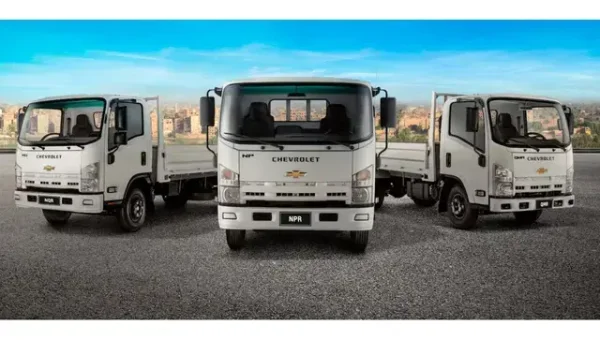
Local Assembly Drives Truck Sales in Egypt Up 22.7% in 8 Months
Truck sales in Egypt rose 22.7% in the first eight months of 2026 to 21,852 units. Locally assembled trucks grew 16.1% to 18,719 vehicles, while imported trucks surged 85.4% to…
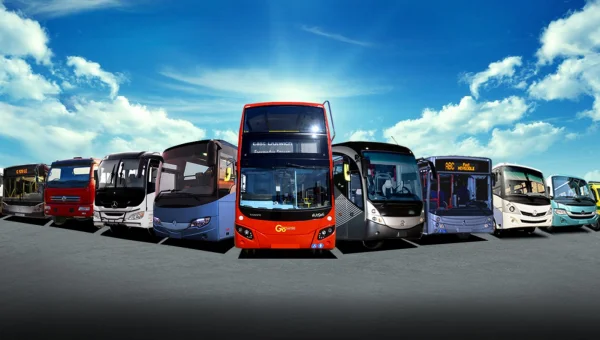
King Long Leads Egypt Bus Sales with 29.6% Share in First 8 Months
King Long led Egypt's bus market with a 29.6% share and 3,581 vehicles in the first eight months of 2026. Toyota came second at 18.6% with 2,251 units, followed by…
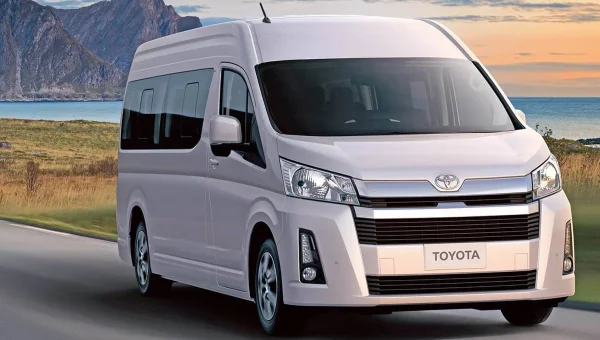
Toyota HiAce Dominates Egypt's Tourist Minibus Sales with 85% Share in 8 Months
Toyota HiAce commanded 85% of Egypt's tourist minibus segment in the first eight months of 2026, selling 1,022 units. Foton CS2 placed second with 134 vehicles and an 11% share,…
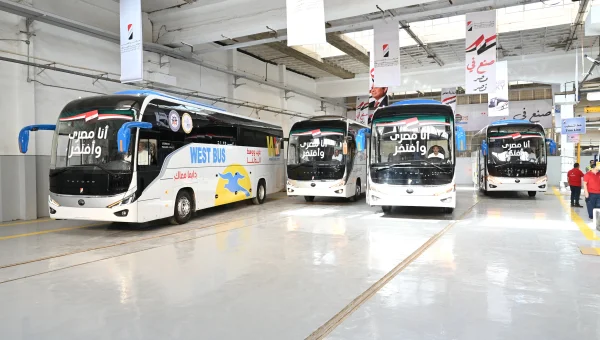
Local Assembly Drives Bus Sales in Egypt Up 78.5% Over 8 Months
Bus sales in Egypt reached 12,101 units in the first eight months of the year, up 78.5% from 6,781 vehicles last year. Locally assembled buses drove the growth, rising 73.5%…

