


Egypt's Auto Industry Challenges: Widening Gap with Morocco and South Africa
A recent study by the Egyptian Center for Economic Studies has revealed a significant performance gap between Egypt's automotive industry and its counterparts in Morocco and South Africa. Egyptian car exports reached only $257.5 million in 2025, compared to Morocco's $6.4 billion and South Africa's $15 billion. These figures highlight the limited integration of the Egyptian industry into global value chains and its weak regional competitiveness.
Radical Shift in Industrial Philosophy
The study emphasizes that building a competitive automotive industry in Egypt requires a fundamental shift in industrial philosophy, moving from an assembly model focused on the local market to an export-oriented production model. It recommends attracting a major global manufacturer to establish Egypt as an export production base, while developing an integrated industrial ecosystem around it that includes local suppliers, training centers, and research and development facilities.
Electric Vehicles as a Historic Opportunity
According to the study, electric vehicles represent a historic opportunity for Egypt to enter new global value chains before the world production map stabilizes permanently. It also stresses the importance of attracting global companies operating in the feeder industries, and encouraging specialization in producing a limited number of models or components with a competitive advantage for easier export to regional and global markets.
Car Ownership Rates in Egypt
Despite Egypt's population exceeding 100 million, car ownership rates remain among the lowest in comparable countries, with only 64 cars per 1,000 citizens, compared to 112 cars in Morocco and 176 cars in South Africa. The study views this paradox as revealing a key structural imbalance in the sector, where the large population does not translate into effective demand in the car market, limiting companies' ability to expand and achieve the economies of scale necessary for the industry.
Fragmented Local Production
The study indicated that the local industry suffers from clear production fragmentation, with around 15 companies operating in car assembly in Egypt, a relatively high number compared to actual production volume. This fragmentation weakens companies' ability to achieve optimal resource utilization and invest in modern technology, hindering Egypt's transformation into a regional automotive hub despite years of discussions around localizing the industry and attracting global investments.
Related News
View All News
Passenger Cars Drive Egyptian Market Growth in 2026.. Nissan Leads
Passenger car sales in Egypt rose 22% in the first eight months of 2026 to 101,492 units. Nissan led the market with 16,616 vehicles, followed by MG and Chery. Changan…
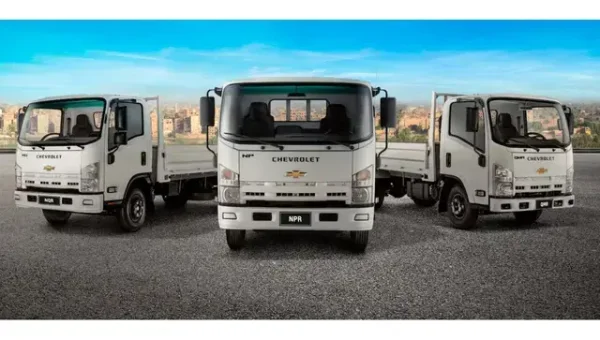
Local Assembly Drives Truck Sales in Egypt Up 22.7% in 8 Months
Truck sales in Egypt rose 22.7% in the first eight months of 2026 to 21,852 units. Locally assembled trucks grew 16.1% to 18,719 vehicles, while imported trucks surged 85.4% to…
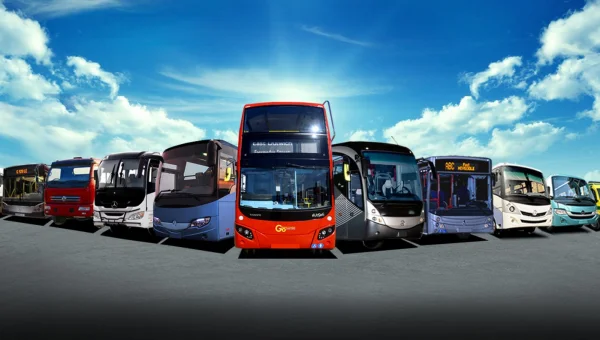
King Long Leads Egypt Bus Sales with 29.6% Share in First 8 Months
King Long led Egypt's bus market with a 29.6% share and 3,581 vehicles in the first eight months of 2026. Toyota came second at 18.6% with 2,251 units, followed by…
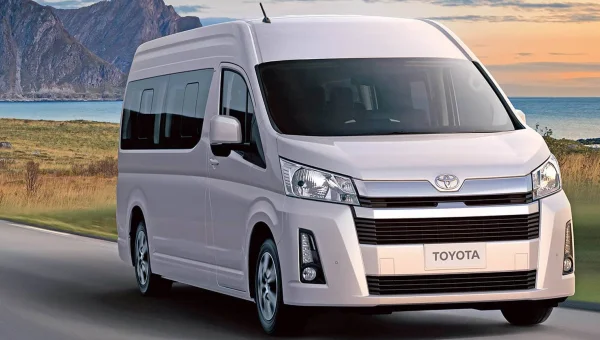
Toyota HiAce Dominates Egypt's Tourist Minibus Sales with 85% Share in 8 Months
Toyota HiAce commanded 85% of Egypt's tourist minibus segment in the first eight months of 2026, selling 1,022 units. Foton CS2 placed second with 134 vehicles and an 11% share,…
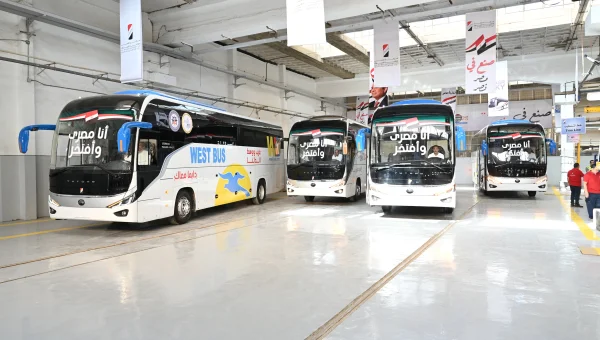
Local Assembly Drives Bus Sales in Egypt Up 78.5% Over 8 Months
Bus sales in Egypt reached 12,101 units in the first eight months of the year, up 78.5% from 6,781 vehicles last year. Locally assembled buses drove the growth, rising 73.5%…

