Service Centers: China’s New Weapon to Dominate Egypt’s Auto Market
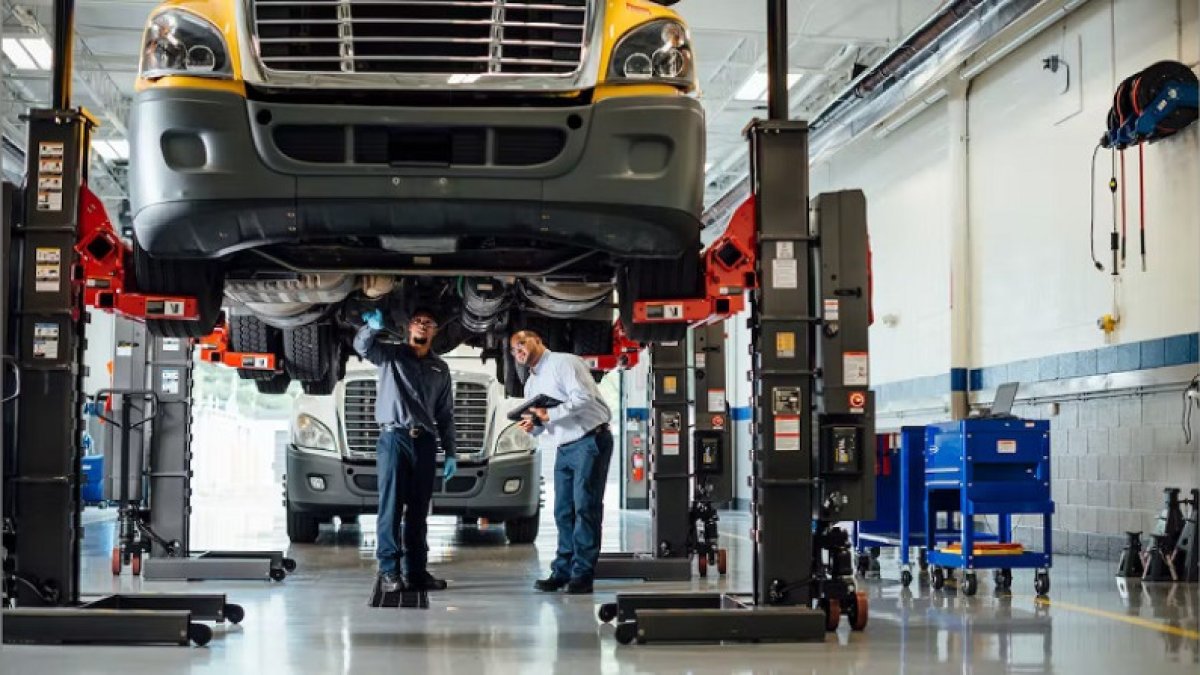
Competition in the Egyptian auto market is no longer limited to pricing or new model launches. It has shifted decisively toward after-sales services. While global brands race to capture larger market shares, Chinese automakers are fighting a different battle—building strong influence through rapid expansion of service centers, technical support networks, and spare parts availability.
A Strategic Shift in Competition
Market experts say competition among brands has entered a new phase, distinct from previous years. They note that the conflict no longer hinges on introducing new models or offering competitive prices. Instead, it now relies primarily on the strength of after-sales service networks, the spread of maintenance centers, and the availability of spare parts.
Massive Chinese Investment in Service Infrastructure
Experts confirm that Chinese automakers and their agents in Egypt have realized that retaining customers is just as important as attracting them. As a result, they have begun pouring significant investments into expanding service infrastructure. This move, they say, is one of the key drivers behind the rapid growth of Chinese brands in the Egyptian market.
A More Informed Egyptian Consumer
They also point out that Egyptian consumers have become far more discerning when making purchasing decisions. Technical specifications and price are no longer the sole deciding factors. The quality of after-sales service, the speed of spare parts availability, and the spread of service centers have become critical elements influencing customer choice.
Unprecedented Expansion Plans
According to experts, several Chinese brands have already begun implementing unprecedented expansion plans in the service sector. For instance, Manist, the official agent for the Chinese brand Sawayest, has successfully launched seven integrated service centers within a short period of entering the market, with plans to increase that number in the coming months.
A Long-Term Strategy
They added that this approach reveals a clear strategy by Chinese companies: building a long-term presence in the Egyptian market rather than merely chasing quick sales. The experts emphasized that any brand’s future success will be tied to its ability to provide a strong, reliable service ecosystem.
Fierce Competition Ahead
Experts predict that the coming years will witness intense competition among all agents to strengthen their maintenance and technical support networks—especially given the steady increase in the number of Chinese cars on Egyptian roads and their spread across various price segments.
Related News
View All News
Beyond the Headlines: What Really Drives Engagement on Egyptian Auto Sites?
The report examines competition among auto sites in Egypt, noting that superiority depends on understanding local buyer needs for content combining price and running costs. Analyses show over 60% of…

Egypt's One-Billion-Pound Fund Revives Ailing Auto Factories
Egypt's Central Bank and Ministry of Industry have launched a one-billion-pound fund to restructure struggling factories and restore idle production capacity. The fund will take equity stakes, restructure debt, and…
Is Now the Right Time to Buy a New Car in Egypt? 6 Indicators That Decide
New car sales in Egypt rose 29.7% in the first seven months of 2026, reaching 116,869 vehicles, with passenger car sales up 25%. Overprice premiums have declined on several models…
Egyptian Car Market 2025: Challenges and Opportunities
Egypt's car market in 2025 faces up to 15% price hikes for Toyota and Nissan, an 8% drop in new car sales, and growing demand for used cars. Electric and…
China Tops Global Auto Industry: From Imitation to Technological Leadership
China's auto industry has shifted from imitation to global leadership, driven by massive investments in electric vehicles and AI. Companies like BYD adopted self-integration in production, cutting costs and boosting…